


KUALA LUMPUR (Aug 18): The government has laid out 10 focus areas for upcoming Budget 2027, aiming at balancing measures to protect households from cost-of-living pressures, to raise Malaysia’s growth potential, strengthen resilience and improve public-sector delivery.
As the second budget under the 13th Malaysia Plan (13MP), Budget 2027 will be guided by the three priorities of raising the ceiling for national growth and the floor for living standards, while driving governance reform, according to the Ministry of Finance’s (MOF) Pre-Budget Statement 2027.
1. Targeted subsidies a shield from cost-of-living pressures
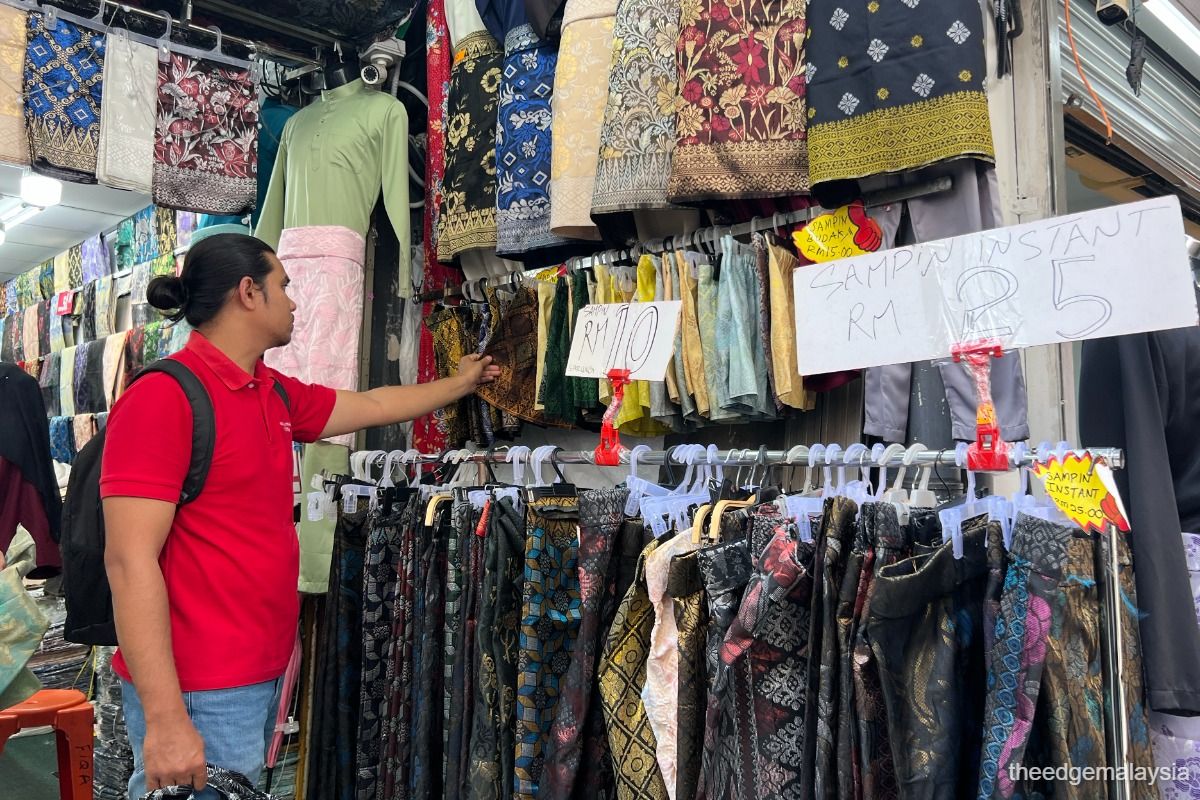
The government plans to further refine targeted subsidies and social assistance using data and clearer eligibility criteria, while conducting a broader assessment of household pressures covering food, housing, transport, healthcare, education and childcare, the MOF said.
Sumbangan Tunai Rahmah (STR), Sumbangan Asas Rahmah (Sara) and Budi Madani will continue to support vulnerable groups, alongside measures to stabilise essential-goods prices through enforcement, Jualan Rahmah Madani and supply management.
At the same time, it noted the government intends to raise incomes through progressive wages, high-skilled employment and community income-generation programmes, with fiscal savings from subsidy reforms to be channelled back into programmes that protect households and strengthen essential services.
2. Strengthening social protection
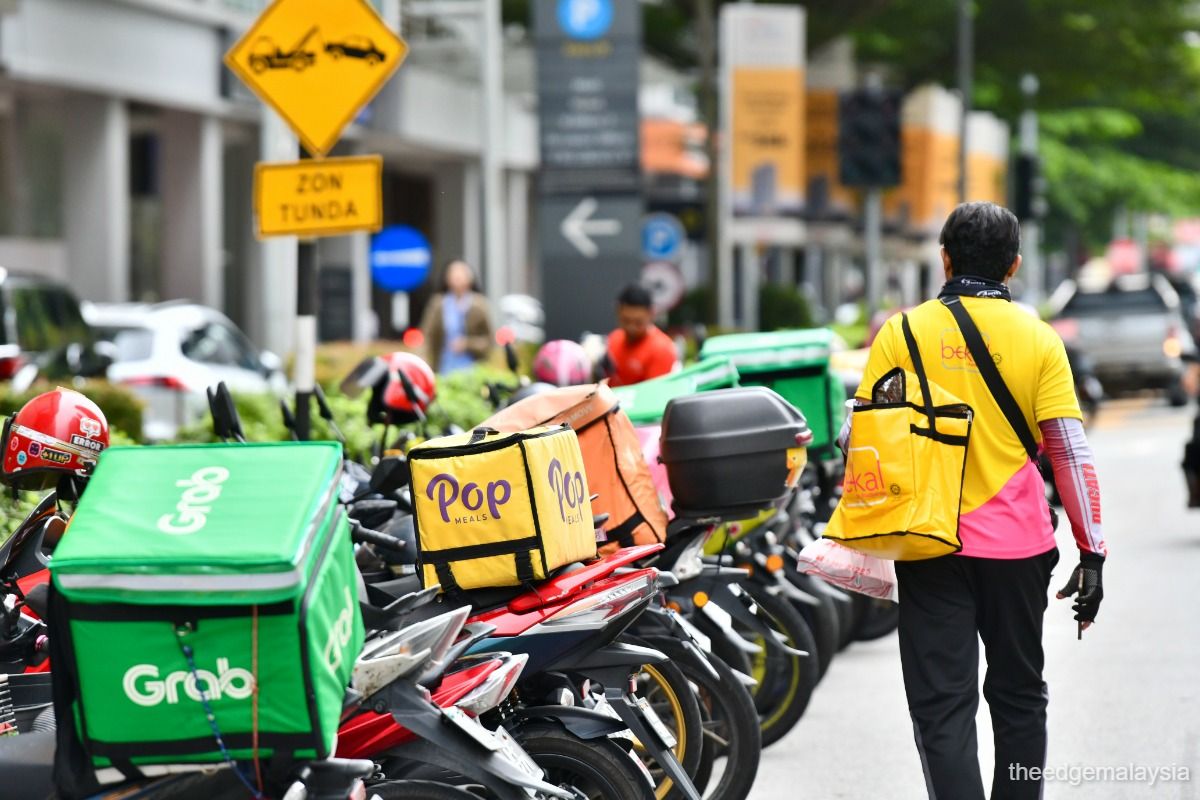
Budget 2027 will reassess the adequacy and sustainability of Malaysia’s social protection system, the MOF said, including coverage under the Employees Provident Fund (EPF), Social Security Organisation (Socso) and related schemes.
Greater protection is envisaged for informal workers, gig workers and other vulnerable groups, while preparations will be stepped up for an ageing population, with Malaysia expected to become an aged society — around 15% of the population aged 60 and above — by 2030.
The government also sees the care economy as a potential growth sector, the MOF said, with plans to expand long-term and community-based care, improve skills and service standards, and provide more comprehensive support for women, single parents, people with disabilities and households with caregiving responsibilities.
3. Reforming education, healthcare and essential services
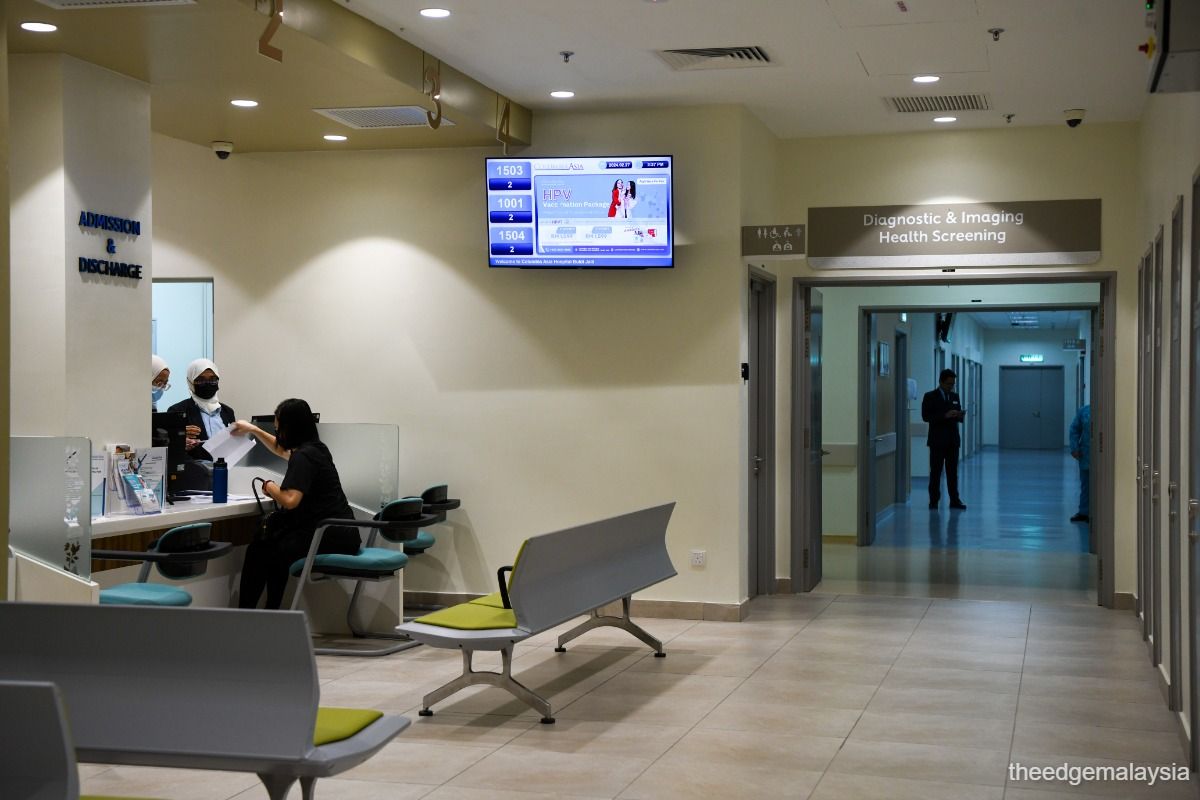
The MOF said Budget 2027 will continue to strengthen education, healthcare and public-service delivery to improve efficiency, accessibility and quality.
Education reforms will focus on TVET (literacy and numeracy, technical and vocational education and training), STEM (science, technology, engineering and mathematics), digital and artificial intelligence capabilities, language proficiency and character development, while efforts will continue to narrow regional and socioeconomic gaps.
In healthcare, priorities include expanding access to affordable services, easing congestion at public facilities, strengthening the health workforce and improving disease prevention.
4. Closing development gap

The government, via Budget 2027, aims to narrow regional development gaps by directing greater attention to Sabah, Sarawak, rural and interior areas, as well as communities lacking basic infrastructure, according to the MOF.
Development strategies are to be tailored to the economic strengths of individual states and regions. Community development will remain a priority via support for micro, small and medium enterprises (MSMEs), cooperatives, the social economy, youth, women and vulnerable groups.
The focus area also covers more affordable home-ownership and rentals, stronger public transport and improved urban liveability, with the government stressing that more equitable access to opportunities and public services is central to national unity.
5. Efficient spending maximising value for people
Fiscal resilience will remain a key consideration following the 2026 energy crisis, the MOF noted, as the government seeks to balance fiscal discipline against the need to support economic growth and public spending.
Budget 2027 will focus on improving subsidy management, raising spending efficiency, strengthening tax compliance and ensuring public funds deliver tangible benefits.
Leakages, overlapping programmes and implementation delays must be addressed, the MOF noted. Meanwhile, outcome-based monitoring will be strengthened to assess whether spending translates into shorter waiting times, lower costs, higher incomes and better services.
6. Improving governance and delivery of public services
_20260615163949_theedgemalaysia_20260818164932_yd84pj.jpg)
The MOF said the next phase of governance reform will focus on turning legislation into measurable improvements in implementation and the public’s experience when dealing with government. Priorities include stronger fiscal management, procurement, auditing, anti-corruption measures and public-service efficiency, alongside efforts to reduce regulatory burdens and shorten approval times for investments and business expansion.
The government will expand government technology (GovTech) initiatives, digital identity, cross-agency data integration and end-to-end digital public services, while ministries and agencies will face greater performance scrutiny via publicly disclosed key performance indicators.
Further institutional reforms are also planned through measures including the Government-Owned Entities Bill, Ombudsman Bill and Freedom of Information Bill, it added.
7. Prioritising workers’ welfare and decent wages
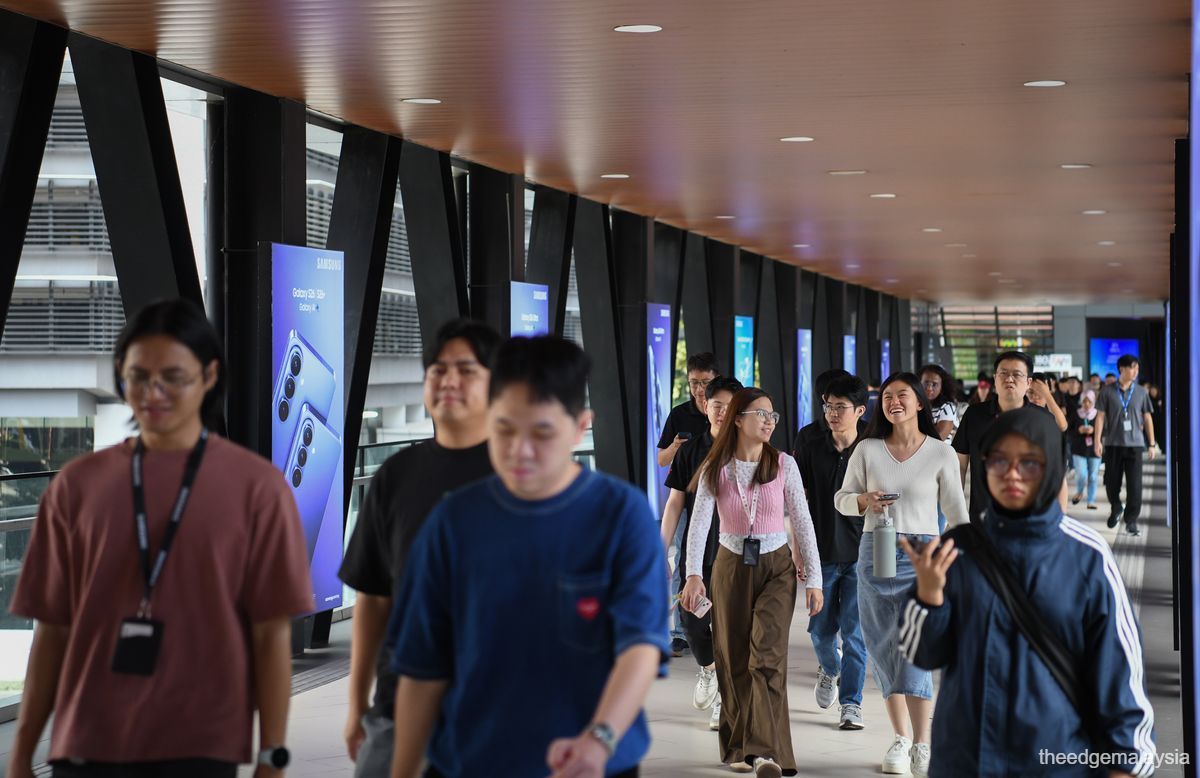
The government wants higher industrial standards to translate into stronger labour productivity, better wages and greater worker mobility, the MOF said.
Budget 2027 will expand industry-led TVET, apprenticeships, reskilling, artificial intelligence (AI) literacy, digital capabilities and lifelong learning, with employers expected to play a larger role in curricula, training equipment and job placements.
Reliance on low-skilled foreign labour will continue to be reduced via greater automation and improved workforce planning, while the government will continue to pursue a 60% female labour force participation target via childcare infrastructure and flexible work arrangement incentives.
8. Competitive home-grown entrepreneurs and 'Made by Malaysia'
Budget 2027, the MOF said, will seek to empower more Malaysian companies to innovate, scale up and compete in regional and global markets, with emphasis on growth-stage financing for start-ups and mid-sized companies, innovative SMEs and export-market diversification.
Support is expected to cover financing, technology, talent, certification, marketing networks and access to larger-company supply chains. Government procurement and government-linked investment company (GLIC) investments will be used to catalyse local innovation where there is demonstrable value for money, while the government will continue efforts to commercialise university and public-sector research.
The broader 'Made by Malaysia' agenda aims to develop products, technologies and intellectual property owned by Malaysians, creating higher-value jobs and building national wealth.
9. Outcome-base incentives for investments
Investment policy will increasingly focus on projects that are genuinely realised, create local supply chains, raise productivity and generate quality employment, the MOF said. Outcome-based incentives, post-approval facilitation, local supplier development, technology transfer and research and development commercialisation will be strengthened, with strategic sectors including semiconductors, AI, digital services, energy transition, pharmaceuticals, logistics and aerospace remaining in focus.
The government will monitor investments throughout their lifecycle and address bottlenecks involving land, utilities and talent, while seeking greater spillover benefits for MSMEs through digitalisation and financing.
Development will also continue to be guided by environmental, social and governance (ESG) principles and the Sustainable Development Goals, as Malaysia seeks to improve its competitiveness and move towards a top-12 position in the IMD World Competitiveness Ranking.
10. Building energy, food, and cybersecurity

The 2026 energy crisis has reinforced the need for Malaysia to strengthen its resilience against geopolitical, climate, technological and commodity shocks, the MOF said.
Given this, it noted that Budget 2027 will accelerate the clean-energy transition, raise agricultural productivity and technology adoption, strengthen food security, and step up flood mitigation, disaster preparedness and climate adaptation. Cybersecurity, online fraud prevention, data resilience and protection of critical infrastructure will also be treated as national-security priorities.
In energy, the government plans to accelerate the National Energy Transition Roadmap through more renewable capacity and battery storage, grid upgrades and Asean interconnection, greater energy efficiency, and the development of carbon capture, utilisation and storage and hydrogen, while data-centre incentives will be tied to energy and water efficiency.
The 10 focus areas will be refined following consultation with the public, businesses and other stakeholders before the budget is tabled in Parliament on Oct 9, said the MOF.