

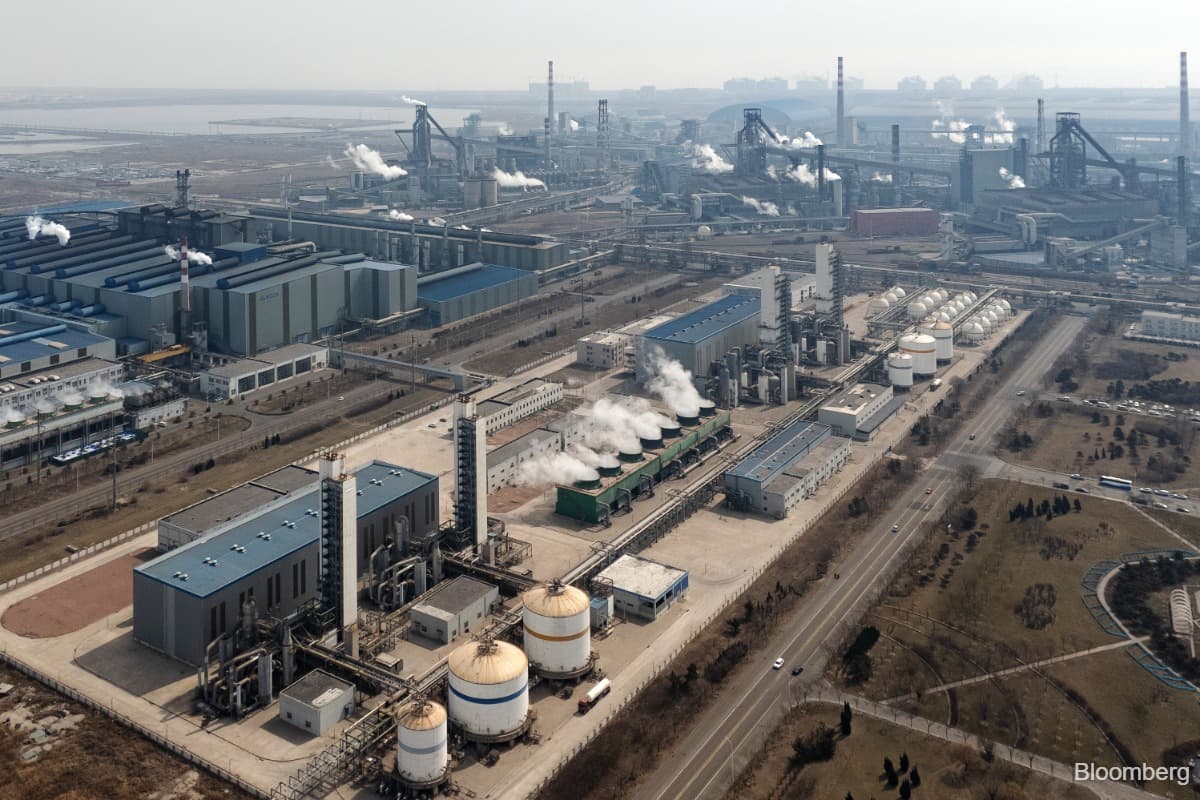
(Aug 17): Chinese steel production tumbled last month, putting the industry on track for the lowest annual total this decade as mills adjust to much weaker demand.
The steel market is contending with major structural headwinds. The government seems willing to tolerate slower economic growth, while the crisis in the country’s property market shows few signs of abating.
Steelmakers churned out 76.93 million tons in July, 3.6% lower year-on-year and the weakest reported monthly total of 2026, according to the National Bureau of Statistics on Monday. Output over the first seven months was 3.1% lower than the previous year at 577.04 million tons.
The seasonal lull in consumption has been compounded by worsening conditions in the wider economy. The contraction in construction activity has deepened, according to the latest purchasing manager index, while fixed-asset investment has fallen dramatically, the data from the statistics bureau showed.
The upshot is that spot prices of rebar, used in buildings and infrastructure, have slumped to near a 10-year low. Benchmark futures of iron ore, the key input for steel, have dropped decisively below US$100 (RM406) a ton.
Output data for other major commodities:
- Crude oil refining plunged 16% year-on-year as the war in Iran continues to take a toll, although the total was higher than the six-year low hit in June.
- Aluminium, another commodity affected by the conflict, rose 3.8% to just shy of June’s record.
- Coal production fell 10% to near a five-year low. Safety inspections have curtailed mining in the key hub of Shanxi following a deadly accident in May.
- Natural gas output edged lower while crude rose slightly. Power output from large-scale generators fell on an annual basis for the first time since 2022. Improved performance from wind turbines helped clean energy meet all additional demand, sending thermal generation 3.5% lower.
Uploaded by Evelyn Chan