

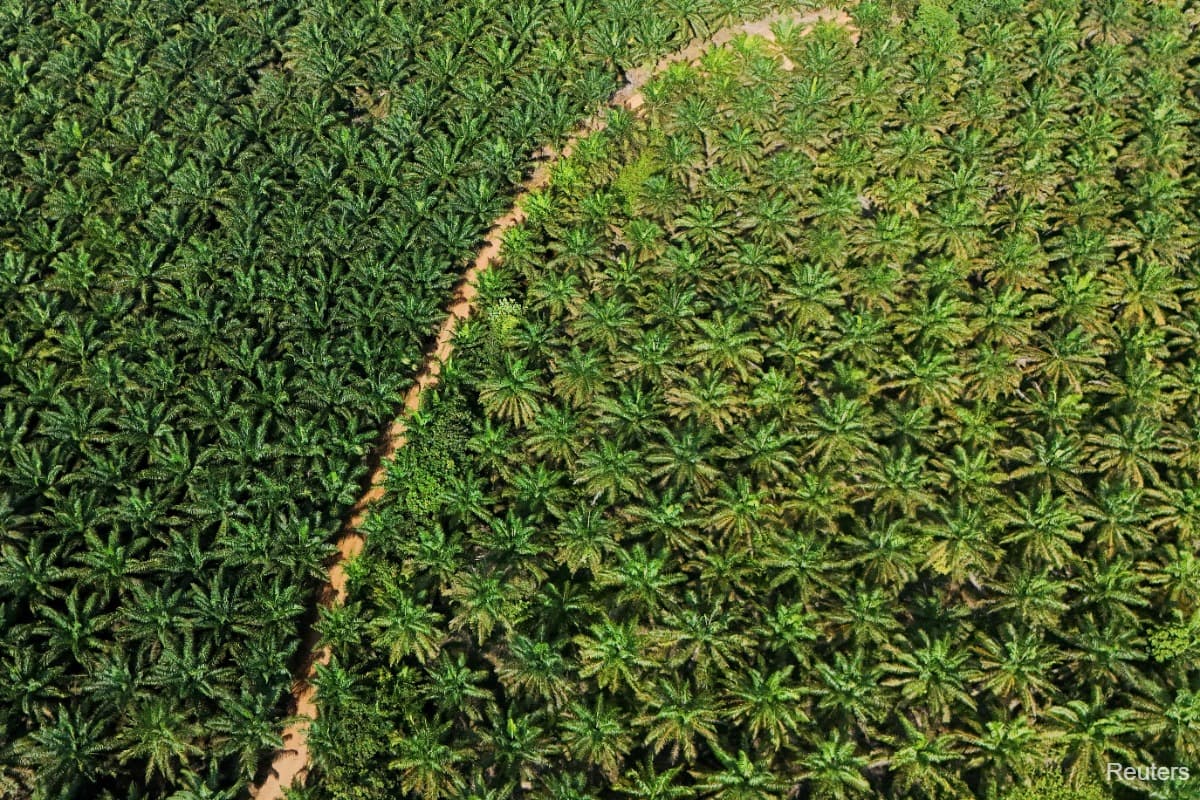
WHEN discussions about sustainable palm oil hit mainstream headlines, the debate almost always centres on land use, certifications, or carbon footprints. Yet, one of the most critical battlegrounds for environmental conservation in Malaysia is completely invisible to the untrained eye: the health of our soil.
Every single year, mature oil palms extract massive quantities of nutrients from the earth to produce the fresh fruit bunches (FFB) that fuel our economy. For decades, the standard response was blunt-force agriculture — broadcasting heavy amounts of chemical fertilisers across fields to keep yields high. But blanket feeding comes with a steep hidden cost. In Malaysia’s high-rainfall tropical climate, unrefined chemical applications lead to nutrient leaching, washing vital nitrogen and phosphorus into local waterways while accelerating soil acidification.
The core question we faced at the Malaysian Palm Oil Board (MPOB) during my three decades in agronomic research was simple yet daunting: How do we maximise yield on every single hectare of land without destroying the biological richness of our soil?
The answer was not to stop using fertiliser, but to reinvent it completely.
From field trials to innovation
Between 1980 and the early 2000s, our research team carried out extensive factorial field trials spanning every major soil type in the country — from rich coastal alluvium to challenging, weathered inland hills. Using complex statistical modelling, we mapped out the precise interaction between soil chemistry, environmental factors, and palm nutrition.
That work culminated in 2004 with the invention of the MPOB F-Series fertiliser formulations (MPOB F1 through F4).
Instead of standard chemical blends, we created highly compacted, dust-free granules engineered specifically for the feeding behaviour of oil palm roots. Later formulations, like the F4 series, introduced natural zeolite minerals into an organic-chemical hybrid matrix.
The zeolite acts like a sponge, binding nitrogen and releasing it slowly to the plant. This simple intervention dramatically curtailed ammonia loss and nutrient runoff, keeping the fertiliser in the active root zone where it belongs.
Environmental stewardship as an economic asset
Prudent fertiliser application is ultimately an act of conservation. When plantations increase their Fertilizer Use Efficiency (FUE), three crucial things happen:
1. Waterways stay clean: Reduced leaching keeps chemical runoff out of surrounding rivers and aquatic ecosystems.
2. Soils stay alive: Balanced organo-chemical formulations preserve the Cation Exchange Capacity (CEC) of soil, keeping beneficial soil micro-fauna thriving for future replanting cycles.
3. Land efficiency rises: By squeezing maximum yield out of existing acreage, we remove the pressure to clear new land — directly supporting Malaysia’s commitment to retaining national forest cover.
A lasting legacy for Malaysian industry
When global fertiliser prices skyrocketed during the commodity crises of 2007 and 2008, commercialised MPOB formulations threw a lifeline to local estates, proving that environmentally sound inputs could also save millions in operational costs.
Today, over two decades after their introduction, these formulations remain in commercial production across Malaysia.
As the global community demands higher environmental accountability from agricultural supply chains, Malaysia already holds a proven, home-grown answer. Conservation is not just about leaving nature untouched — it is about managing the land we cultivate with science, precision, and respect for the soil beneath our feet.
A Tarmizi Mohammed (TAM) served as principal research officer in agronomy and director of biological research at the Malaysian Palm Oil Board (MPOB) from 1980 to 2012.