

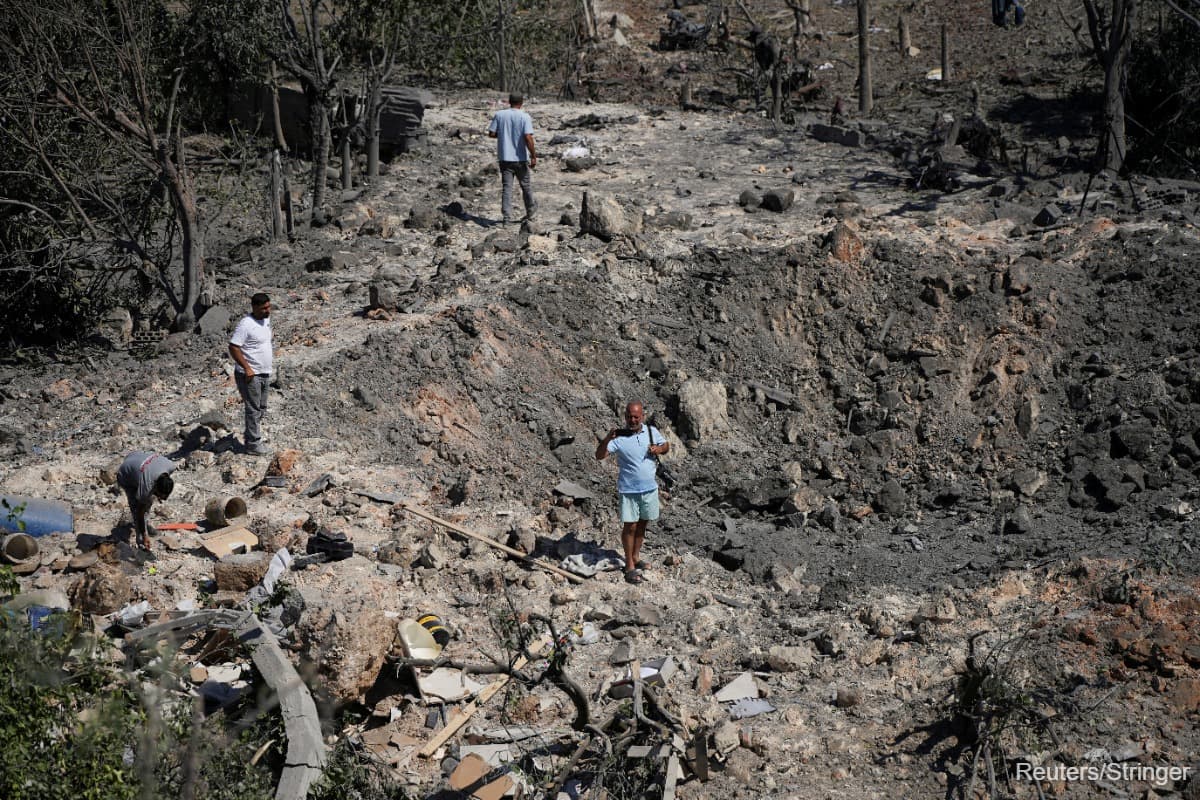
(Aug 17): Lebanon saw its deadliest day of fighting in months, heaping pressure on stalled US-Iran negotiations while Washington prepares fresh sanctions.
The Israel Defense Forces said on Sunday that it killed Abu Hassan Alaa, a senior Hezbollah commander, in southern Lebanon a day earlier. Eleven people died in the Israeli strikes, making them the deadliest since the sides agreed to a ceasefire at the beginning of June.
Israeli Prime Minister Benjamin Netanyahu said the strikes were in retaliation for a Hezbollah attack that injured three soldiers on Saturday. Israel said on Sunday it would strike the Iranian proxy group again if threatened.
The fighting threatens a US-brokered ceasefire that calls for Hezbollah’s disarmament, an eventual Israeli withdrawal from occupied territory and the Lebanese army taking responsibility for security. It may also complicate deadlocked US-Iran negotiations as their ceasefire expires on Monday with no apparent path forward on the Strait of Hormuz and Washington readying an “economic isolation” plan.
President Donald Trump told Fox News last Friday that the US plans to hit Iran’s economy hard and that he didn’t care whether the conflict ends before the November US midterm elections, which will hinge on voter perceptions of the economy.
It’s unclear what additional measures the US could implement without resorting to secondary sanctions. China buys more than 90% of Iranian oil, but sanctioning Beijing could prompt retaliation, risking blowback on the US economy and greater uncertainty over global energy prices.
“Unless the president decides to prioritize addressing the Iran threat over all other issues, and namely China, it’s unlikely any action they take is going to materially change Iran’s calculus,” Bloomberg Economics analyst Chris Kennedy said.
Iran’s economy has been badly hit, with much of its industrial capacity damaged and crude exports severely curtailed by a US naval blockade. Waves of sanctions have failed to force Iran to bend on its nuclear program or relinquish control over the Strait of Hormuz.
The waterway is a “God-given geopolitical asset for the Iranian nation and this leverage will never return to its former state,” Iran’s semi-official Fars news agency cited Army Commander-in-Chief Amir Hatami as saying on Sunday. “We will protect this capacity with all our power.”
About a fifth of the world’s oil and gas transited Hormuz before the war. Brent crude rose almost 6% last week as attacks on vessels underscored the continued threat to energy flows. Brent was little changed and traded below US$89 (RM363) a barrel on Monday in Asia.
Iran has used the relative lull in fighting to prepare for a potentially broader confrontation, The Wall Street Journal reported, citing Iranian and Arab officials. Tehran has given the Islamic Revolutionary Guard Corps greater influence over the military, installed hard-line veterans in key security posts, accelerated missile and drone production and strengthened coordination with allied militias across the region, it said.
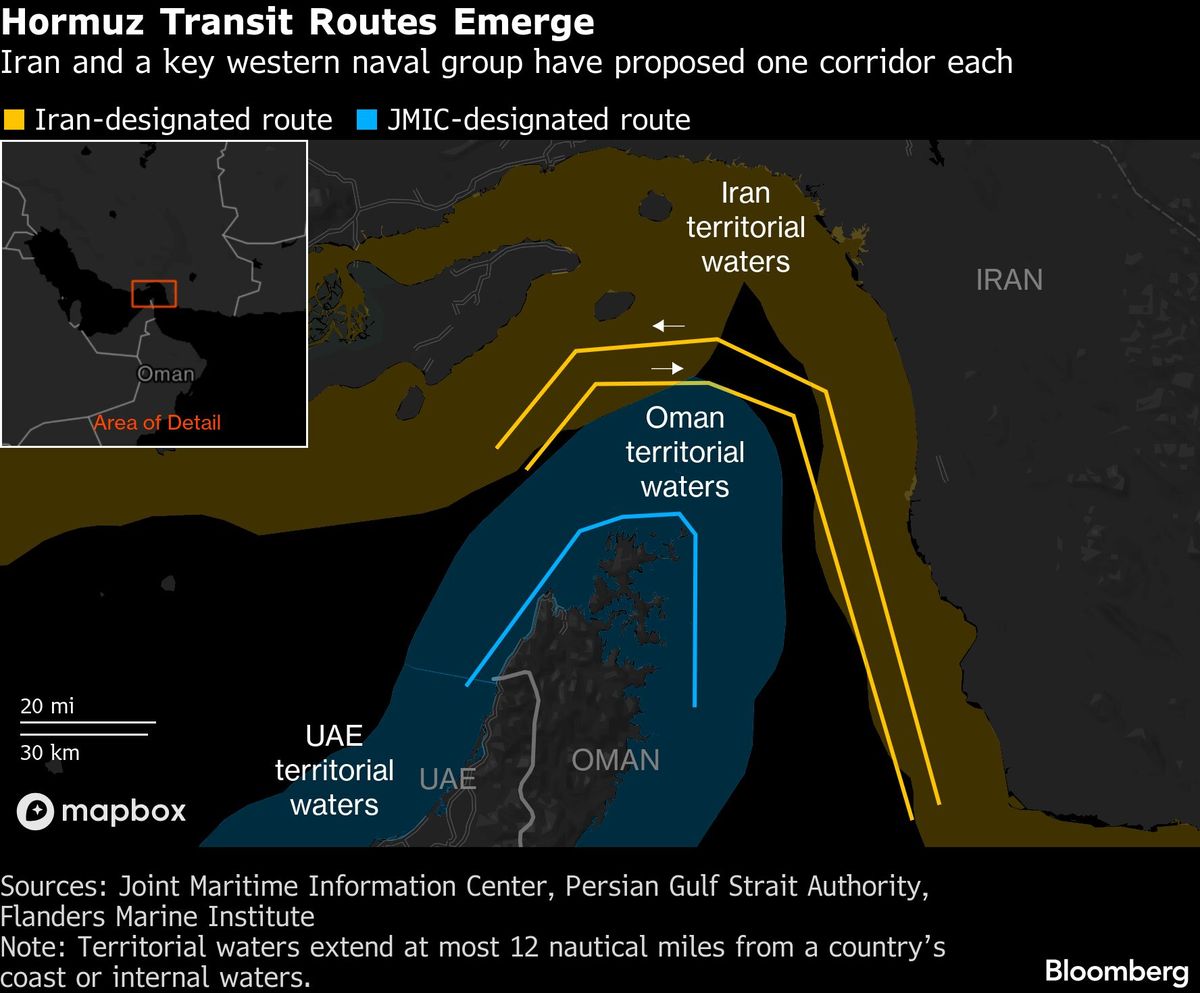
Iran and Oman appear to be finalising a “shipping map” as part of a broader agreement on how to govern traffic in the strait, but the US is not involved in those discussions and is unlikely to agree to terms that don’t restore free passage through the waterway.
Middle Eastern producers continue to shuttle large volumes of crude out of the Persian Gulf, helping contain global prices and inflation concerns.
Trump already warned the ceasefire agreement was effectively “over” in July, when the US and Iran traded tit-for-tat strikes, and Iran has long argued that Israeli strikes on Lebanon are in violation of the agreement.
Attacks continued in and around the Strait of Hormuz, with UK Maritime Trade Operations reporting a projectile struck the hull of a bulk carrier on Saturday. Two Abu Dhabi National Oil Co (Adnoc) vessels were struck while transiting Hormuz last Thursday and another last Friday, according to the United Arab Emirates’ state-run WAM news.
Tensions also surfaced with mediator Qatar after Iran’s state-run Irna reported that Doha barred an Iranian delegation from investigating three pilots who crashed there during the war. Qatar’s Foreign Ministry spokesperson in a post on X denied detaining Iranian pilots and called the allegations misleading amid efforts to de-escalate the conflict.
Israel is also clashing with Iran-backed Hamas in Gaza, while the Houthis have attacked ships in the Red Sea.
US peace envoy Jared Kushner discussed ways to accelerate the second phase of the Gaza ceasefire with mediators Egypt, Türkiye and Qatar ahead of a planned trip to Israel on Monday, according to Egyptian and regional reports.
A Hamas politburo member said Kushner had confirmed the road map was final and wouldn’t be reopened for negotiations, though Israel must agree to the deal without violations. The official spoke to Bloomberg on condition of anonymity because Hamas wasn’t making the discussions public before the mediators.
Uploaded by Tham Yek Lee