

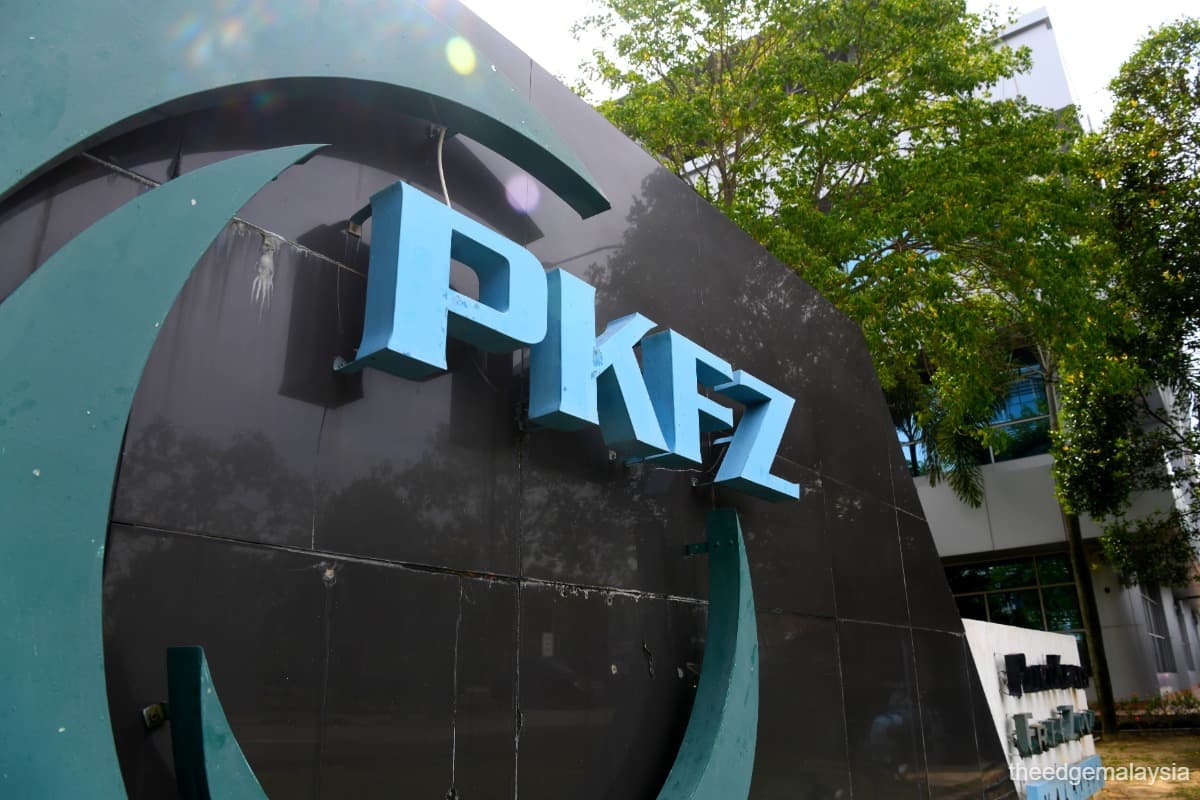
KUALA LUMPUR (Aug 15): The Port Klang Free Zone (PKFZ) does not facilitate or condone tariff evasion, false declarations or illegal transshipment, its chairman Lim Lip Eng said, responding to concerns raised in a recent US report about global trade and tariff-evasion practices.
The report, titled “The Great Transshipment Scam: Rise, Scope and Costs”, named Malaysia among 40-over countries accused of serving as conduits for illegal pass-through. It placed Malaysia in Tier 2 as a ‘scale leader with significant integration with China’, and warned that local deep-water ports, manufacturing hubs and free trade zones are being exploited to cloak Chinese origin and bypass US Section 301 tariffs and anti-dumping duties.
Lim said the presence of Chinese-linked companies or international cargo in Malaysian free zones should not, in itself, be interpreted as evidence of tariff evasion or illegal transshipment.
"Malaysia is a major regional manufacturing and logistics hub, and legitimate international trade naturally involves global supply chains, intermediate processing, consolidation and re-export activities," Lim said in a press statement on Saturday.
The PKFZ, an integrated logistics and free-zone hub near Port Klang, operates under Malaysia's customs and trade compliance framework, with investors, manufacturers, traders and logistics operators subject to screening, due diligence and regulatory requirements, Lim said.

He added that the determination of goods' origin and the issuance of export certificates are matters for the relevant government authorities rather than the PKFZ.
For shipments bound for the US, Malaysia's Ministry of Investment, Trade and Industry (Miti) has been the sole issuer of non-preferential certificates of origin since May 6, 2025, Lim said. Chambers of commerce and business associations are no longer authorised to issue such certificates for US-bound exports.
The certification process is comprehensive and Miti requires, among others, cost analysis, statutory declarations, company and manufacturing information, raw-material documentation, production flowcharts and supporting commercial documents, with approvals issued on a shipment basis, he said.
Miti has also strengthened audit and verification procedures and works with the Royal Malaysian Customs Department to address potential transshipment offences, Lim said.
The PKFZ would cooperate with Miti, the Customs Department and other authorities where there were indications of regulatory non-compliance and would take appropriate action within its mandate, he said.
"The PKFZ also welcomes greater scrutiny and stronger enforcement against genuine cases of trade fraud," Lim said, adding that a transparent and rules-based trading environment would protect legitimate investors and strengthen Malaysia's position as a regional logistics and manufacturing hub.