

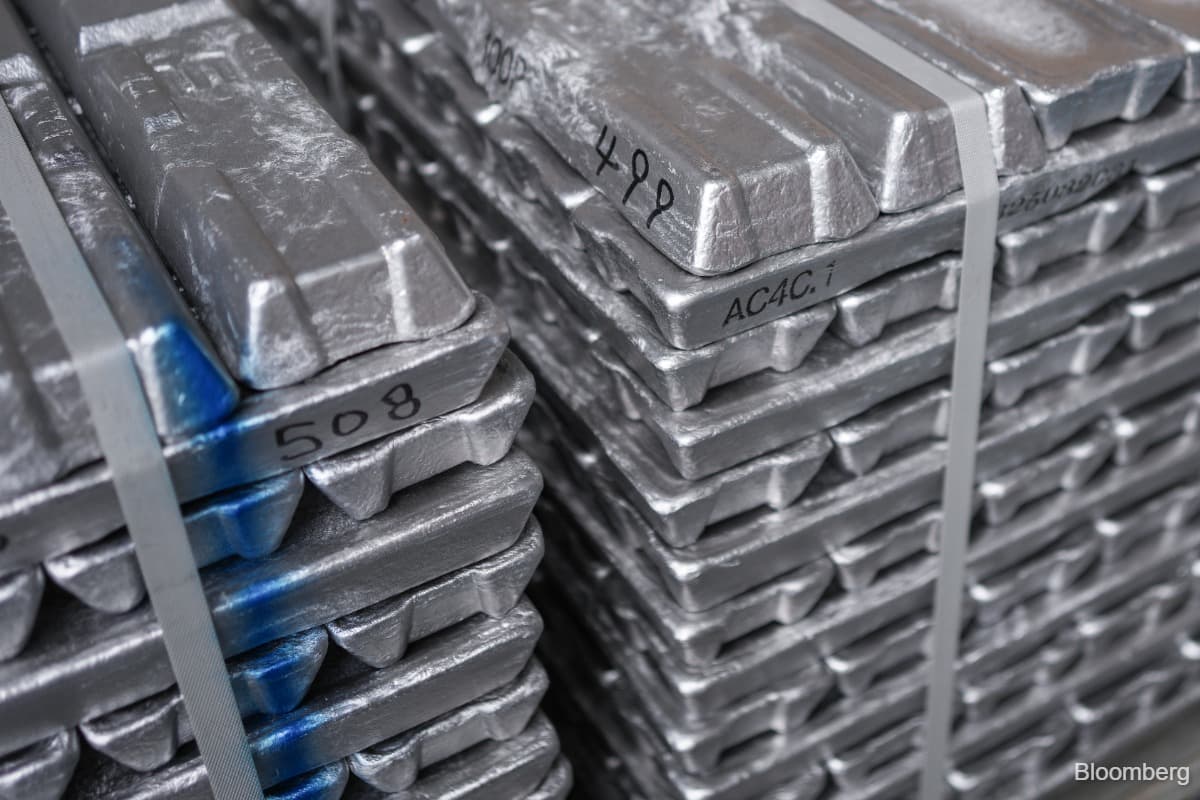
(Aug 11): Aluminium advanced for a seventh day as fading prospects for a quick deal to reopen the Strait of Hormuz fuelled concerns that Middle Eastern supplies would remain constrained for the foreseeable future.
Futures in London climbed as much as 1% to the highest level since June 23, after President Donald Trump on Monday laid out extensive new demands on Iran, including compensation for people killed by Tehran. The conditions, which are likely to be rejected by Iran, came after the Islamic republic reiterated its own requests for reparations as part of talks to wind down the conflict.
The hardening positions on both sides point to a longer grind towards a deal, dimming hopes for a normalisation of aluminium supplies as global inventories hover near the lowest in decades. The region accounted for about a tenth of global output before the war.
“Negotiations in the Middle East are not proceeding smoothly, which should provide some support for aluminium prices,” said Yan Weijun, head of nonferrous metals research at Chinese trader Xiamen C&D Inc.
Aluminium surged early in the war before retreating as the US and Iran entered negotiations. Prices then resumed their advance, gaining more than 8% since the end of June as the talks to end the war dragged on and investors pared bets on US interest-rate hikes, fuelling a broader base metals rally.
Stockpiles of aluminium in London Metal Exchange warehouses have fallen steadily this year and are now near a quarter of a million tons, the lowest level since November 1990, despite new supplies from China and Indonesia.
Major European aluminium producer Norsk Hydro ASA warned last month that the annual global supply shortfall for the metal may widen to more than 900,000 tons if trade through the Hormuz wasn’t normalized.
Aluminium was trading 0.6% higher at US$3,337 (RM13,651.94) a ton at 13:15 pm Shanghai time. Copper rose 0.1%, while other metals were down.
Uploaded by Evelyn Chan