

KUALA LUMPUR (Aug 10): The Ministry of Housing and Local Government (KPKT) says Malaysia’s housing sector is adopting a more progressive and data-driven approach to planning and development as the country targets an 85% urbanisation rate by 2040.
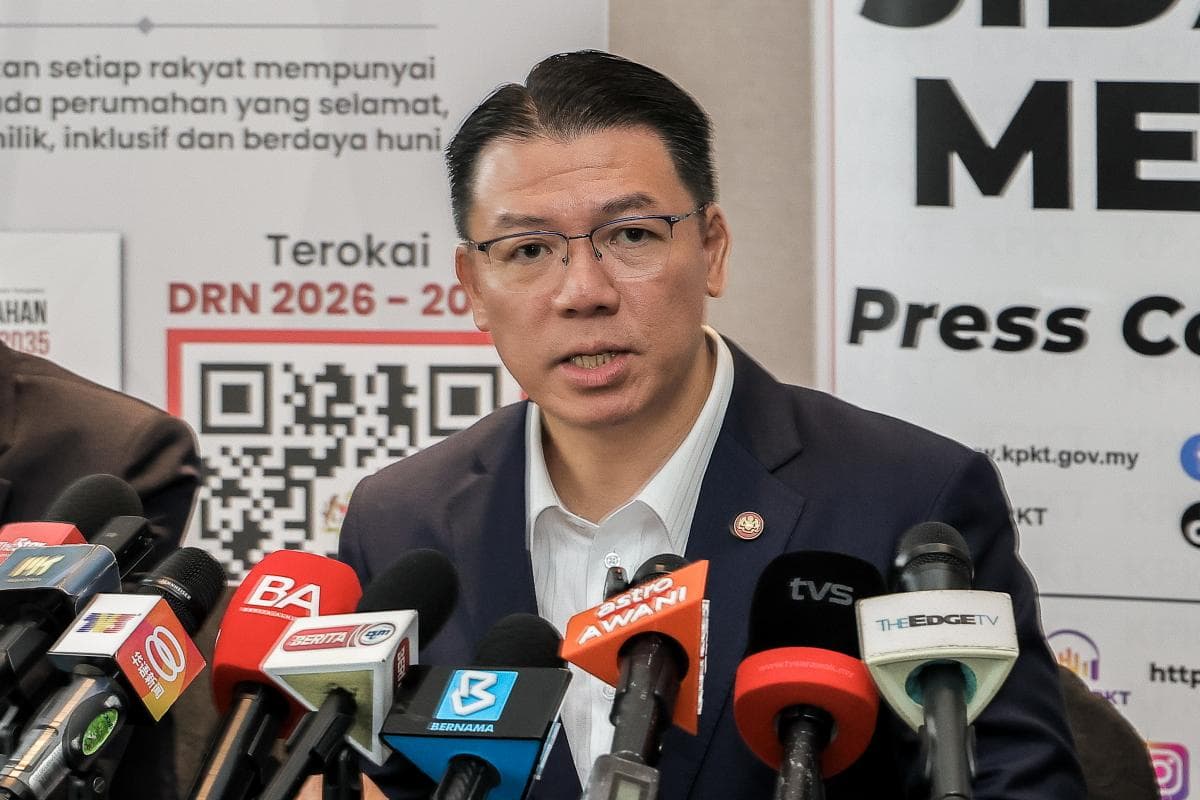
“The challenge we face is no longer just about providing more houses. Instead, the real challenge is ensuring that the housing provided truly meets the people's needs, is located in suitable areas, and is safe, of good quality, affordable and in liveable neighbourhoods,” its minister Nga Kor Ming said in his opening speech during the launch of the National Housing Policy 2026-2035.
Malaysia’s current urbanisation rate stands at 78%, meaning about 78% of the population lives in urban areas, according to the ministry.
Nga said the housing sector is facing new pressures from rising urbanisation, the growth of the digital economy, higher development costs, climate change and growing public demands for stronger housing policies.
“On that basis, the National Housing Policy 2026-2035 brings a critical shift from an approach that views housing as a market commodity to one that recognises housing as a fundamental right and a platform for a dignified life,” he said.
The policy, themed “Humanising Housing”, aims to shift housing development beyond simply building homes towards creating communities that are safe, inclusive, sustainable and liveable.
The National Housing Policy 2026-2035 sets out 10 strategic pillars, with implementation focused on six key areas, 17 strategies and 59 action plans.
It targets the provision of one million affordable homes by 2035, supported by a more comprehensive, integrated and data-driven approach to matching housing supply with actual demand.
Among its key measures are using big data analytics to guide housing development, ensuring affordable housing prices are better aligned with local incomes and needs, and expanding access to home ownership through rent-to-own, shared ownership, fixed rate mortgages and the Housing Credit Guarantee Scheme (SJKP).
The policy also proposes a Residential Tenancy Act to create a more transparent and balanced rental market, while promoting transit-oriented development, modern construction technologies and green building certification.
Buyer protection will also be strengthened through the phased implementation of the build-then-sell system, a new Property Developers Act, as well as option to purchase and sunset clause mechanisms.
The policy places greater emphasis on inclusive housing, including homes that are suitable for the elderly and persons with disabilities, while strengthening strata management through amendments to the Strata Management Act 2013.
The six focus areas include creating more liveable neighbourhoods and cities, coordinating housing supply with demographic and population needs, ensuring quality housing and secure tenure across income groups, and improving access to housing finance through more flexible and affordable options.
KPKT will also strengthen institutional capacity, governance and coordination among agencies to improve the delivery of housing policies and ensure they produce more effective outcomes.
The policy will serve as the main reference for ministries, agencies, state governments, local authorities and industry players in planning and implementing Malaysia’s housing development through to 2035.