

(Aug 3): Northrop Grumman Corp has secured agreements worth as much as US$3 billion (RM12.25 billion) to supply key components for missile interceptors produced by Lockheed Martin Corp, part of a broader effort to boost output of munitions drawn down by the Iran war.
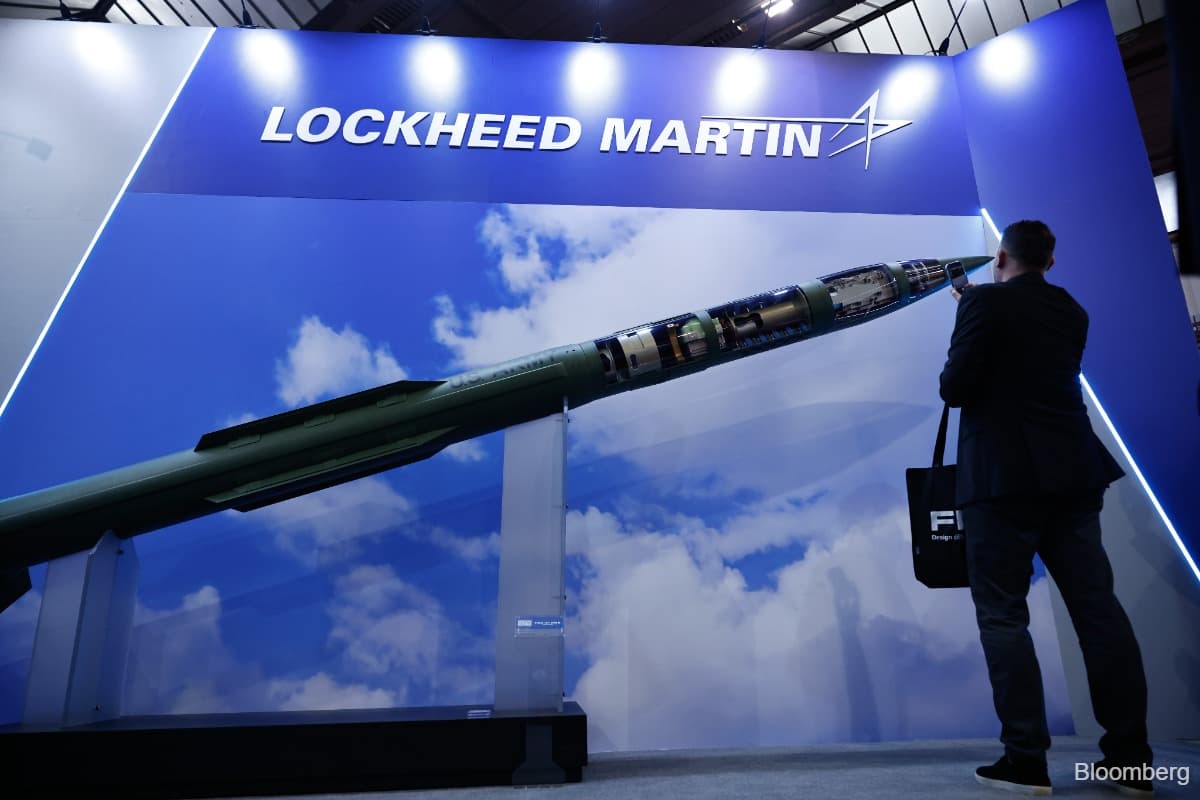
The framework agreements with the Pentagon cover about US$2 billion in work tied to Lockheed’s Patriot Advanced Capability-3 Missile Segment Enhancement, or PAC-3 MSE, interceptor missile, including the supply of solid rocket motors, said Ben Davies, vice president of defence systems at Northrop.
Northrop also reached a deal worth about US$1 billion to support expanded production of Lockheed’s Terminal High Altitude Area Defence interceptor, or THAAD.
The Trump administration is pushing major defence manufacturers to replenish US munitions stockpiles that have been depleted by years of weapons transfers to Ukraine and heavy use of interceptors during recent operations in the Middle East.
The Pentagon has reached several so-called framework agreements — essentially a formal commitment ahead of a contract award — with Lockheed, Northrop and other weapons makers to boost the effort, which also aims to bolster supplies of key munitions that would be needed in the event of a prolonged conflict with China.
Supplying solid rocket motors for Lockheed’s Patriot missile expands Northrop’s role in the programme, whose sole supplier of the critical system is L3Harris Technologies Inc. Lockheed is working to triple production of the missile to 2,000 a year by the end of 2030.
Northrop expects to ramp up production of the motors over the next two to three years at its facility in West Virginia. The company is in the process of tripling its production capacity there, Davies said. The company said the framework agreement will be followed by a production contract with Lockheed in the coming months.
The company also will continue supplying ignition safety devices for the PAC-3 interceptor.
Northrop’s THAAD agreement expands its existing work supplying high-temperature structural components and supports the Defense Department’s goal of quadrupling production.
The new deals follow a broader US$2 billion investment by Northrop in its missile business since 2019. The company has expanded capacity in Utah, West Virginia and Maryland in anticipation of higher demand for missile propulsion systems.
Uploaded by Felyx Teoh