

KUALA LUMPUR (Aug 3): Nestle (Malaysia) Bhd (KL:NESTLE) on Monday pledged to halve harmful gas emissions across its entire value chain by 2030.
To meet the commitment, Nestle Malaysia said it has transitioned to 100% renewable electricity, and shifted from fossil fuels to biomass in selected manufacturing operations. It is also reducing water consumption through the reuse of treated water for cooling systems and other non-manufacturing purposes, while designing packaging materials to be recyclable, Nestlé Malaysia said.
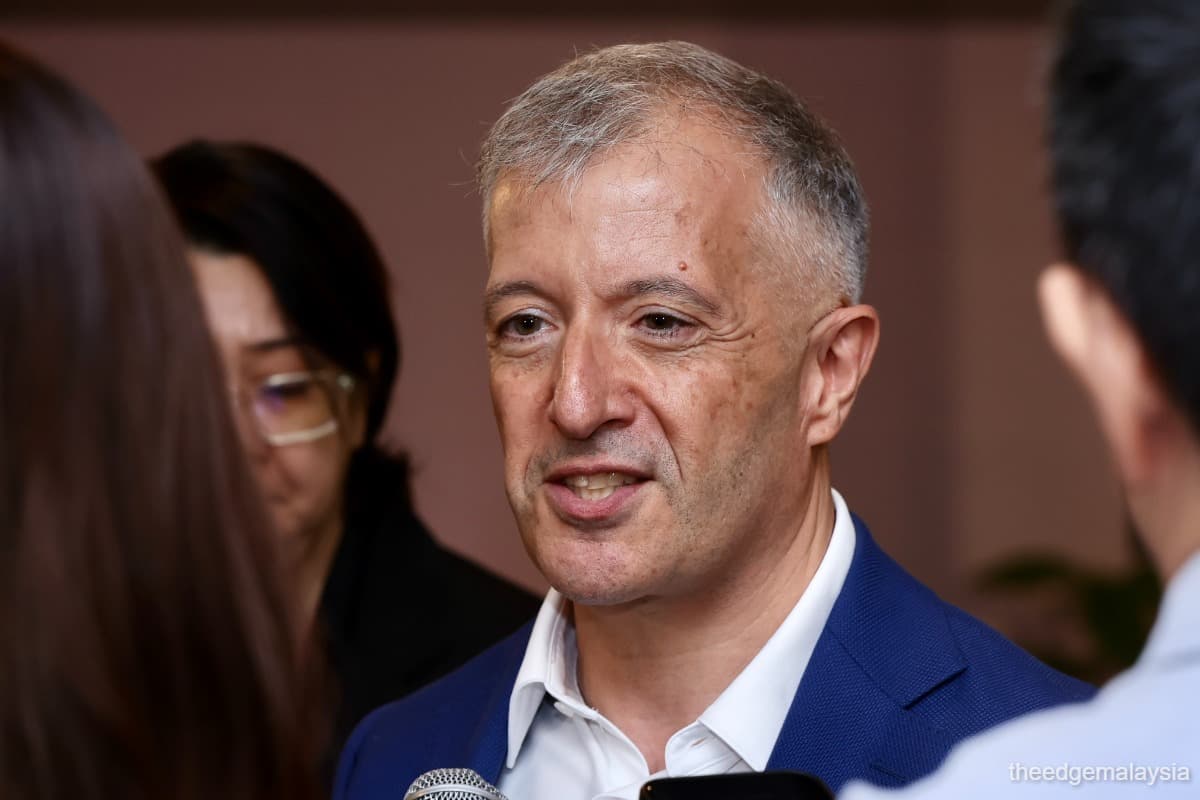
“We remain committed to investing, innovating and collaborating with our partners to reduce our environmental impact and help build a more sustainable future for the nation.” Nestle Malaysia CEO Juan Aranols said at a news conference.
However, he declined to provide the total investments committed.
In Malaysia, Nestle operates six manufacturing facilities producing products such as coffee, dairy, culinary products, confectionery, and infant nutrition. The company is mostly known for Milo malt beverages, Nescafe coffee, Maggi noodles and seasonings, KitKat chocolates.
Nestle Malaysia, the locally listed unit of the Swiss food-and-beverage conglomerate, claimed that it had achieved a 31% reduction in greenhouse gas emissions in 2025 and ahead of its initial target of 20% set against a 2018 baseline.
To address the environmental impact of packaging, Nestle Malaysia is reducing the use of virgin plastic as well as improving packaging design to increase the use of recycled plastic and strengthen post-consumer recovery.
The company said it is collaborating with local municipalities, regulators, recyclers, and waste-management firms to facilitate household recyclables collection in residential areas and suburban communities.