

This article first appeared in City & Country, The Edge Malaysia Weekly on August 3, 2026 - August 9, 2026

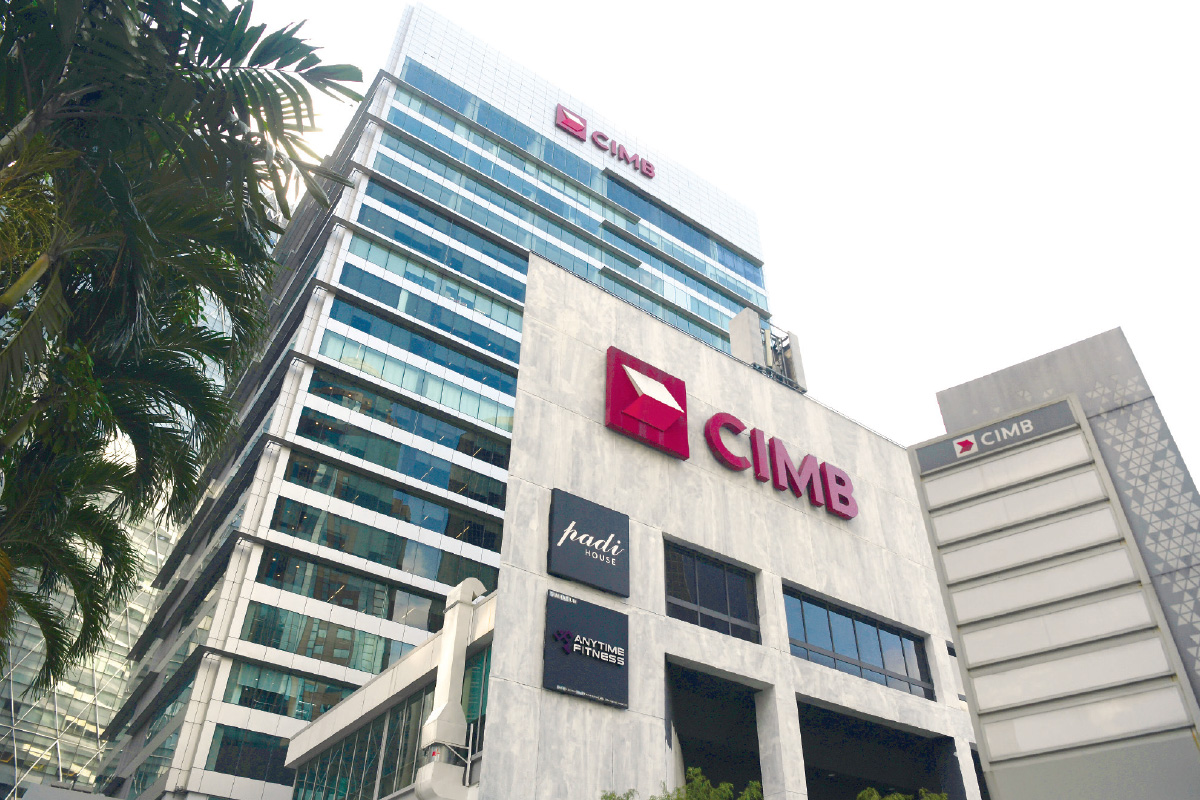
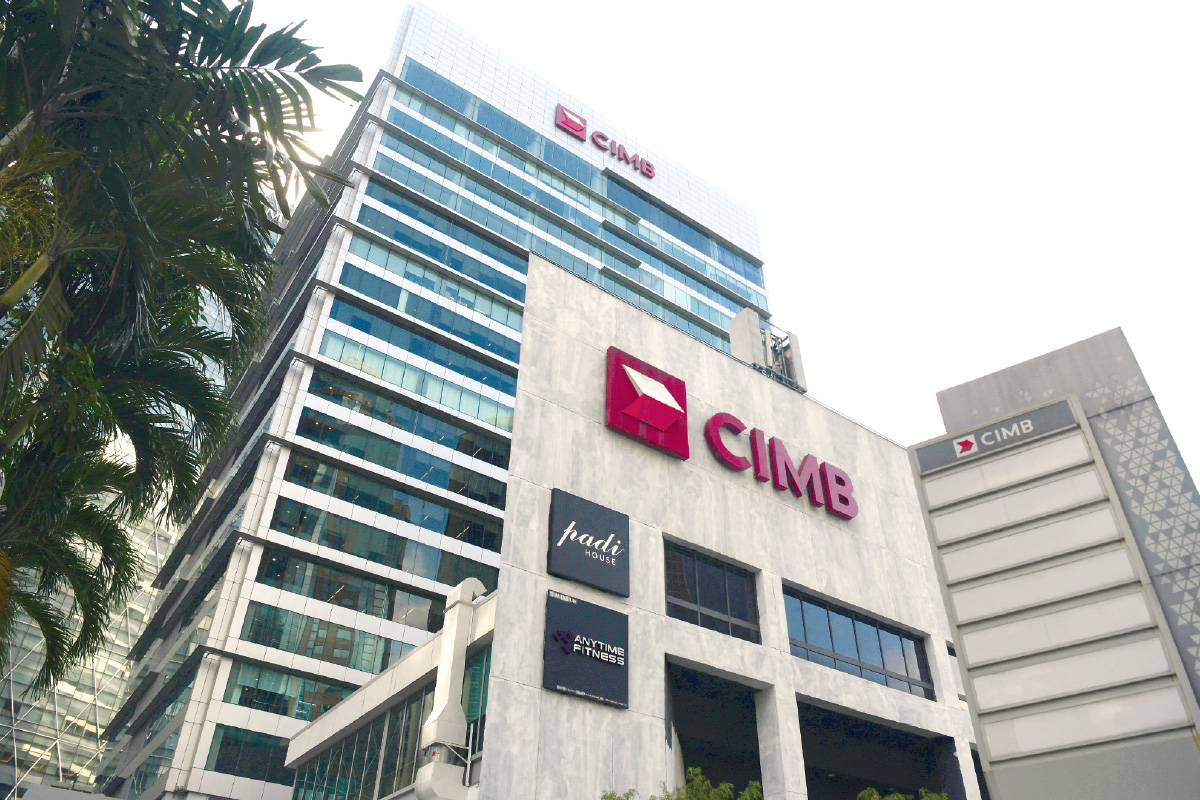
For Permodalan Nasional Bhd (PNB), winning awards for CIMB Hub is more than just an industry accolade; it validates a long-term strategy to reposition an ageing asset into a modern, sustainable workplace.
The 22-storey office tower on Jalan Sultan Ismail, Kuala Lumpur — completed in 1983 and once famously known as Kenanga International — has undergone a remarkable transformation over the past few years. Developed by K&N Kenanga Holdings Bhd (now Kenanga Investment Bank Bhd [KL:KENANGA]), the building was initially sold to Injaz Asia Equity Property in 2007, and subsequently to PNB two years later.
Rather than demolishing the building and starting afresh, PNB opted to preserve its structural integrity while modernising the systems that underpin its day-to-day operations. The once-Grade-B property has since been upgraded into a Grade A, Green Building Index (GBI)-certified office through a carefully planned refurbishment programme that balanced sustainability, operational efficiency and tenant experience. For its effort and response to changing market expectations, CIMB Hub was awarded
Silver in the 10 Years and Above — Non-strata Office category at The Edge Malaysia Best Managed & Sustainable Property Awards 2026.
Rahim & Co Chestertons is the property management company for the building.
For PNB head of real estate Nur Farahbi Shaari, the journey began with a simple assessment of the building’s strengths and weaknesses. While location remained one of its greatest strengths, the building itself no longer met the expectations of occupiers seeking high-quality office space.
Looking beyond cosmetic changes
PNB spent about RM15 million on upgrading works relating to tenant experience and common area enhancement, smart building and operational efficiency upgrades, as well as green building certification carried out from 2020 to 2024.
The first phase of refurbishment began before the Covid-19 pandemic, with improvements to visible areas such as the façade, entrance lobby and lift lobbies. These upgrades refreshed the building’s appearance and improved the arrival experience for tenants and visitors.
However, PNB soon recognised that cosmetic improvements alone would not suffice to reposition the asset in an office market where occupiers were becoming increasingly selective.
The pandemic also accelerated the focus on environmental, social and governance (ESG), which has become an important consideration in corporate real estate decisions, particularly among multinational corporations and financial institutions.
“So, in 2021, we decided to spend more to upgrade the building into a green building. That was a major milestone for us as it is one of the first buildings — if not the first — that we have owned and retrofitted into a green building while retaining our existing tenants,” she says.
“Transforming it into a green building is also in line with our overall target as an investment house. We have a Sustainability Framework that includes a commitment to achieve net zero emissions by 2050. We identified CIMB Hub as one of the assets that is of high potential, so we invested more to upgrade it into a green-certified building. It wasn’t just about making the building look newer. We wanted to make it healthier, more energy-efficient and more sustainable.”
The decision required more than replacing finishes or upgrading common areas. Instead, the focus shifted to the building’s “guts”, such as the mechanical and electrical systems, which determine how efficiently a building operates throughout its life.
CIMB Hub received its GBI certification in October 2024.


Retrofitting while remaining operational
The most challenging aspect of the project was that the refurbishment took place while tenants continued occupying the building. Construction activities, therefore, had to be carefully phased to minimise disruption to businesses operating inside the tower.
Work zones had to be clearly segregated from occupied areas, while temporary wayfinding, protective barriers and safety signage ensured that office workers could continue moving safely through the building.
Farahbi also notes that health, safety and security protocols became particularly critical, given the scale of the refurbishment.
“When you are carrying out upgrades of this nature, there’s dust, contractors are moving around and certain areas need to be temporarily closed. Communication was therefore extremely important. Tenants needed to understand what was happening, which areas were affected and how we were ensuring their safety throughout the project,” she explains.
Maintaining business continuity became just as important as completing the physical works. According to Rahim & Co Chestertons director of research and consultancy services Sulaiman Saheh, minimising disruption required continuous communication with tenants so that operational inconveniences remained at an absolute minimum.
The collaborative approach allowed refurbishment works to progress while ensuring that existing occupants could continue operating with minimal interruption.
Air conditioning is the most significant energy drain in commercial office buildings. Improving the efficiency of cooling systems, therefore, became one of the building’s primary priorities.
Older chillers were replaced with significantly more efficient equipment capable of responding dynamically to changing cooling demands throughout the day. Air-handling units were upgraded, while electrical systems were modernised to reduce unnecessary energy consumption.
Rahim & Co Chestertons director of property and facilities management Rozaini Nizar notes that the building now operates through an integrated Building Management System (BMS) and Energy Management System (EMS), enabling the management team to monitor building performance from a centralised platform. Instead of relying solely on routine inspections, team members now receive real-time operational data covering lighting, air conditioning, security systems, fire protection and other critical building services.
Building manager Poovanes Subramaniam says the system collects energy data every 15 minutes, allowing operators to quickly identify abnormalities before they develop into larger operational issues.
“Everything becomes data-driven. If there is an unusual reading, we can identify it immediately rather than wait until something goes wrong,” he explains, adding that the technology also allows cooling systems to respond according to actual occupancy.
Carbon dioxide sensors installed throughout the building measure indoor air quality and automatically increase fresh-air intake whenever occupancy rises. Similarly, when fewer people are present, cooling output adjusts accordingly. It helps reduce unnecessary electricity consumption while maintaining indoor comfort.
Occupancy sensors also control lighting in common areas, ensuring lights are switched off when spaces are unoccupied.
The building also uses Computerised Maintenance Management System (CMMS), which allows maintenance teams to monitor equipment performance remotely and respond more quickly to operational issues.
“The data is [in] real time so we can check all defects via the sensors. We have a dashboard where we can monitor the building. Although our staff is not inside the building, it is a cloud system so we can monitor via our handphone,” Rozaini says.
To increase awareness among occupants, key environmental performance indicators are displayed on digital screens within the building, allowing tenants and visitors to monitor daily energy consumption, building energy index figures, carbon emissions reductions and overall energy savings.
Sustainability that translates into commercial value
For many building owners, sustainability is often viewed as an additional cost. For PNB, however, its investment in CIMB Hub has delivered measurable commercial returns.

Before the green retrofit, occupancy of the building stood at around 20%, according to Farahbi.
“With our commitment to undertake the sustainability upgrades, occupancy more than tripled to 65%. Today, the figure is about 79%, placing the building well above the Napic average occupancy rate for commercial offices in the Klang Valley,” she says.
“There are tenants, particularly multinational corporations, which are themselves required to occupy buildings with green certification in order to meet their own sustainability targets. Therefore, you need to provide a minimum level of quality. A green-certified building tells tenants that certain standards have been met, but beyond that, they also expect good amenities, reliable building services and an environment that supports their employees.”
For Farahbi, sustainability goes beyond bricks and mortar. It is also about the quality of day-to-day management and creating a workplace where businesses can attract and retain talent.
To strengthen the daily operations, Rahim & Co Chestertons was appointed in 2022 following a competitive selection process.
“We knew we wanted a property manager that understood how to manage a Grade A, green-certified office building. Tenant experience is one of the most important responsibilities for any landlord, and property management plays a significant role in delivering that,” Farahbi explains.
Since taking over management, Rahim & Co Chestertons has introduced several digital initiatives designed to improve communication and service delivery. Among them is a QR code system that allows tenants to submit feedback, report issues and make service requests directly to the management office.
According to Sulaiman, effective property management extends far beyond maintaining lifts and mechanical systems. “A building is not just about the hardware. The software is equally important. Sustaining tenant satisfaction ultimately leads to tenant retention. And tenant retention contributes to a stronger and more secure investment over the long term.”
That “software” encompasses everything from communication and responsiveness to tenant engagement and overall user experience.
Farahbi reckons that amenities have become an increasingly important differentiator in creating places where people want to work. Therefore, PNB expanded the range of facilities available within CIMB Hub, including food and beverage outlets, healthcare services and fitness facilities.
She observes that affordability was an important consideration when curating the retail mix.
“One of the concerns employers have is the cost of living for their employees. People travel to work, they need places to eat and they need everyday conveniences. We wanted to ensure the amenities within the building remained affordable.”
The improvements also extended outdoors. As part of the green retrofit, an underutilised water feature was replaced with landscaped gardens, creating a space where office workers could step outside.
“It was intentional. People should be able to step onto the grass, take a short break and experience the greenery. Working environments can be stressful, so we wanted to create spaces where tenants could recharge,” she explains.
Reliability matters
For many businesses, particularly those operating in financial services, uninterrupted operations are essential. For CIMB Hub, resilience is a major component of its repositioning strategy.
The building is equipped with dual electricity supply feeds, meaning if one source experiences an outage, another continues supplying power. Should both supplies fail, back-up generators automatically support essential building services, including lifts, fire protection systems, BMS and EMS.

CIMB, Farahbi says, has also installed its own back-up systems. CIMB Contact Centre and Shared Services are located at CIMB Hub.
“Reliable power supply is extremely important. Financial institutions operate in a highly digital environment, and their systems need to continue running.”
Flood resilience has also strengthened the building’s value proposition. Despite previous flooding incidents affecting parts of the surrounding area, CIMB Hub was able to avoid the natural disaster due to its drainage systems and pumping infrastructure. Combined with robust security measures, these features have enhanced confidence among prospective occupiers. “No employer wants their employees working in an unsafe environment. Safety and security remain among our highest priorities.”
Blueprint for repositioning ageing buildings
While CIMB Hub’s transformation has been a successful one, the approach, however, requires careful planning. Farahbi acknowledges that retrofitting may not suit every building.
“It depends on the fundamentals. You need to understand the building itself, its location and whether the investment will generate the returns you are looking for. Timing is equally important. If you invest too early, there may not be sufficient demand. But if you wait too long, the building may lose its competitiveness. There is a lot of planning behind where and when we invest.”
Having invested significantly in upgrading the building, Farahbi says the focus now shifts towards maintaining those standards through continuous improvements. The building’s long-term competitiveness depends on consistent maintenance, proactive asset management and adapting to evolving tenant expectations.
“We have established a high baseline. Now it is about ensuring the building remains at that level through proper maintenance, regular building audits and making improvements whenever necessary.”
Save by subscribing to us for your print and/or digital copy.
P/S: The Edge is also available on Apple's App Store and Android's Google Play.