

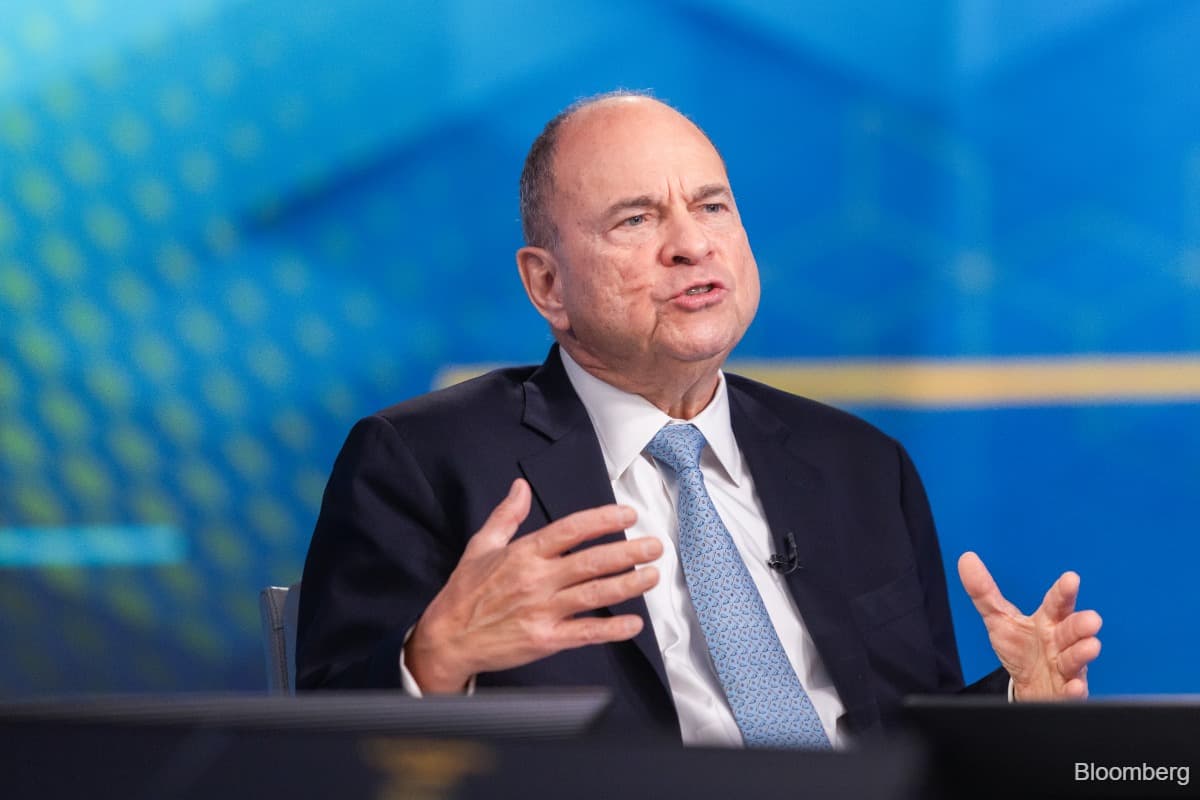
(July 28): As temperatures continue their relentless rise, most investors are still ignoring the impact of a hotter planet on asset values, according to Henry Fernandez, the chief executive of MSCI Inc.
The tendency is understandable, given investors are generally focused on short-term issues, he said. But “the climate is still changing, the world is still overheating, agricultural productivity is declining and there is an impact on companies,” Fernandez said in an interview in London.
Rising temperatures are now “a source of risk and return in any investment you have, and if you ignore this risk you only have yourself to blame,” he said.
The comments come as Europe endures record heat, triggering massive wildfires and disrupting life across the continent. This summer’s heat has been exacerbated by the impact of a powerful El Niño, driving temperatures even higher and threatening food production amid severe droughts. ING’s chief economist Carsten Brzeski has called the string of heat waves a “wake-up call,” noting that the thermometer is now a leading indicator for analysts to monitor.
As wildfires engulf large parts of France and Spain, more than 300,000 people have had to flee their homes, which US climate scientist Daniel Swain notes is roughly equivalent to the number of people evacuated from Dunkirk during WWII.
“Widespread, though yet untold, structure loss appears to have occurred,” he said in a post on X.
MSCI, which is among the world’s biggest providers of market indices, is now actively expanding its palette of products to meet the moment. Last month, it acquired First Street, a specialist in climate risk data and analytics, for US$120 million (RM490.4 million). The deal gives it access to physical climate-risk data for 2.4 billion assets, adding to the roughly four million assets such as manufacturing plants and warehouses that MSCI already tracked.
The acquisition is intended to help MSCI and its clients prepare for the hit asset valuations face as “climate-related physical risks accelerate globally,” the company said in June.
The corporations that make up major stock indexes are already voicing their concerns. An analysis by BloombergNEF found that major companies mentioned extreme heat a record number of times in their latest quarterly filings, indicating that they increasingly recognise the operational and financial risks posed by rising temperatures.
The impacts of global warming are set to intensify in the years ahead, as the planet’s baseline temperature continues to rise, scientists have warned.
The world briefly surpassed the critical 1.5C global warming threshold for the first time back in 2024. The temperature is now on track to rise by almost twice that level this century, a trajectory scientists have called catastrophic.
In North America, severe heat waves now occur twice as often as they did in the middle of the 20th century, which a growing number of academic studies shows are costing the country billions of dollars in economic growth. Europe, however, stands out as the world’s fastest-warming continent.
Allianz SE, Europe’s largest primary insurer, recently published heat-impact simulations showing that Germany, the biggest EU economy, may face losses through 2030 of about US$130 billion. For France, the amount is US$240 billion. Sectors most at risk include infrastructure, food and health, the analysis found.
At the same time, efforts to curb the rising emissions that contribute to higher temperatures have suffered setbacks. The European Commission this month recommended delaying penalties on energy importers that don’t comply with the bloc’s methane rules. It has also proposed a slower pace of reductions to the EU’s emissions cap on its carbon market. In the US, President Donald Trump has unwound Biden-era policies that supported solar, wind and electric vehicles.
Fernandez said MSCI’s decision to emphasise the importance of climate change for investors is not about “making any judgment of any values.”
But when it comes to the issue of climate change and sustainable investing, “there is a lot of politics and ideology,” he said.
Uploaded by Magessan Varatharaja