

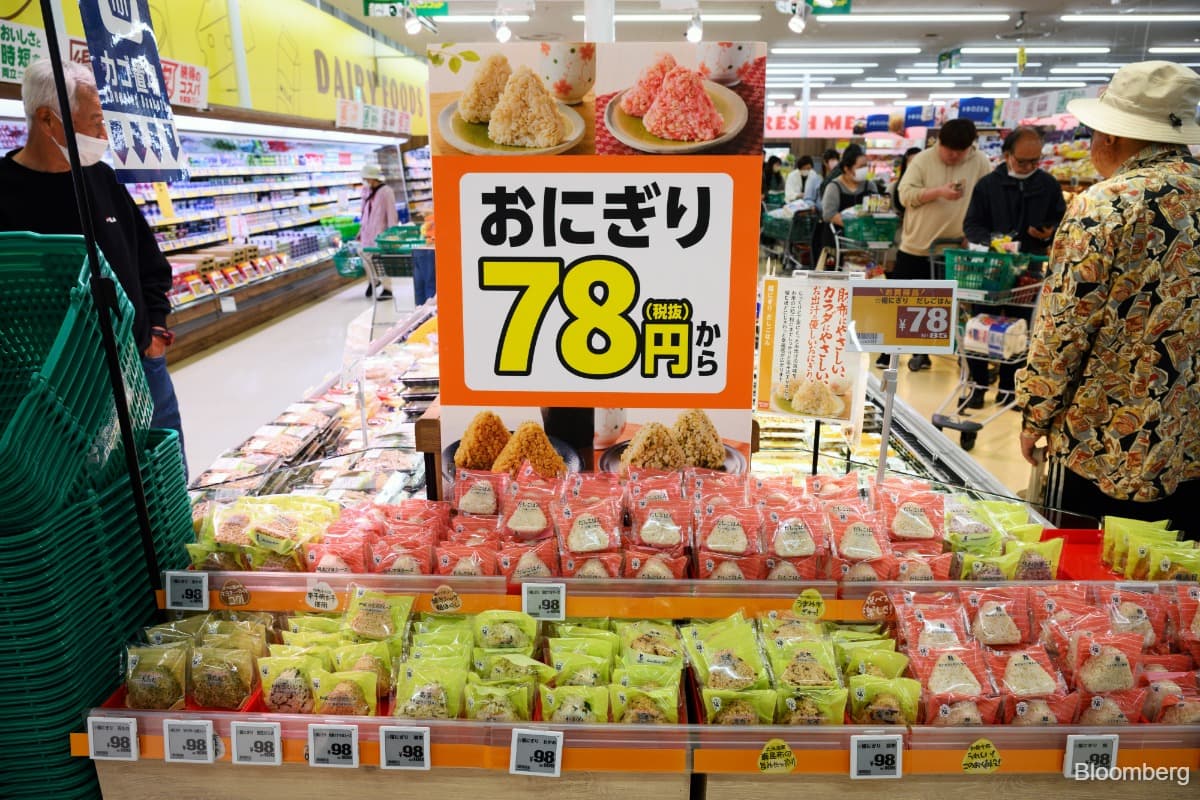
(July 28): The Japanese government plans to cut the sales tax on food and beverages to 1% for two years starting next April, according to local media reports, delivering one of Prime Minister Sanae Takaichi’s signature election pledges after months of political wrangling.
Takaichi is expected to instruct the ruling Liberal Democratic Party as early as Thursday to start putting together the draft legislation needed to implement the measure, the Asahi newspaper reported on Monday evening, citing multiple senior government officials. Reports by TBS and Nikkei also pointed to a reduction to 1%.
Even so, Takaichi’s expected announcement is unlikely to answer how the government will finance the measure’s annual cost of more than ¥4 trillion (US$24.4 billion or RM100 billion), leaving investors focused on Japan’s fiscal outlook and keeping upward pressure on government bond yields.
The move would come after a cross-party panel, tasked to discuss the measure, abandoned efforts on Monday to reach a consensus on the proposal. Members remained divided not only over how to finance the measure, but also over whether a tax cut should be permanent.
The government nevertheless opted to proceed broadly along the lines of a proposal put forward in June by the LDP’s Itsunori Onodera, chair of the panel. His plan would cut the food sales tax from the current 8% to 1% from April, while cash payments to eligible households totalling about ¥600 billion a year could begin in autumn 2027, broadly offsetting the remaining one percentage point of food taxes for those families.
The 1% cut, rather than a reduction to 0%, was chosen to reduce the burden of extensive reprogramming of cash registers for retailers. A working-level panel earlier estimated that implementing a 0% rate would take about a year, while a 1% — or any other whole-number—rate could cut that timeline roughly in half, helping drive policymakers’ decision to settle on a 1% rate.
Uploaded by Chng Shear Lane