

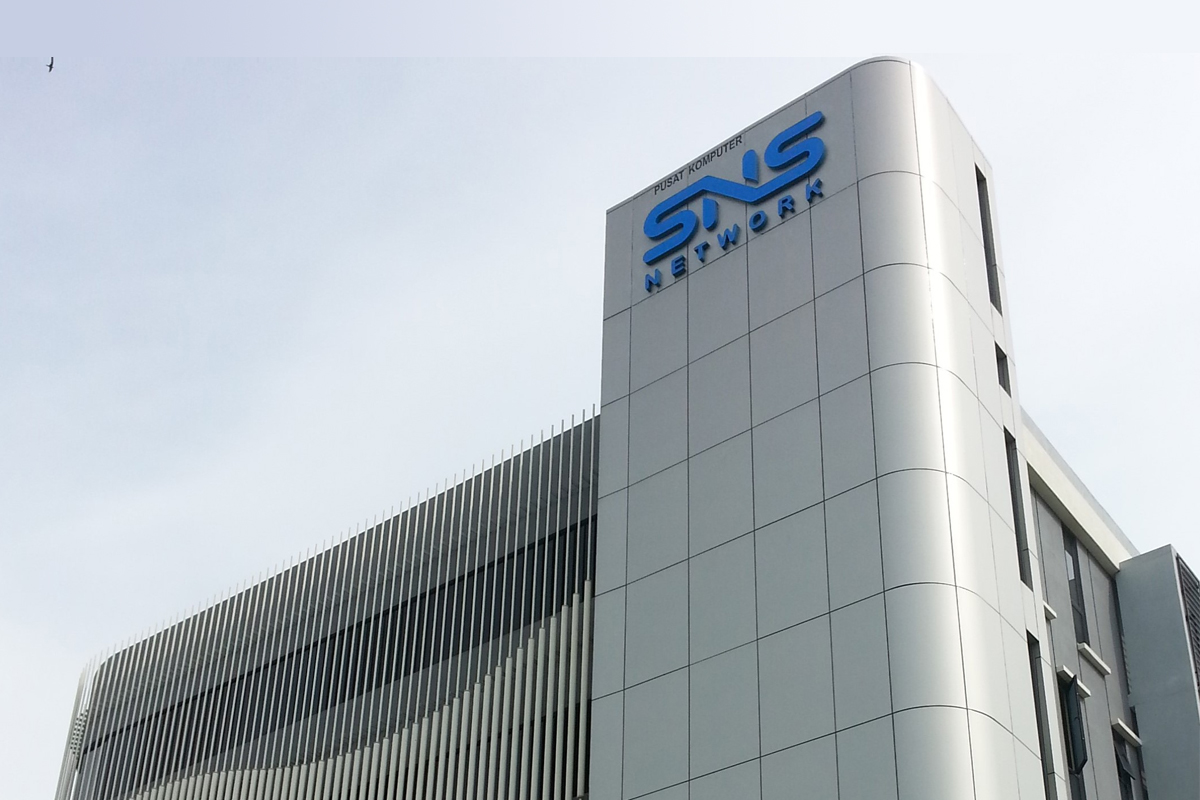
KUALA LUMPUR (July 27): SNS Network Technology Bhd (KL:SNS) has secured a US$298.66 million (about RM1.22 billion) contract to supply high-performance artificial intelligence (AI) servers — the largest contract in the group's history.
The contract follows a sales agreement signed on Sunday between its wholly-owned subsidiary SNS Network (M) Sdn Bhd and a Singapore-based customer for the supply, delivery and provision of high-performance AI servers for a data centre in Malaysia.
The customer is a Singapore-incorporated private company principally engaged in the publishing of game software and applications, according to the group's statement on Monday.
Shares of SNS rose as much as 13.4% to an intraday high of 58.5 sen on Monday before closing at 56 sen, up 8.74% or 4.5 sen. The stock ended at its highest level in five months, giving the group a market capitalisation of RM945.1 million.

The group said the contract is expected to contribute positively to future earnings and net assets, subject to the timing of deliveries and revenue recognition. It added that the deal reinforces SNS Network's strategic focus on AI infrastructure and reflects its continued investments in expanding its AI capabilities.
SNS managing director Ko Yun Hung said the contract demonstrates SNS Network's ability to deliver enterprise-grade AI infrastructure at scale while underscoring customers' confidence in the group's technical expertise, execution capabilities and long-standing partnerships with global technology leaders.
“As AI adoption accelerates across industries, demand for high-performance computing infrastructure continues to grow. Leveraging our expertise in deploying AI servers, we are well positioned to capture opportunities arising from increasing investments in AI data centres and enterprise AI deployments across the region," he added.
For the first quarter ended April 30, 2026 (1QFY2026), SNS's net profit fell 73.6% to RM2.71 million from RM10.24 million a year earlier, as revenue declined 45.9% to RM445 million from RM822.75 million, due mainly to the timing of product deliveries and higher operating costs.