

(July 24): Spiking energy prices, more US tariffs and mushrooming spending on artificial intelligence are reawakening investors’ inflation fears.
A week that began with spiralling violence in the Middle East has culminated in oil breaking through US$100 a barrel, which will lift costs along global supply chains. Alongside that came a renewed push for trade levies by President Donald Trump and yet more evidence of an untrammeled tech investment boom.
That triple whammy of potentially price-stoking phenomena hitting the global economy all at once has arrived at a sensitive time. Just as central bankers were seeing some relief on the inflation outlook, the situation has swung back again.
Within decisions looming next week from the Federal Reserve to the Bank of England, officials will need to make swift judgments on the fresh dangers.
No immediate interest-rate moves are currently anticipated, but a summer of inflation angst is now looking likely to persist in financial markets. Surging global bond yields are just one symptom of the alarm among investors that consumer prices risk getting out of control. In equity markets, the S&P 500 is on track for a second weekly decline.
“Recent events offer a reminder that geopolitics drives the economics, and not the other way around,” said Katharine Neiss, chief European economist at PGIM. “Negative supply shock pressures on headline inflation will continue to underpin central bank tendencies to lean hawkish.”
‘Massive attack’
The renewed energy hit follows a widening of the Middle East conflict that has now spread from the Strait of Hormuz to the Red Sea. Trump said he’s now considering a “massive attack” on Iran to push the nation to negotiate a peace deal.
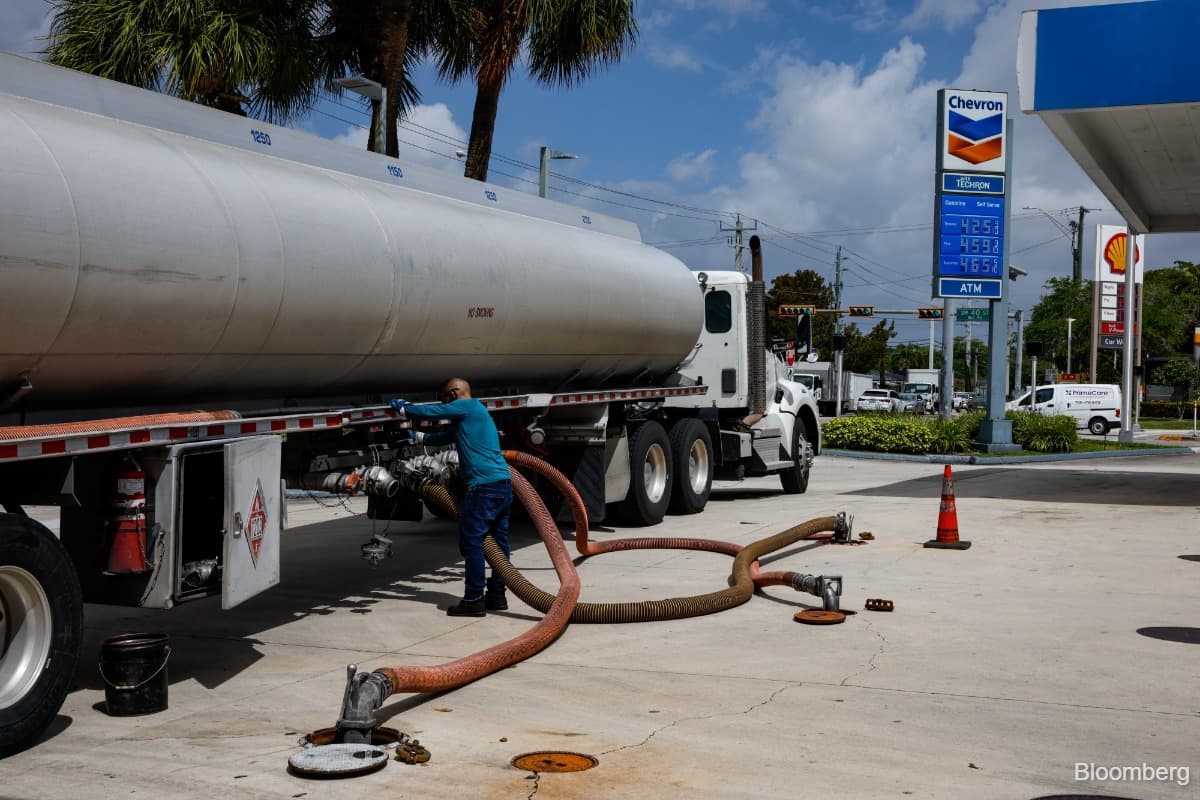
It’s against that backdrop that crude breached US$100 a barrel on Thursday for the first time in two months, and gas prices also surged.
The inflation risks, and associated fiscal worries, mean that bonds are tanking. Among the moves, UK gilt yields this week set their longest period of daily closes above 5% in almost two decades. The US 30-year yield is just below the most since 2007.
The danger posed by the cost-of-living hit from oil and gas is that its impact on consumers is often so immediate.
“The energy shock could intensify further,” European Central Bank president Christine Lagarde warned on Thursday. “The longer energy prices stay high, the more likely they are to drive up broader inflation.”
She admitted some colleagues questioned whether they should raise rates immediately, before the ECB then opted to wait. They are ready to do so in September if the inflation outlook doesn’t improve, according to people familiar with the matter.
It’s not only oil though. Trump’s administration presented investors with the prospect of renewed tariffs overnight, pledging to collect duties of between 10% and 12.5% on imports from most major trading partners. That’s the biggest move yet to reconstruct a tariff wall struck down by the Supreme Court.
Meanwhile evidence of the huge investment push into AI keeps on coming. On Thursday, Alphabet Inc raised its capital spending forecast to as much as US$205 billion (RM838.3 billion) this year.
Further fuelling some fears is evidence of pricing power among big corporates. Last month, Apple Inc raised the cost of all Macs, iPads, home devices and the Vision Pro to offset higher inputs caused by an unprecedented shortage of memory chips and storage.
Kamakshya Trivedi, chief FX and emerging markets strategist at Goldman Sachs, told Bloomberg Television that he’s more concerned about the energy shock and tech spending than tariffs.
“I’m much more worried about the inflationary impulse that’s coming out of the energy complex right now, that’s the one that I think we need to watch,” he said. “The longer term bigger factor here is the AI capex spend, and shifting views there I think are going to be a key driver of the cross market response.”
All the renewed inflation considerations will weigh on upcoming deliberations among monetary policy officials across the Group of Seven and elsewhere.
The outcome of the Fed meeting arrives on Wednesday, followed by the BOE and Bank of Japan on consecutive days.
Japanese policymakers are open to quickening rate hikes, people familiar with the matter said earlier this week. Data on Friday showed the country’s inflation gauge picked up for the first time in three months.
While numbers on Wednesday showed UK price growth at a 15-month low, that reprieve may short lived too.
None of the central banks meeting next week will reconvene until the second half of September, meaning that their messages may set the tone for weeks to come.
Most importantly of all, the prospect of the Fed raising rates has increased, according to Societe Generale chief economist Jan Groen.
“Each meeting after July is likely to be ‘live’, raising the probability of rate hikes this year,” he said. “Fed communication has become more hawkish.”
Uploaded by Magessan Varatharaja