

(July 21): UK inflation fell to its lowest level in over a year on cheaper motor fuel and food, a reprieve for households that may prove short-lived as a return to hostilities in the Middle East pushes up energy prices.
Consumer prices rose 2.6% in the 12 months to June, an easing from the 2.8% increase the previous month and the lowest rate since March last year, the Office for National Statistics said on Wednesday. It was below the 2.7% economists were expecting on average, the third month in a row price growth has undershot forecasts.
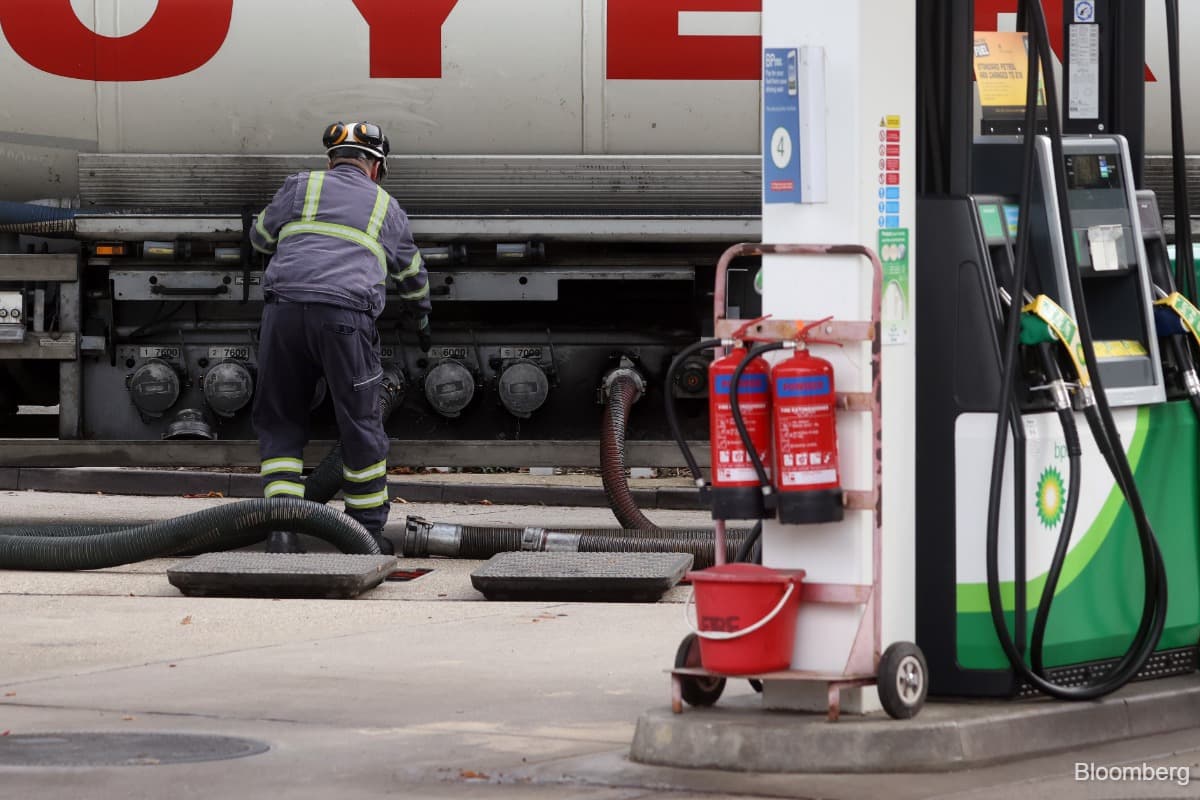
Petrol and diesel costs fell 3.1% last month after crude oil tumbled amid hopes of an end to the US-Iran war. Other downward pressures came from food inflation easing to its lowest since 2024 and heavy clothing discounts. Services inflation — a sign of domestic pressures being watched closely by the Bank of England — slowed to 3.6% from 3.7%, slightly higher than forecast.
However, the respite for consumers from falling inflation may be brief. Yael Selfin, chief economist at KPMG UK, said June is “likely to mark the low point for inflation this year, with higher energy bills set to complicate the short-term outlook".


Economists expect inflation to tick up in July when Britons were hit by a 13% increase in the price cap that sets household energy bills. With hostilities between the US and Iran escalating once again, crude oil is back above US$90 a barrel and gas prices have risen sharply in recent weeks.
Bets on interest rates were little changed following the release. Traders are pricing in at least one quarter-point hike from the Bank of England by the end of the year with little chance of a move at next week’s meeting. Inflation is running well below the levels the BOE had feared in the early months of the Middle East conflict, with weekly government data showing UK petrol prices have eased to around 152 pence (RM8.31) per litre, 4% below the peak in late May.
Living costs are a top priority of the new Labour administration with Prime Minister Andy Burnham promising to provide families “breathing space". In one of his first acts as premier, he announced the removal of value-added tax on household electricity bills from October, support the government estimates will reduce inflation by around 0.1 percentage points.
Clothing and footwear prices dropped 1.2% last month as summer sales got under way, while food prices fell 0.2% — taking annual food inflation to just 1.6% compared with rates of close to 5% late last year. The monthly drop was driven by products including chocolate, margarine and beef.
There was also evidence of pipeline price pressures easing, as the cost of fuel and raw materials used by producers fell for the first time this year, while factory output prices were unchanged.
The BOE is widely expected to keep interest rates on hold next week as it tries to balance the threat from higher energy prices against a weak labour market and sluggish economic growth. It will provide a new set of full forecasts alongside the decision on July 30.
“Even with energy inflation picking up, this is not an environment in which the BOE should be raising rates,” said Zara Nokes, global market analyst at JP Morgan Asset Management. “Further tightening would also risk unnecessarily weighing on activity at a time when domestic policy uncertainty is high.”
Uploaded by Arion Yeow