

The move would consolidate three of the world’s top suppliers of a growing segment of the electronics supply chain, which has been supercharged by the rush to build infrastructure for artificial intelligence work. Power-regulation chips are growing in importance as systems like Nvidia Corp’s next-generation Vera Rubin platform increase in complexity and power consumption.
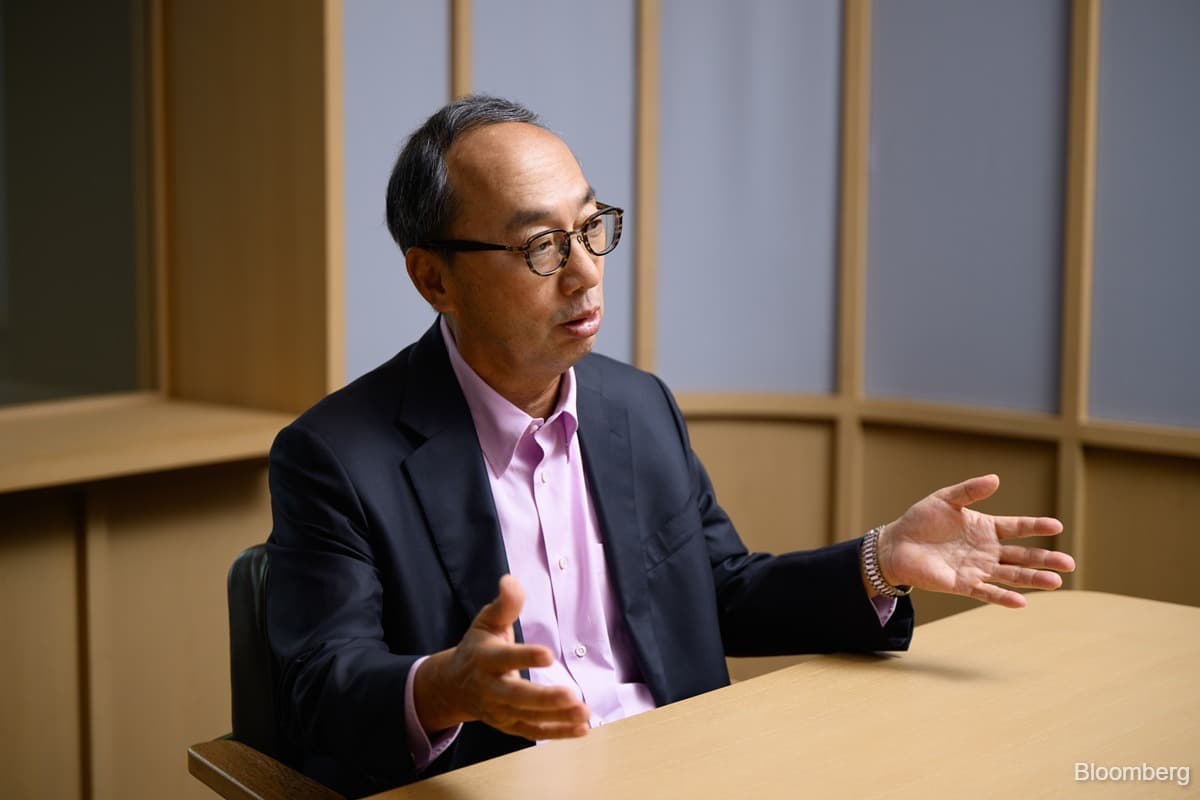
“Our goal is to integrate sales, manufacturing and development to build one single, robust company,” Mitsubishi Electric chief executive officer Kei Uruma said in an interview. The companies are working out the detailed terms of the agreement and making adjustments, he said. “We hope that by September, we’ll be able to announce our plan to establish the joint venture.”
For years, Japan’s Ministry of Economy, Trade and Industry has pushed the country’s chipmakers to consolidate to better compete against the likes of Germany’s Infineon Technologies AG, which controls nearly a fifth of the global power semiconductor market, according to Omdia. Mitsubishi, Toshiba and Rohm — which all have many other product offerings — each hold less than 5%.
Power chips are used to control and convert electricity in cars, data centres, industrial robots, home appliances and gadgets. While unglamorous, they are strategically important and a shortage can undermine Japan’s attempts to raise energy efficiency or hamper expansion plans for its industrial players.
In March, Mitsubishi Electric, Toshiba and Rohm said they’d begun talks to combine their chip operations. Rohm was also fielding a takeover proposal from auto-parts supplier Denso Corp., which later withdrew its bid.
Combining the three companies’ power-chip operations gives them a shot at becoming No. 1 in market share, Uruma said. Having so many domestic players leads to wasted resources, while teaming up with Rohm and Toshiba will lead to streamlined development and boost value added to chips, he said. “Combining our forces will allow us to go head to head with our global rivals,” he said, adding that there is a tentative consensus for Mitsubishi Electric to take the lead in the merged entity.
One major hurdle is deciding what products the new entity would supply, Uruma said. Toshiba and Rohm both demand that any new venture include a wide array of analog chips such as converters and drivers to continue serving existing customers, while Mitsubishi Electric wants the combined unit to focus on power chips, he said.
The heads of the three Japanese companies have met in person to find common ground, as working-level discussions were going nowhere.
“There’s only so much you can achieve through endless discussions,” Uruma said. “At some point, you have to make a proper decision and act on it.”
Japan’s government incentivises mergers by requiring power-chip companies to make investments of at least ¥200 billion (US$1.2 billion) involving other companies to qualify for subsidies. That compares with the ¥30 billion threshold for other semiconductor projects under Prime Minister Sanae Takaichi’s push to bolster domestic chipmaking.