

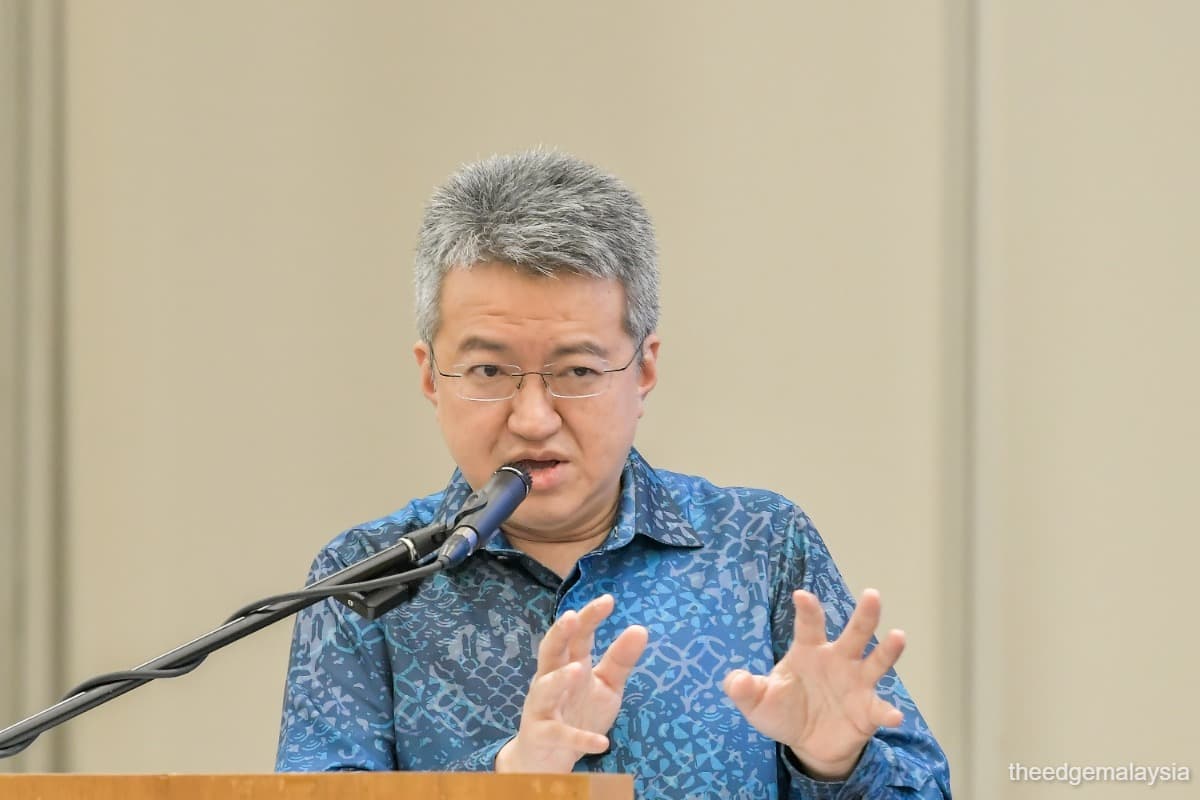
KUALA LUMPUR (July 15): While elevated crude oil prices drive up the government’s subsidy bill, the Ministry of Finance said higher petroleum-related revenue will partially offset that fiscal strain.
The government estimates that every US$1 per barrel change in global oil prices increases federal petroleum revenue — excluding PETRONAS dividends — by RM300 million, Deputy Finance Minister Liew Chin Tong said.
“This increase in revenue can help offset part of the additional pressure on fuel subsidy expenditure,” Liew told the Dewan Rakyat on Wednesday.
In January and February, prior to the West Asia conflict, the fuel subsidy bill stood at RM800 million a month.
The government’s fuel subsidy bill stood at RM5 billion a month in March and April, before easing to RM4 billion in May and June as fuel prices moderated, Liew noted.
“Oil prices have continued to moderate in July and should current prices remain at these levels, the government is expected to bear petroleum product subsidies amounting to almost RM40 billion in 2026, subject to developments in the West Asia crisis,” the deputy minister said.
Brent crude is rising again after US President Donald Trump announced a blockade on Iranian vessels in the Strait of Hormuz and offered US protection to other ships for a 20% fee — only to reverse it a day later.
At the time of writing, it stands at US$85.92 per barrel. Pre-war, it stood between US$70 and US$80 per barrel. During the conflict, it hit a peak of US$144.50 per barrel on April 7.
Liew was responding to a question from Bachok Member of Parliament Mohd Syahir Che Sulaiman on the government’s latest assessment on the impact of the West Asia conflict on the country’s fuel subsidy expenditure and how the increase could affect the fiscal deficit target for 2026.
At this juncture, Liew said the government’s intervention measures have helped maintain its level of expenditure without significantly affecting the country’s fiscal position.
“If necessary, revisions to the 2026 fiscal projections will be announced during Budget 2027, after taking into account the latest economic indicators and revenue collection and expenditure performance through the first half of 2026,” he said.
Liew also said the government remains confident that the medium-term fiscal consolidation trajectory can be sustained through the implementation of targeted subsidies, restructuring of expenditure priorities, continuous efforts to improve expenditure efficiency, and strengthening revenue collection and tax compliance.
Meanwhile, Liew reiterated the government’s position that it will not reduce any existing subsidies.
For more Parliament stories, click here.