

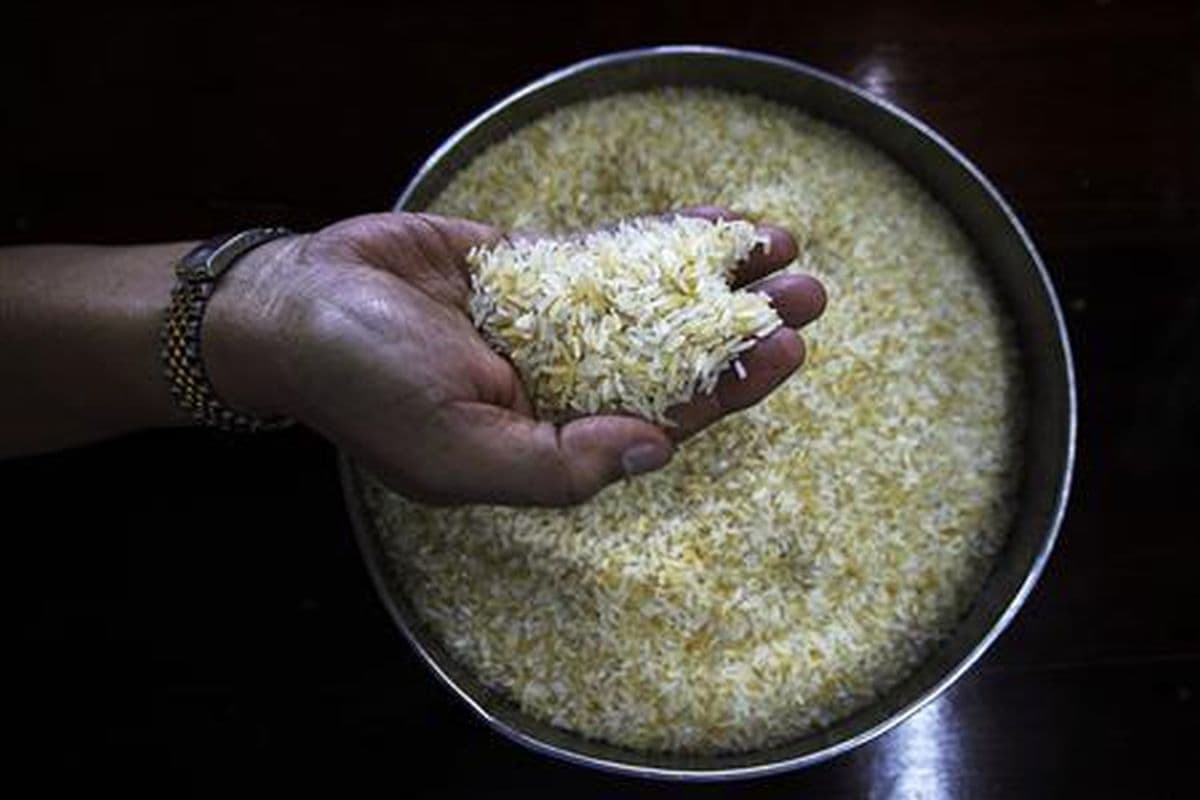
KUALA LUMPUR (July 13): After passing amendments to the rice control law, the government will review existing rice grades to align with current industry requirements.
The Control of Padi and Rice (Amendment) Bill 2026 was passed in Dewan Rakyat via majority voice vote on Monday. To become law, it must now clear the Dewan Negara and receive Royal Assent from the Yang di-Pertuan Agong.
“These amendments will provide the ministry with the flexibility to update existing rice grade categories that have existed since 1992, so that they are aligned with current industry needs while ensuring that the public continues to enjoy stable and secure rice supplies,” Deputy Agriculture and Food Security Minister Datuk Chan Foong Hin said in wrapping up the debate on the Bill.
Current grades include Standard, Premium, Super Special Local (Super Special Tempatan) and Super (Import), which “many members of the public may not understand”, Chan said.
“Therefore, we intend to review these rice grade classifications. We may instead classify rice according to categories such as 5% broken local white rice, brown rice, glutinous rice, broken rice, specialty rice, rose rice, and so on,” he noted.
This will also address the issue of regulating the practice of mixing of different grades of rice, which previously had no clear regulation, he added.
Meanwhile, on the proposed hikes in general penalties under the Control of Padi and Rice Act 1994, which are deemed hefty by some quarters, Chan noted that there has not been an amendment since the law’s enactment in 1994.
“After almost 32 years, the existing penalties are no longer relevant to deter offenders,” he said, adding the government found such low level of penalties constituted a significant enforcement loophole.
While the value of seized rice in smuggling cases was extremely high, the amount of penalties imposed remained very low because the existing ceiling was inadequate, he explained.
Under the current law, general penalties stand at up to RM15,000 (first offence) and RM25,000 (repeat offences) for individuals, while companies can be fined up to RM25,000 and RM50,000, for the respective offences.
Fines are now proposed to be increased to RM250,000 (first offence) and RM500,000 (repeat offences) for individuals, while companies can be penalised by up to RM500,000 and RM1 million.
Chan also noted that specific penalties can be imposed on specific offences prescribed under Subsection 29(1) — the minister’s power to make regulations. “Such offences would carry specific penalties, namely a fine not exceeding RM15,000, imprisonment not exceeding six months, or both,” he said.
For more Parliament stories, click here.