

The Ministry of Defense will be called on to explain to the PAC on the implications of Norway’s decision to scrap a missile deal.
SEPANG (June 11): The Ministry of Defence will be asked to explain to a bipartisan parliamentary committee on the implications of Norway’s decision to scrap a missile deal.
The Public Accounts Committee (PAC) has already written to the ministry seeking clarification and will hold a joint briefing with the Parliamentary Special Select Committee on Security, according to its chairman Datuk Mas Ermieyati Samsudin.
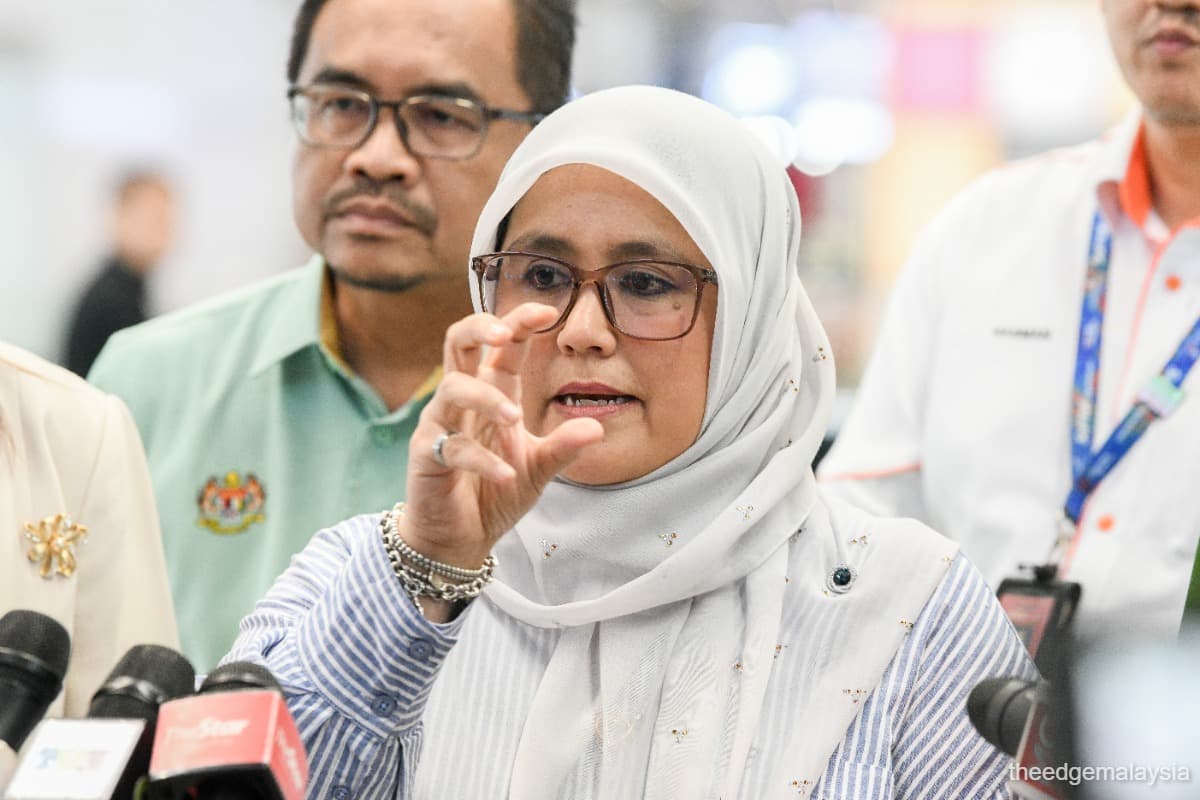
"We will call the ministry to appear before the PAC to provide clarification and a briefing to both the PAC and the Select Committee on Security," she told reporters after a working visit to Kuala Lumpur International Airport on Thursday.
The unilateral cancellation by Norway has resulted in a diplomatic row with Malaysia that had paid up nearly all of the value of the contract signed in 2018. Norway revoked its approval for the export of the Naval Strike Missiles before its scheduled shipment over national security concerns.
Norway said the decision was linked to stricter controls on exports of sensitive defence technologies, which would be limited to its allies and closest partners. In response, Malaysia is seeking over RM1 billion in damages from the Norwegian manufacturer, Kongsberg Defence & Aerospace.
The issue adds to the long-running challenges surrounding the littoral combat ship programme, one of Malaysia's largest and most scrutinised defence procurements.
On Thursday, Mas Ermieyati said the PAC wants to understand the circumstances surrounding Norway's decision, its impact on the programme and the government's plans to address the matter.
Originally awarded in 2011, the programme was intended to deliver six Maharaja Lela-class combat ships to strengthen the navy's surface fleet. However, the project has been plagued by years of delays, cost overruns and governance concerns.
The project's cost has risen to more than RM11 billion from its original contract value of RM9 billion, while delivery schedules have repeatedly pushed forward. The first vessel, originally expected years ago, is now scheduled for delivery by the end of 2026.