

This article first appeared in The Edge Malaysia Weekly on June 8, 2026 - June 14, 2026
The functions of conventional trust companies are quite simple. They are to administer the estate and other assets of their clients for the benefit of specified beneficiaries. The beneficiaries can be the children or other dependants of the clients.
The services of the trust company are to essentially ensure wealth preservation. The assets are not to be invested in risky products, especially shares, bonds and unit trusts.
Typically, trust companies invest the assets of their clients in relatively risk-free instruments such as fixed deposits, real estate, gold and investment-linked insurance products. They do not invest in capital market products such as equities and bonds, nor are they involved in deals related to private lending.
But of late, several trust companies have deviated from their original scope and mandate.
Some of the trusts offer clients projected returns on a “best effort basis” for putting money into the firm. The projected returns are up to 11% per annum.
Some offer quarterly returns, having informed their clients that their money is put into products related to equities, unit trusts and bonds. In return for the quarterly returns, the money is tied up with the trust company for a fixed period of five years, and any early redemption comes with a penalty.
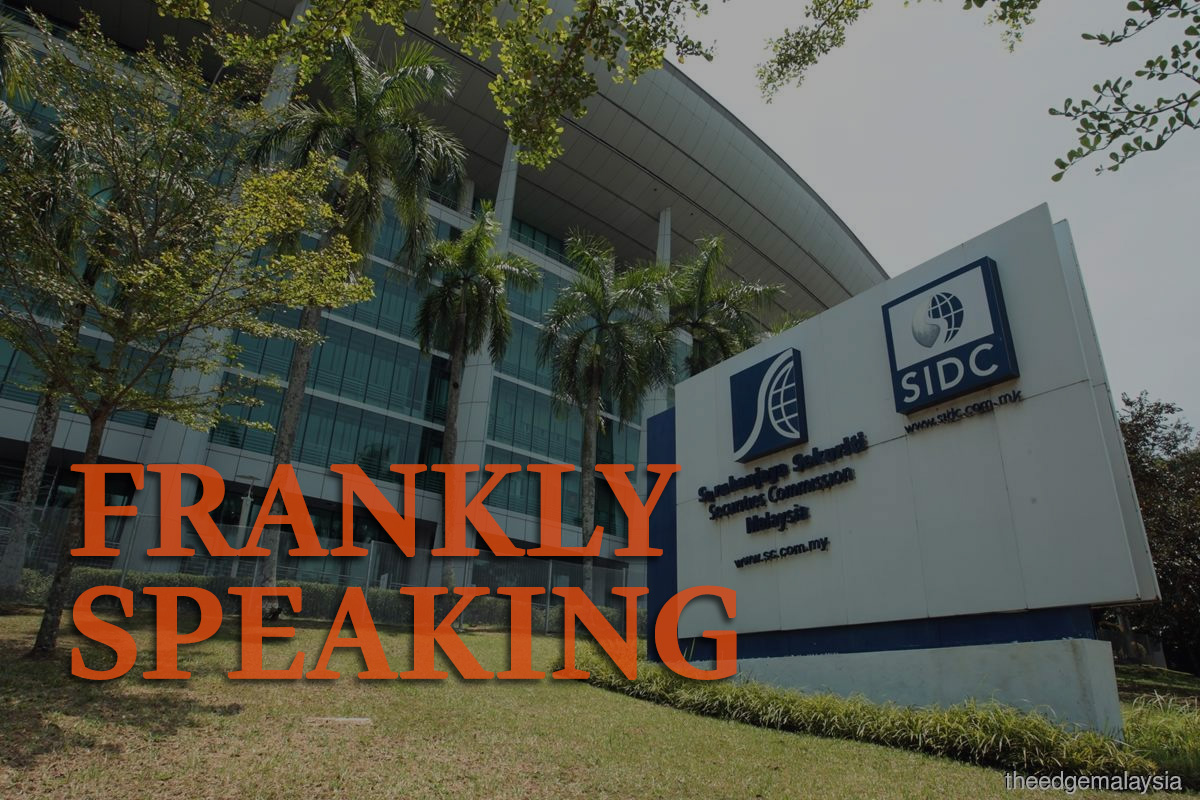
The Securities Commission Malaysia (SC) has come up with new regulations requiring trust companies that offer clients products with projected returns to be licensed. The SC’s logic is that if trust companies engage in products that offer regulated returns, the companies themselves have to be licensed.
Such regulations are indeed timely because of the increasing number of investors putting money into trust companies that offer projected returns on a “best effort basis”. It is unclear if these trust companies inform investors that the projected returns on a “best effort basis” also mean there could be reduced or no returns on their investment.
Save by subscribing to us for your print and/or digital copy.
P/S: The Edge is also available on Apple's App Store and Android's Google Play.