

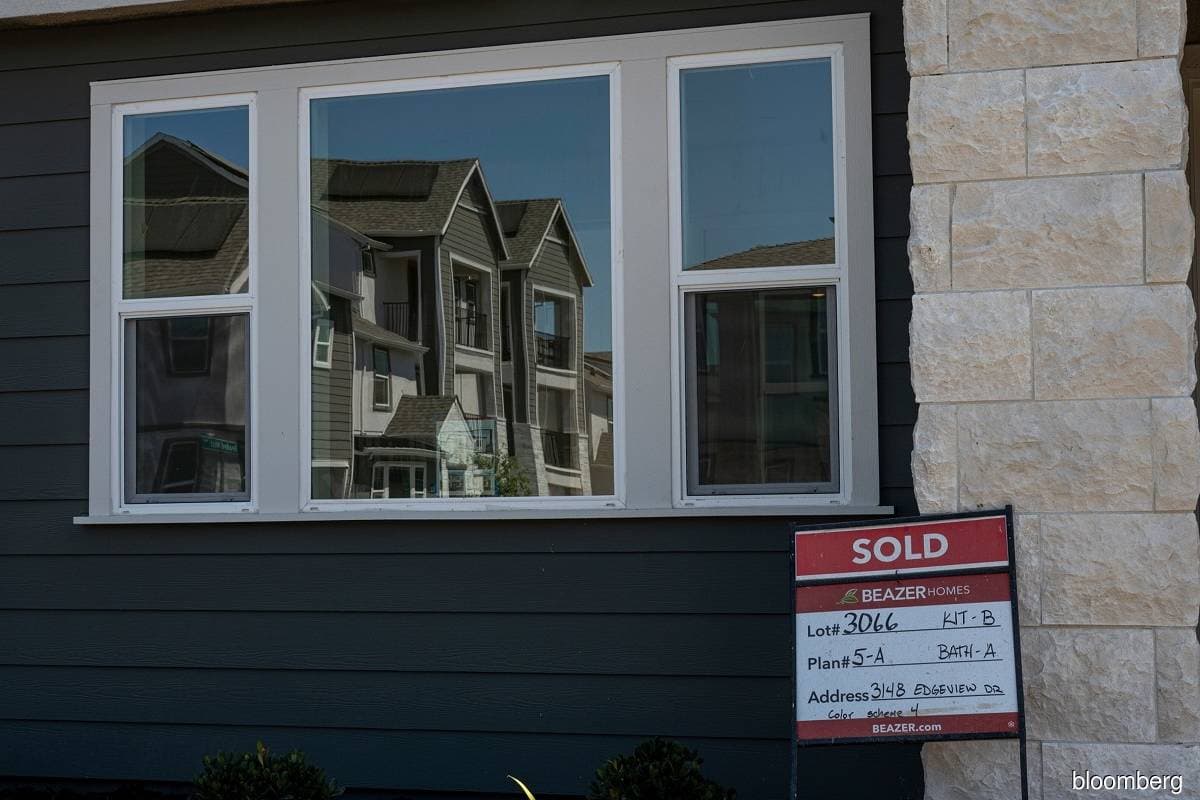
(May 27): The rate on the most popular US home loan rose to a nine-month high last week, as the Iran war kept oil prices elevated, fuelling inflation concerns and pushing benchmark US Treasury yields higher.
The average 30-year fixed-rate mortgage rose nine basis points to 6.65% in the week ended May 22, the Mortgage Bankers Association said on Wednesday. It was last higher in August 2025, before the Federal Reserve began a series of interest rate cuts to head off further labor market weakening.
The US labour market has since stabilised, with the unemployment rate now at the same 4.3% it was last August.
Meanwhile inflation has picked up, with consumer prices rising 3.8% in April from a year earlier compared with 2.9% in August. Worried that the increase is not just due to a temporary rise in energy prices but could be more persistent, a growing number of Fed policymakers say they may need to consider raising the interest rate.
Mortgage applications dropped 8.5% from a week earlier, the MBA said, driven largely by a decline in refinancing.
The latest rise in mortgage rates came as Kevin Warsh took over as the Federal Reserve's new chair, succeeding Jerome Powell, whom President Donald Trump had criticised tirelessly for keeping interest rates too high. Hours after Warsh was sworn in at a White House ceremony, Trump said he expected rates to come down.
In contrast, financial markets are now pricing in the possibility of a Fed rate hike by year's end.
Mortgage rates are loosely tied to the Fed's short-term policy rate, though they follow the 10-year Treasury yield much more closely.
Yields on US government bonds have fallen this week on hopes of a breakthrough deal to reopen the Strait of Hormuz.
Uploaded by Magessan Varatharaja