

KUALA LUMPUR (May 25): At least 80% or eight out of 10 Malaysians would back another tobacco hike this year — with the figure rising to 91% or nine out of 10 if the revenues are earmarked specifically for health and social programmes — according to a nationwide survey by an independent think tank.
The survey, conducted by the Social & Economic Research Initiative (Seri), which focuses on healthcare and social policy, revealed that while the general support for another immediate tax increase stands at a strong 80% majority, that backing increases further when the public knows that the collected funds will directly benefit public health and social welfare initiatives.
The survey polled 3,200 respondents after the government's decision last year to lift a decade-long excise duty freeze with a tobacco tax hike in November 2025. It found that 86% of Malaysians supported the higher tobacco tax, while 55% said the increase should have been even higher.
The November tax hike saw the increase of excise duty by two sen per stick for cigarettes, while taxes on cigars, cheroots and cigarillos were increased by RM40 per kilogramme; heated tobacco products were subject to an additional RM20 per kilogramme of tobacco content. Malaysia, which imposes the tobacco tax primarily to curb smoking, has earmarked revenue from the increased tax — together with a 10% hike in excise duty on alcoholic drinks — for the country's health expenditure.
The survey found that the public was far more accepting of tobacco tax increases than other tax measures, with more than half of respondents supporting higher tobacco taxes compared with only 16% for the expansion of the sales and service tax or SST.
In releasing the survey, Seri proposed a minimum 5% annual increase in tobacco taxes, saying cigarette prices in Malaysia have become cheaper in real terms over the past decade.
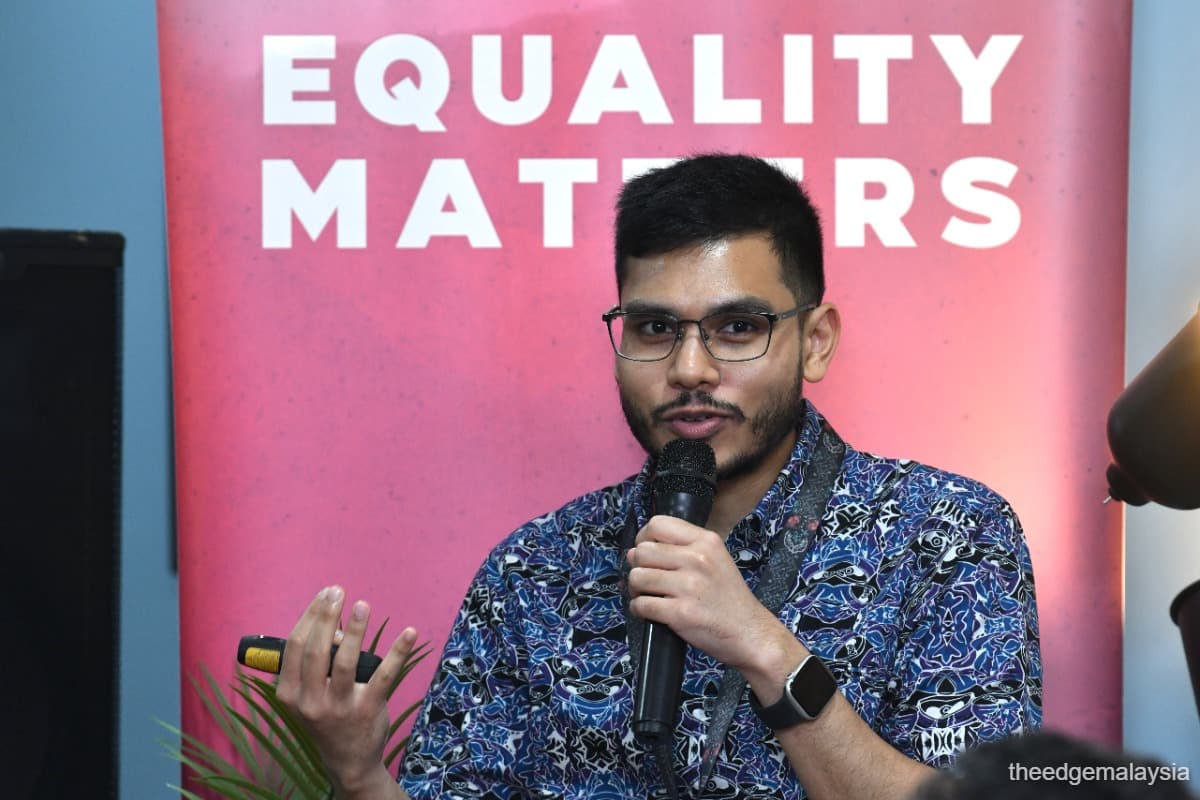
Seri senior researcher Muhammad Daniel Kittu told a media briefing on Monday that the prolonged freeze on tobacco excise duties since 2016 has caused cigarette prices to fall by about 12% in real terms, while the prices of staple food items — such as nasi lemak, white rice, roti canai and satay — rose by as much as 48% in real terms over the same period.
“This is very concerning, and it is important to address cigarette consumption through tobacco taxation,” said Muhammad Daniel.
On the fiscal front, the think tank projected that a 5% annual increase in tobacco taxes could raise revenue by 13.8%, from about RM4.4 billion to RM5 billion by 2030. It noted that cigarettes remain price ineleastic — meaning demand doesn't drop sharply when prices rise — so the tax hike will generate higher overall revenue despite an estimated 5.6% drop in consumption, even after accounting for illicit trade.
Muhammad Daniel also argued that higher tobacco taxes are not the main cause of illicit cigarette trades, pointing instead to weak enforcement and corruption that have allowed smuggling to happen. As an example, he cited Australia and the United Kingdom as among countries with much higher cigarette prices that have still managed to record lower levels of illicit cigarette trades.
Hence, Seri recommended a minimum 5% annual increase in tobacco excise duties, while calling for part of the additional revenue to be earmarked for healthcare and social programmes, saying this would strengthen public support while improving health outcomes.
The think tank further urged tighter regulation of vape products, either through higher taxes or an outright ban, citing growing concerns over nicotine vape use.
In December 2025, Health Minister Datuk Seri Dzulkefly Ahmad said the Cabinet had agreed in principle to a complete nationwide ban on vaping, saying the question is no longer an 'if' but 'when', citing severe public health alarms, including rising cases of "vape-induced psychosis" caused by illegal liquids mixed with synthetic drugs and cannabis.
Putrajaya is reportedly planning to fully enforce this ban by mid-to-late this year.