


KUALA LUMPUR (May 15): Malaysia’s central bank said inflation may accelerate towards the upper end of the forecast range as businesses and households take hits from the ongoing Middle East conflict.
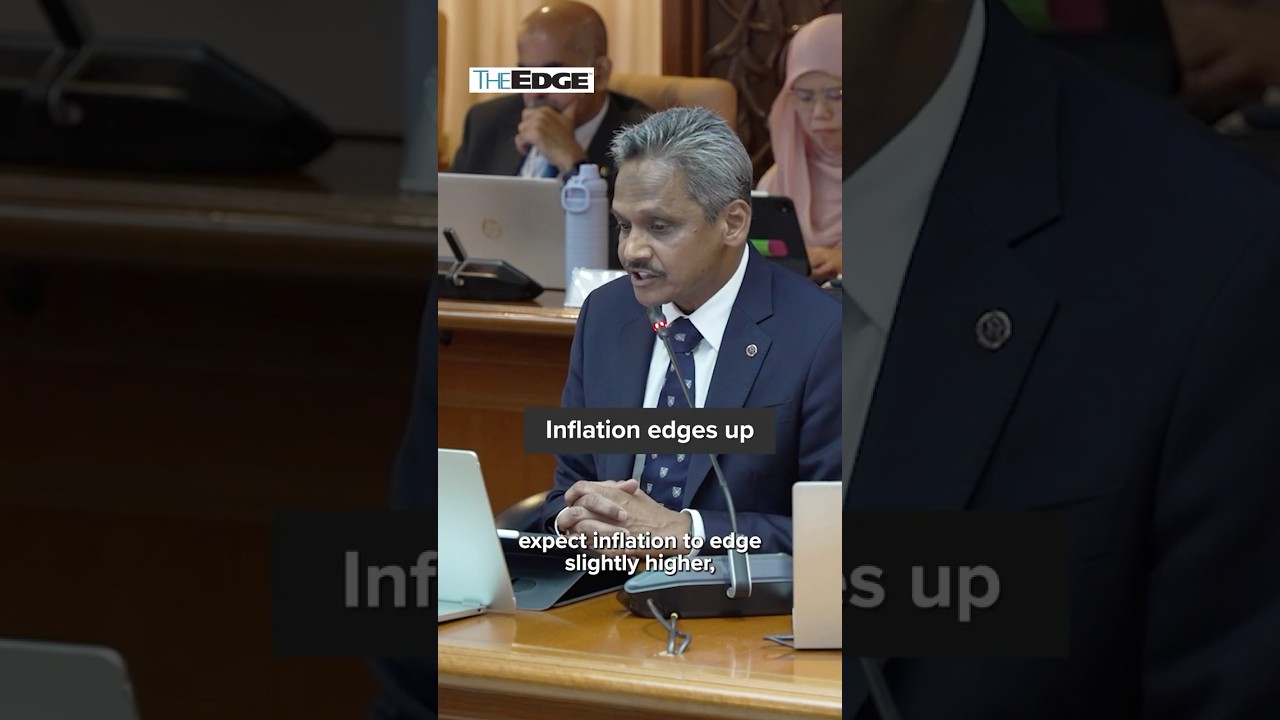
Higher price pressure has started to build up due to the external supply shocks linked to the geopolitical tensions, Bank Negara Malaysia (BNM) governor Datuk Seri Abdul Rasheed Ghaffour said at a news conference on Friday. The forecast for inflation is between 1.5% and 2.5% this year.
Inflation has remained manageable and “contained”, allowing the central bank to maintain the forecast for now, he said. “This reflects the limited global cost conditions and their gradual transmission along the domestic production chains,” Abdul Rasheed noted.
Malaysia’s factory-gate prices in March rose for the first time in a year and saw the biggest month-on-month jump in more than two decades amid a surge in crude oil, water, and electricity.
Consumer prices — the preferred gauge of inflation for the government and the central bank — have only picked up slightly to 1.7% in March thanks to a system of subsidies and price control on essential goods and services.
Inflationary pressures have been largely supply-driven rather than demand-driven, Abdul Rasheed said.
While certain industries like plastics have started to see higher operating and imported input costs due to disruptions linked to the Middle East crisis, there is still no sign of broad-based price increases across the economy, he noted.
On the ground, businesses have already begun taking mitigating measures, including improving operational efficiency, automation and digitalisation, in order to manage rising costs and cushion the impact on margins, Abdul Rasheed added.
NEWS: BNM sees inflation edging up but still contained