

This article first appeared in The Edge Malaysia Weekly on May 11, 2026 - May 17, 2026
WHILE Penang and Kulim continue to hog the limelight as Malaysia’s semiconductor powerhouses, Perak has been quietly building up its own position in the northern region’s chip supply chain.
Often overlooked in the broader Malaysian semiconductor narrative, Perak — located in the northwest of the peninsula — has been home to some of the country’s largest outsourced semiconductor assembly and test (OSAT) players, including Unisem (M) Bhd (KL:UNISEM) and Carsem (M) Sdn Bhd.
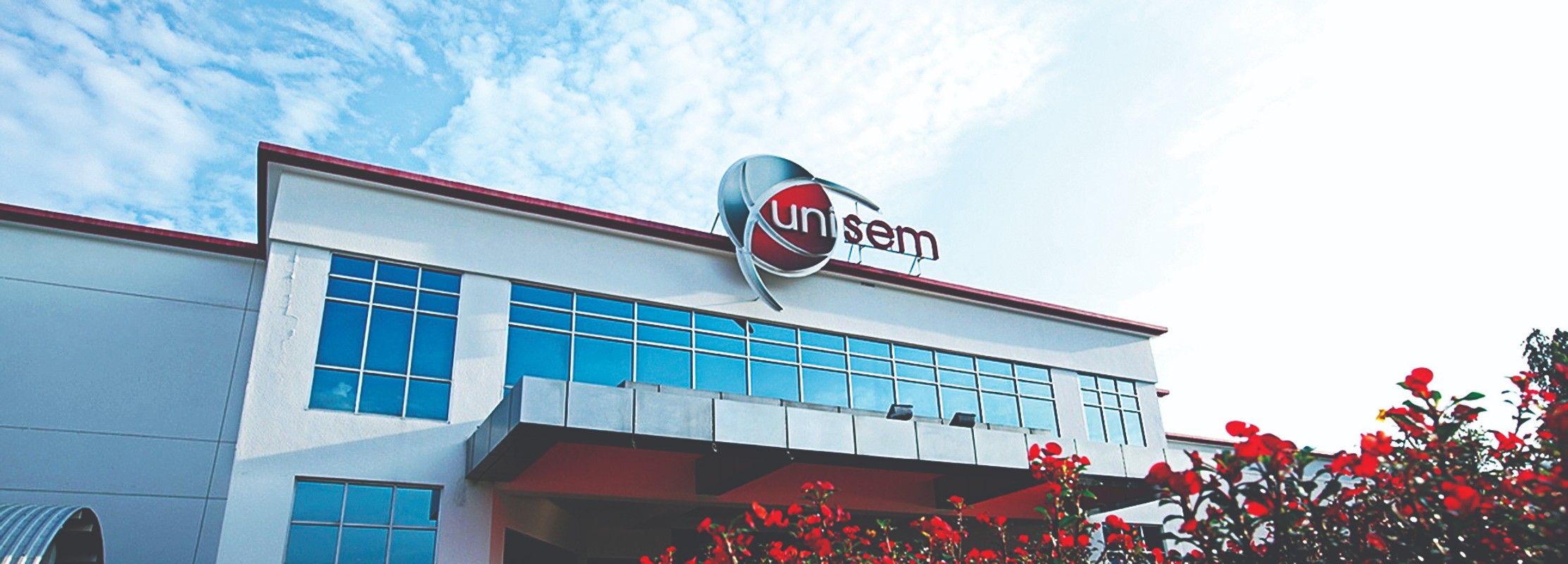
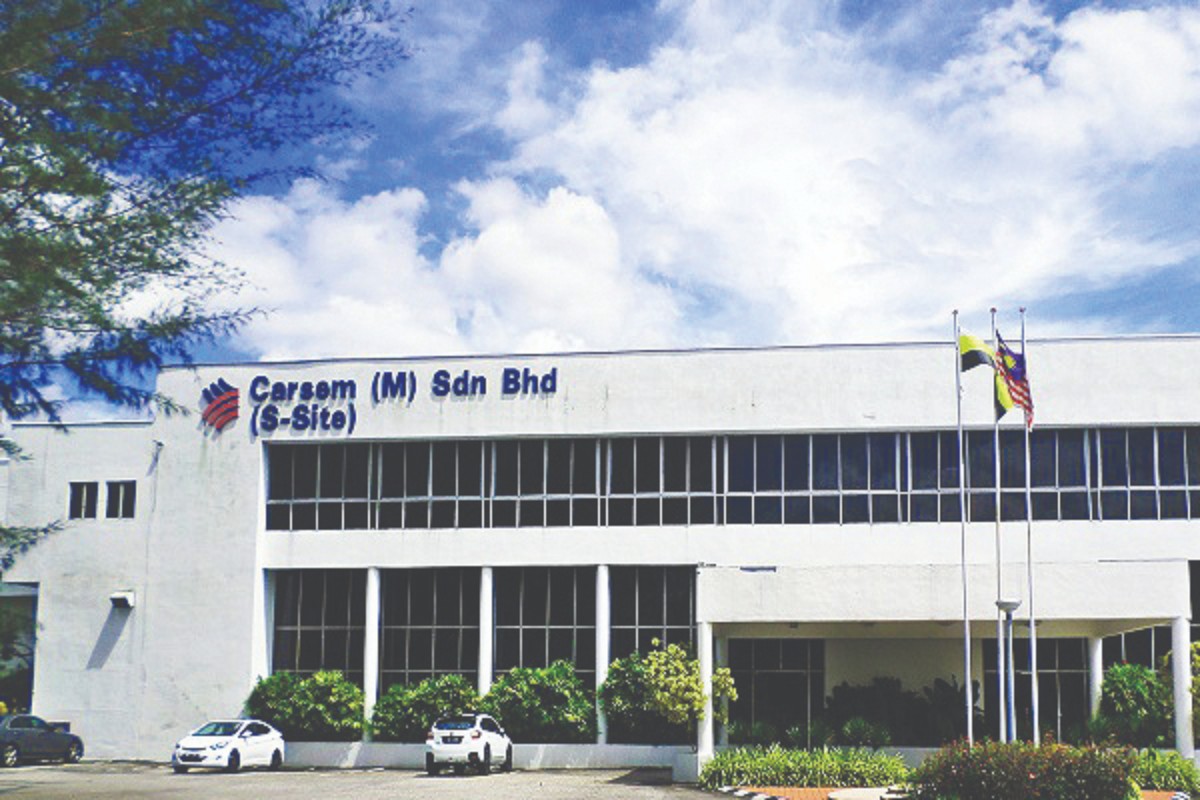
Both companies have been embedded in Perak’s industrial landscape for more than two decades, forming part of the backbone of Malaysia’s back-end semiconductor ecosystem.
Unisem, spearheaded by chairman and group managing director John Chia Sin Tet, operates a full turnkey assembly and test services facility in Ipoh. With 63,000 sq ft of factory floor space, Unisem’s Ipoh site provides a full range of probe, test, engineering and other test-related services.
Carsem, a unit of Malaysian Pacific Industries Bhd (KL:MPI) and a member of Hong Leong group, operates three factories in Ipoh.
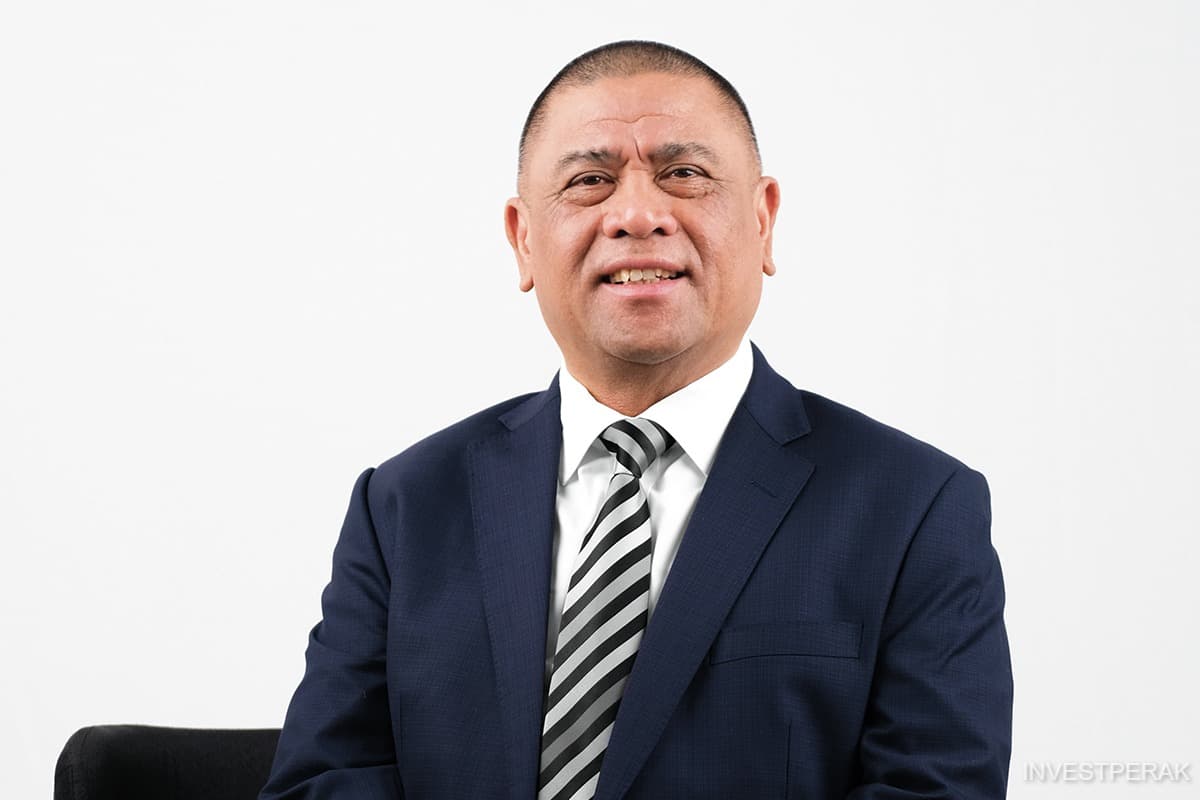
In a recent email interview with The Edge, Perak Menteri Besar Datuk Seri Saarani Mohamad says: “We are proud to highlight that these two companies (Unisem and Carsem) represent key pillars of our E&E (electrical and electronics) industry. Having operated in the state for more than 25 years, they have consistently demonstrated long-term commitment through multiple expansion projects over the years.”
Historically, Perak’s role has been largely defined by its function as an expansion and support base to the more mature clusters in neighbouring states, offering industrial land, cost efficiency and workforce capacity as firms scale beyond more congested hubs.
This positioning has allowed the state to remain closely integrated with the region’s semiconductor supply chain, even if it has not always been in the spotlight.
“Rather than being overlooked [previously], Perak has benefited tremendously from the natural expansion of the ecosystem in Penang and Kulim. As companies grow and require larger industrial space, cost-efficient operations and workforce expansion, Perak provides an attractive and practical location for their next phase of growth,” says Saarani.
Perak is, however, outgrowing its supporting role. As global supply chains diversify and demand for semiconductor capacity continues to rise, the state is well positioned to play a “significantly larger role” in Malaysia’s semiconductor and E&E growth story by leveraging its established capabilities in downstream processes such as semiconductor packaging and testing, says Saarani.
The state can offer not only industrial capacity but also workforce support and supply-chain depth. “At the same time, we remain open to investments from upstream players, including those involved in wafer fabrication and integrated circuit (IC) design.”
To support this strategic direction, the federal government has initiated the development of a new industrial hub, the Kerian Integrated Green Industrial Park (KIGIP). Slated for completion by end-2028, KIGIP is a flagship project designed to attract E&E and semiconductor companies, establishing Perak as a strategic base for the global market.
Currently, development efforts are focused on foundational works, including earthworks and soil treatment.
“Global supply chain diversification, sustained growth in semiconductor demand, and continued expansion in Penang and Kedah are creating strong spillover opportunities for the state. Over time, the state aims to attract more high-value and technology-driven investments, creating skilled employment opportunities and further strengthening Malaysia’s position as a global semiconductor hub,” says Saarani, 65, who has served as Perak’s 13th MB since December 2020 and is also state chairman of Umno and Barisan Nasional.
Addressing brain drain
To address the state’s talent exodus, the state government is moving beyond basic job creation to building a sustainable, high-value ecosystem under the Perak Sejahtera 2030 Plan, a strategic development plan to transform the state into a high-income one by 2030.
A key strategy involves strengthening the “education-to-employment” pipeline via its dedicated agency, Pusat Aspirasi Anak Perak (Pasak), which serves as a bridge between jobseekers and employers through the centralised database of Talent Perak, an online career platform and mobile application that it developed.
“This service is vital for companies to access the human resources needed to drive productivity and growth,” Saarani says.
Simultaneously, Perak is establishing high-impact industrial anchors — such as the KIGIP, Automotive Hi-Tech Valley (AHTV) and Lumut Maritime Industrial City (LuMIC) — to provide the high-income professional roles necessary to retain local talents.
According to Saarani, the availability of a skilled and trainable workforce, supported by universities and technical and vocational education and training (TVET) institutions, further strengthens the state’s value proposition.
Meanwhile, as the world moves further into the AI-driven and automotive era, he is confident that OSAT firms in the state will continue to play a critical role in the E&E supply chain.
“This is evident in the growing number of multinational corporations leveraging their back-end capabilities, particularly in semiconductor testing and packaging services,” he says.
Other notable players that Perak hosts in the semiconductor and broader E&E sectors include Murata Electronics, Coherent Corp, Yamaha Electronics, Kamaya Electric and PSA Group.
“Many of these companies are strategically located in Ipoh’s industrial zones to leverage proximity to the hubs in Penang and the Klang Valley,” says Saarani.
Perak’s strategic location between the semiconductor hubs of Penang and Kuala Lumpur offers cost-competitive access to major gateways such as Port Klang and Penang Port. This connectivity is further enhanced by the PLUS North-South Expressway and West Coast Expressway.
While OSAT activities remain an important foundation for semiconductor presence in Perak, the industry is steadily evolving towards higher levels of automation, advanced manufacturing and more technology-driven supporting activities, he notes.
Growing confidence
From a broader perspective, Perak’s investment landscape has strengthened significantly, reflecting growing investor confidence in the state’s industrial ecosystem and long-term positioning within Malaysia’s manufacturing value chain, says Saarani.
In 2025, Perak recorded RM15.76 billion in approved investments across 560 projects, which are expected to generate 10,704 jobs.
“This represents strong investment momentum and a clear improvement compared to previous years,” he says, adding that the investment mix remains healthy, with RM10.55 billion in domestic direct investments (DDIs) and RM5.21 billion in foreign direct investments (FDIs).
The achievement far exceeds those of previous years, he notes, pointing to the RM8.76 billion in total approved investments in 2024, RM8.5 billion in 2023 and RM6.61 billion in 2022. “This three-year comparison indicates an upward trend and significant growth, demonstrating continuous investor confidence in Perak,” he says.
In the manufacturing sector, the state recorded RM9.39 billion in approved investments in 2025 — comprising RM4.42 billion in DDIs and RM4.96 billion in FDIs. According to Saarani, this performance places Perak among the top five states in Malaysia.
Perak continues to position itself as a competitive, cost-efficient investment destination as it transitions towards being a high-value manufacturing and technology hub.
According to Saarani, manufacturing remains the main driver of investment inflows, particularly in high-value, export-oriented industries. “The transport equipment sector is the largest contributor, followed by food manufacturing, E&E and non-metallic minerals.”
He adds that the state is focused on balancing foreign and domestic investments by developing key sectors, including automotive high-technology, E&E, downstream mineral activities, the halal industry and the digital economy. “This vision is supported by close partnerships with stakeholders such as the Ministry of Investment, Trade and Industry (Miti) and the Malaysian Investment Development Authority (Mida), which provide special tax incentives under the New Incentives Framework.”
Beyond tax benefits, state-level incentives focus primarily on facilitating investment proposals, says Saarani. “This support is crucial in ensuring that projects are implemented smoothly.”
Through the state’s primary investment promotion agency InvestPerak, the state government offers fast-track approvals, ensuring all relevant agencies are aligned to provide immediate assistance.
Save by subscribing to us for your print and/or digital copy.
P/S: The Edge is also available on Apple's App Store and Android's Google Play.