

KUALA LUMPUR (May 7): The Institute for Democracy and Economic Affairs (IDEAS) found that during an election period in Malaysia, an established political party may spend as much as RM5 billion to support its candidates and campaigning cost.
In contrast, newer parties typically spent about RM1 million during an election period, said IDEAS in its policy paper titled “How Costly are Political Parties? Exploring Political Expenses and Implications for Democracy” revealed on Thursday.
The think tank said the financing of political parties and candidates in Malaysia remains “costly, opaque, and uneven”, with established parties benefitting from stronger fundraising networks than newer ones as well as underrepresented groups.
According to the paper, an “established political party” refers to a party that has been established for more than 10 years, has more than one million members, and has been in government at the federal or state level.
These include United Malays National Organisation (Umno), Parti Islam se-Malaysia (PAS), Parti Keadilan Rakyat (PKR) and Democratic Action Party (DAP).
IDEAS said election spending can escalate sharply during the official 14-day campaign period.
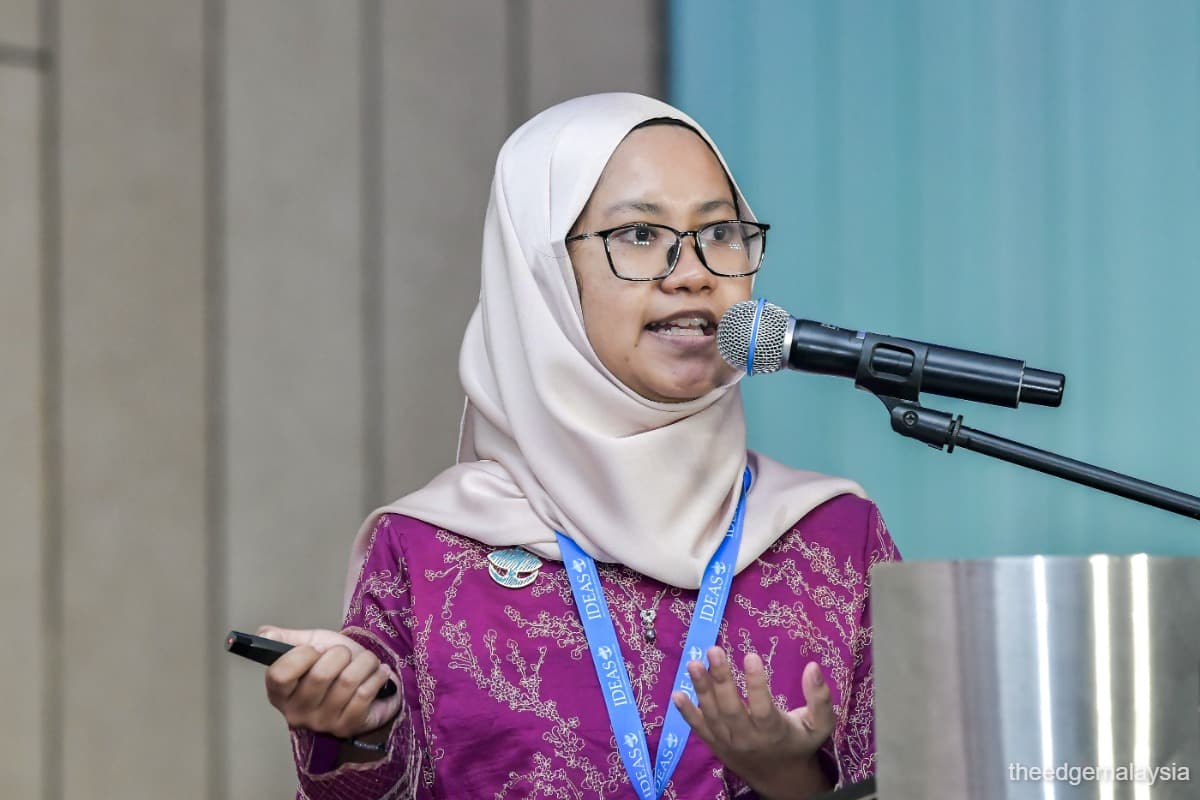
“One established party official said in terms of daily spending, they incurred around RM60,000 to RM70,000, but within the 14 days of campaigning itself, it can reach up to RM700,000 per day,” IDEAS senior research executive and co-author of the paper Sabrina Firdaus Aloysius said during the report presentation on Thursday.
The report, which drew on interviews with politicians, party officials and political finance experts, said established parties are generally able to absorb higher operating costs and access more diversified funding streams, including corporate donations, party-linked businesses and state-linked resources.
The study also highlighted rising expenditure on media and digital campaigning, including the use of analytics, videographers and social media teams to shape online narratives ahead of elections.
Sabrina said some established parties had dedicated media teams and began mobilisation activities up to two years before an election, including voter outreach and welfare-related activities.
“So these things actually start pre-election spending. One of the things that we also figured is that two years before election, everyone’s mobilised on the ground,” she said.
The report also raised concerns over weak transparency and oversight in political financing, noting that parties are not legally required to disclose sources of donations, membership fees or detailed audited accounts.
Rising costs risk entrenching incumbents, limiting participation
The report warned that the high cost of politics risks entrenching incumbent parties and limiting democratic competition, particularly for women, youths, ethnic minorities and lower-income groups seeking political participation.
It also highlighted how rising financial demands increasingly shape candidate selection and internal party hierarchies, with those with access to financial resources find easier paths for political advancement.
"In terms of party candidate selection, the 'inner circles' decide what happens. So, when you want to be in the inner circle, you would usually have to be financially advantageous.
“One of the quotes in the paper itself says, if you're an “anak Dato'”, it might be easier for you," Sabrina said.
The opacity surrounding political financing, she added, creates risks of undue influence, as donors and financiers may gain leverage over political parties and policymaking without public scrutiny.
IDEAS also noted that some political financing practices blur the line between party and state resources, particularly when government-linked entities, welfare allocations or constituency-related programmes are used for political mobilisation.
IDEAS calls for Political Financing Act
IDEAS called for the immediate enactment of a Political Financing Act to improve transparency and introduce clearer rules governing political donations and expenditure.
Its assistant manager of research and co-author of the paper Syazwan Zainal said Malaysia remains among the few countries without regulations specifically governing political financing.
“While it is a fact that political parties around the world need money to operate effectively, Malaysia stands out as one of the very few countries that do not have regulations on political financing,” he said.
However, Syazwan stressed that such legislation alone would not fully resolve the issue of rising political costs.
“It will introduce transparency, donation limits and a public funding system that will help level the playing field between political parties,” he added.
Among the recommendations outlined in the report are stronger disclosure and oversight mechanisms, tighter regulation of political donations and party expenditure, greater public awareness of political financing, and the introduction of public funding mechanisms to reduce overreliance on private donors.