

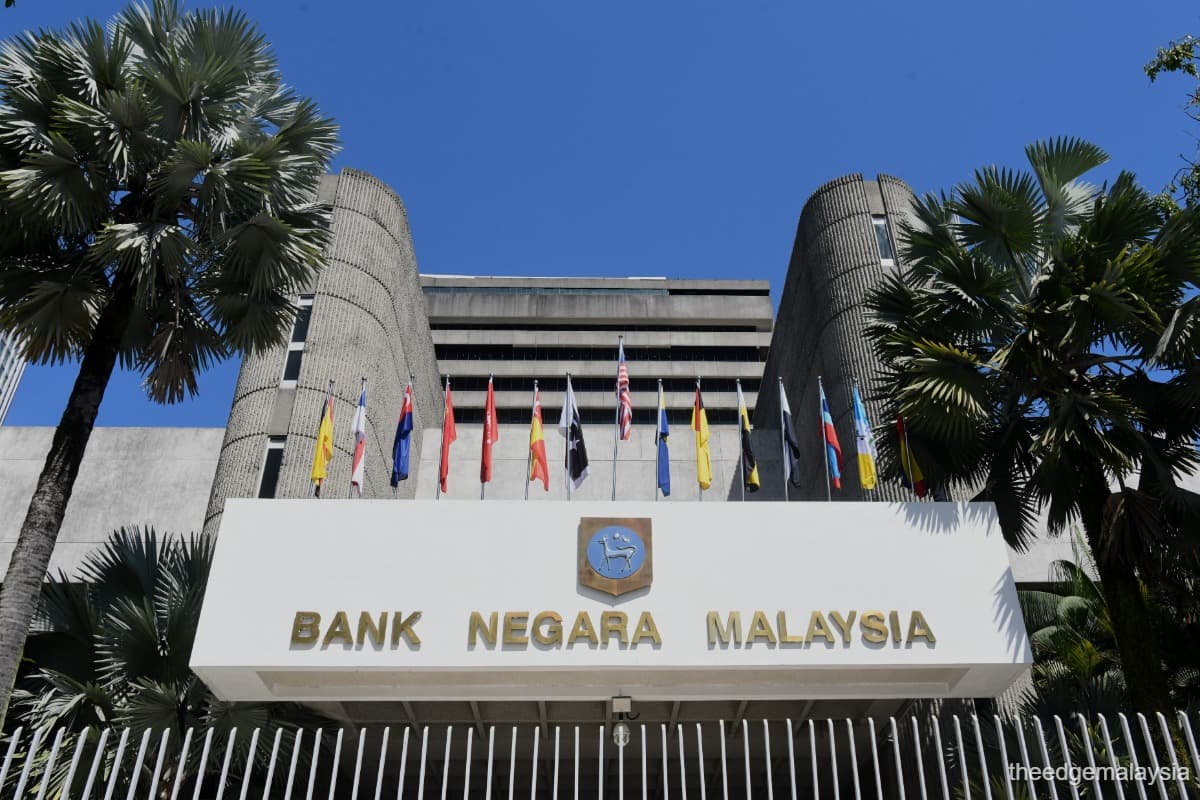
KUALA LUMPUR (April 30): Bank Negara Malaysia (BNM) is likely to keep its policy rate steady in May as data points to economic resilience, with focus turning to the central bank’s inflation outlook, said HSBC Global Investment Research.
Its assessment of the inflation trajectory will be closely watched, as it now largely hinges on any fiscal adjustments to the RON95 policy. On growth, BNM is expected “to retain a cautiously optimistic tone while acknowledging external risks”, said HSBC.
BNM’s next monetary policy statement is due out on May 7, 2026.
“Overall, we do not expect BNM to move in either direction in 2026 and 2027. We forecast the policy rate to remain at 2.75%,” HSBC said in a note.
Since BNM’s March meeting, attention has shifted to the fallout from the Middle East conflict despite strong first-quarter growth across Asia, including Malaysia. Whether that resilience can hold remains the key question, said HSBC.
Malaysia’s monthly energy subsidies have surged tenfold from RM700 million to RM7 billion due to the conflict, raising questions over the next steps for the RON95 policy and adding pressure on fiscal coffers, including the 2026 deficit target of 3.5% of gross domestic product, it added.
On Wednesday, the government announced moves to cut ministries' operating budgets to manage its growing subsidy burden.
The overnight policy rate has been held at 2.75% since a 25-basis-point cut in July 2025, a pre-emptive move to support growth while keeping inflation in check.
Even as regional peers grapple with high oil prices or fuel shortages, Malaysian households continue to enjoy RON95 at RM1.99 per litre, albeit with a reduced monthly cap of 200 litres from 300 litres.
This has kept inflation contained, with March inflation at about 1.7% year-on-year, well below Vietnam (4.7%) and the Philippines (4.1%), said HSBC.
In its 2025 Economic and Monetary Review report released earlier this month, BNM projected headline inflation at between 1.5% and 2.5% in 2026 from 1.4% in 2025, reflecting higher external cost pressures amid a more uncertain global environment.