

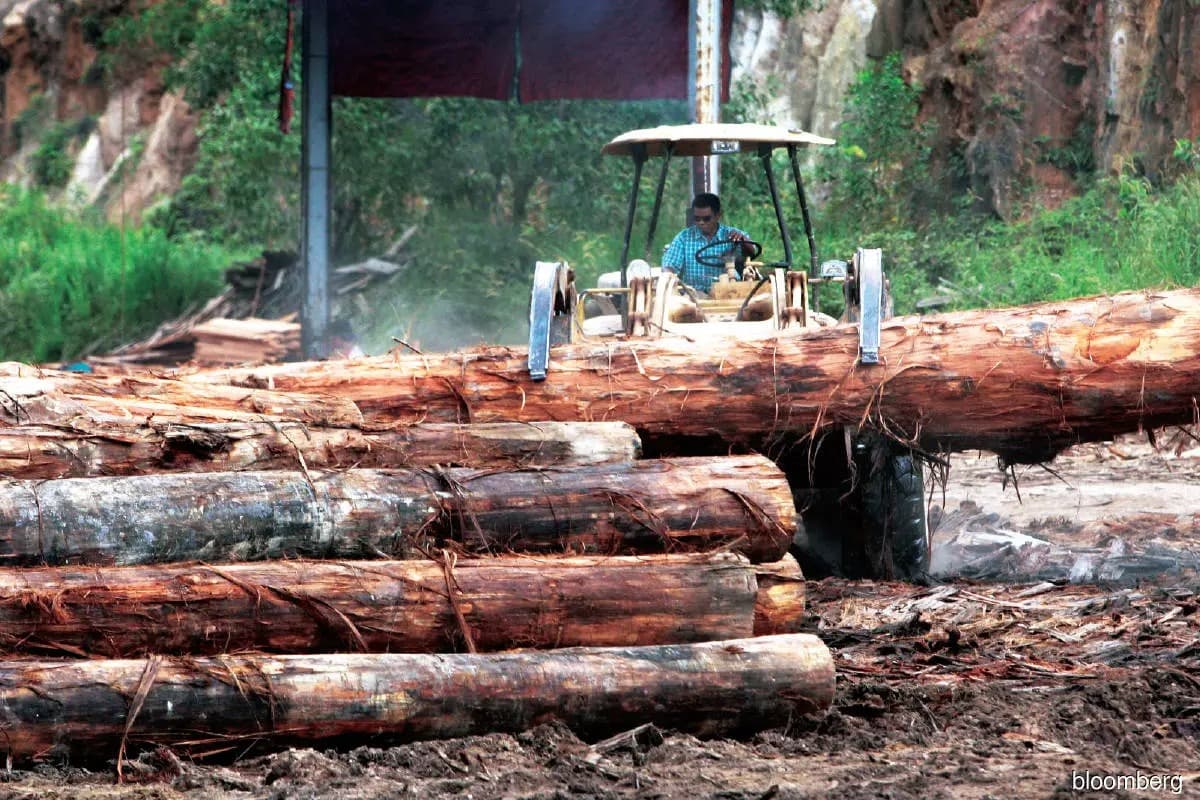
KUALA LUMPUR (April 29): The Malaysian Timber Association (MTA) has called for urgent government intervention, warning that the wood-based sector is facing a “triple burden” of higher taxes, rising diesel costs and foreign labour shortages, which have eroded its competitiveness in the global timber and furniture market.
In a statement on Wednesday, the association also said the combined pressures are driving up costs, constraining production for the sector.
MTA warned that the combined impact of these challenges is placing the timber industry under severe and unsustainable strain with direct implications for Malaysia’s export performance, industrial base and employment ecosystem.
“This is no longer a cyclical challenge, but a structural threat to one of Malaysia’s key export industries,” it said, adding that decisive policy action now will determine whether Malaysia strengthens or surrenders its position in the global timber and furniture market.
MTA noted that Malaysia remains among the world’s leading furniture exporters, and stressed that any prolonged disruption to the sector risks far-reaching economic consequences, including job losses, weakened supply chains, and erosion of global market share.
It said the expansion of the Sales and Service Tax (SST), effective since July 2025 — which removed the tax exemption for sawn timber — has resulted in cost increases across the entire value chain.
Sawn timber is now subject to a 5% sales tax, leading to an estimated 8% to 12% increase in downstream production costs due to a “tax-on-tax” effect from mill to finished products, as the SST system does not allow input tax credits.
The association urged the Ministry of Finance to reinstate the full tax exemption for sawn timber and recognise it as a raw material for construction materials, to eliminate cascading cost and restore export competitiveness.
In addition, the industry is also grappling with elevated diesel prices. Given the industry remains heavily dependent on diesel, it has no buffer against price volatility.
“Limited access to subsidised schemes such as the Budi Madani fleet card further widens the cost gap, squeezing margins, inflating log prices, and intensifying pressure on upstream operators,” MTA added.
To mitigate the impact, MTA has proposed a targeted fuel support mechanism, including a subsidy quota, and called for diesel prices to be capped at RM5 per litre to provide immediate relief and stabilise the supply chain.
At the same time, the timber and furniture sector continues to face acute labour shortages, with some mills operating at just 60% capacity due to delays in quota approvals.
MTA also said the industry faces escalating recruitment costs, including agent fees, levies, compliance, medical screening and accommodation.
Together with a multi-tier levy system, it is squeezing already thin margins, particularly for small and medium enterprises.
“These pressures are also limiting reinvestment in automation and long-term productivity improvements,” it added.
The association called for a fast-tracked and one-stop recruitment system to reduce delays and costs.