

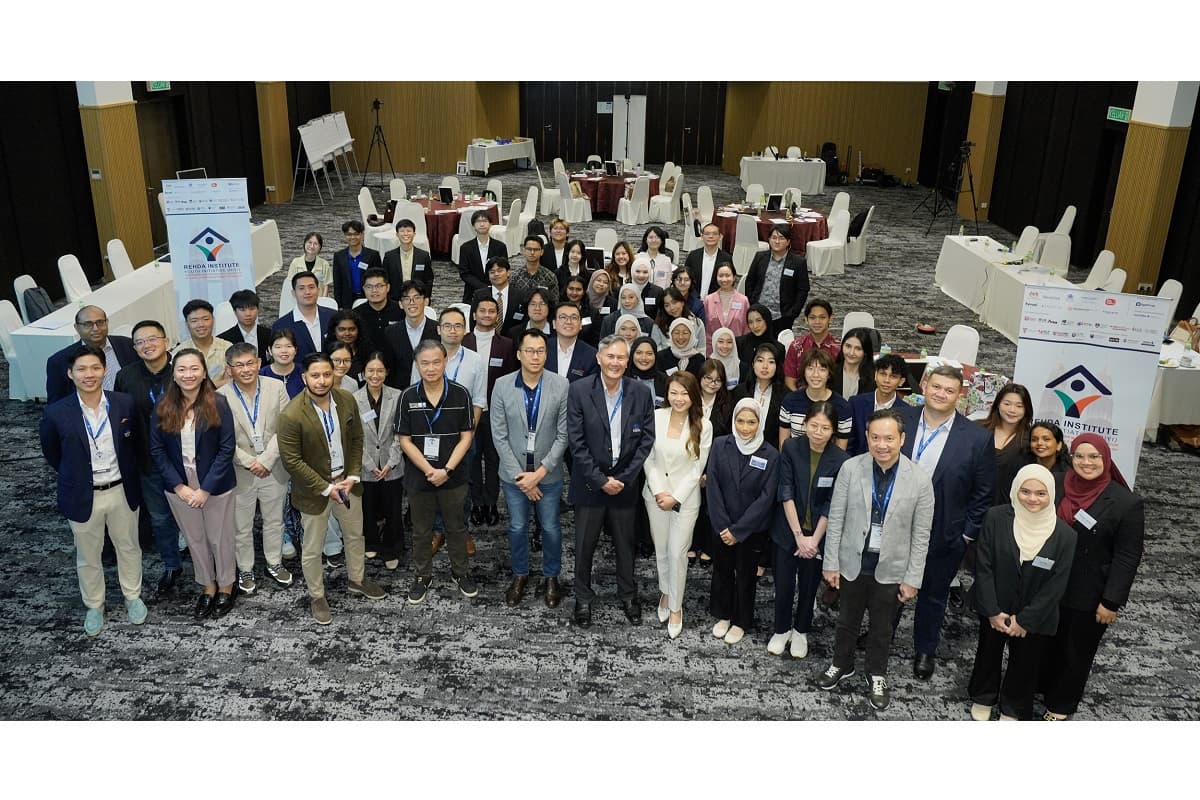
KUALA LUMPUR (April 27): The Rehda Institute Youth Initiative (Riyi) 2026 recently convened its inaugural corporate mentorship session, bringing together 50 students from over 15 universities to engage with senior industry leaders.
The programme, which is supported by major corporate partners including Sime Darby Property Bhd (KL:SIMEPROP) and Paramount Property, aims to strengthen the connection between academic institutions and the built-environment sector.
According to a press statement issued on Sunday, the initiative aims to address the mismatch between graduate expectations and employer requirements as part of Malaysia’s human capital development agenda.
“Riyi is more than a mentorship programme. It represents a strategic response to Malaysia’s evolving skills challenges by strengthening collaboration between universities and industry and giving students earlier exposure to real workplace expectations through engagement with experienced corporate leaders,” said Rehda Institute chairman Datuk Jeffrey Ng Tiong Lip in the statement.
Ng, who is also an independent non-executive director of AYER Holdings Bhd (KL:AYER), added that the initiative seeks to safeguard the nation's project delivery capacity over the next decade.
The mentorship involves students from various institutions, such as Universiti Putra Malaysia (UPM), Universiti Sains Malaysia (USM), Taylor’s University and Sunway University.
Chan Leng Wai, the chairman of Likei Logistics Services Bhd and independent non-executive director of TalentCorp Malaysia, noted that the programme gives employers early visibility of talent to build leadership pipelines.
Chancellor of University of Wollongong Malaysia and Rehda Institute trustee Datuk Seri Michael KC Yam said: “Universities play a pivotal role in shaping graduates who are not only academically capable but also industry-ready and future-focused. Initiatives such as Riyi highlight the importance of sustained collaboration between universities and industry partners to ensure students gain earlier exposure to workplace expectations and evolving professional pathways”.
The built-environment ecosystem currently employs more than 300,000 graduates and supports over 140 upstream and downstream industries.
The year-long programme will continue with a second session in June and a third in September to focus on productivity mindsets and leadership readiness.