

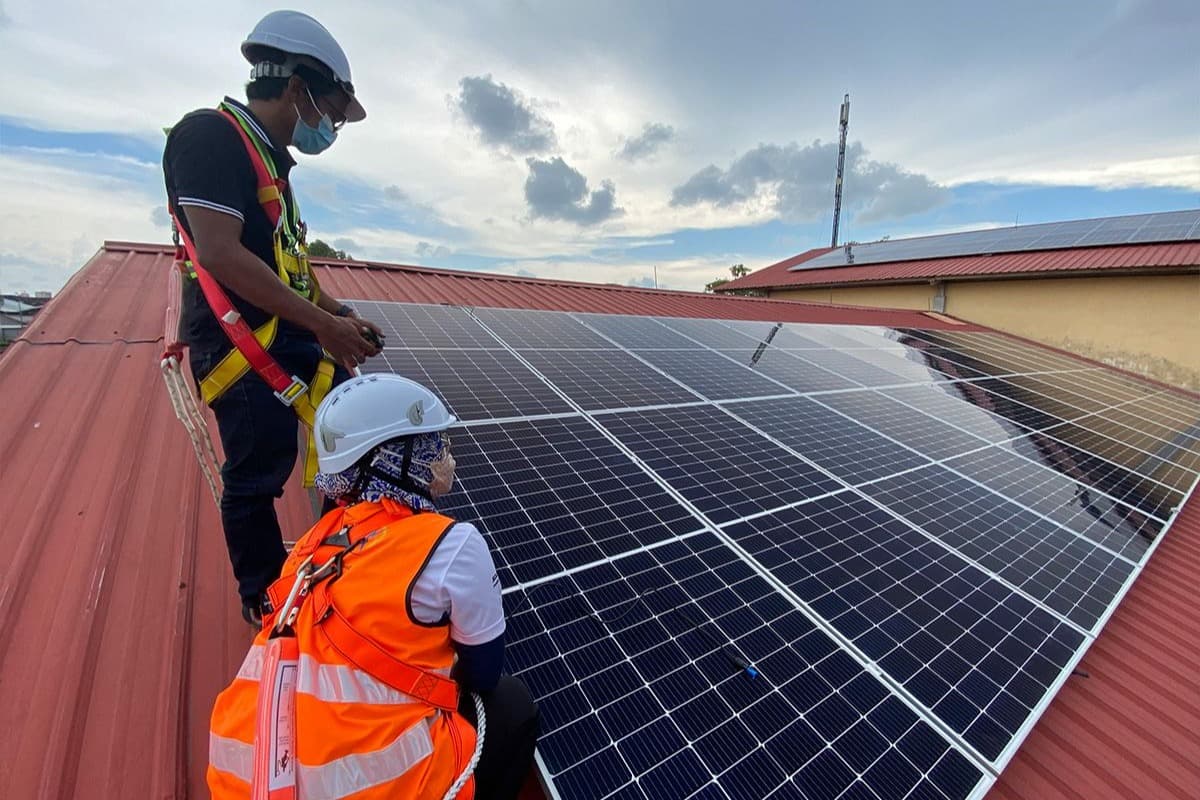
KUALA LUMPUR (April 23): Acknowledging the slow rooftop solar adoption in Malaysia, the Malaysian Photovoltaic and Sustainable Energy Association (MPSEA) has called on potential adopters to consider the potential long-term gains, with the hedging against the cost of electricity.
This is against the eventuality of an increase in the cost of electricity over the medium- to long-term period amid energy security issues arising from ongoing geopolitical tensions in the Middle East.
In response to The Edge’s queries, the association noted that the rooftop segment in both residential and commercial & industrial sectors has slowed down significantly due to the adjustment from the Net Energy Metering (NEM) to the Solar Accelerated Transition Action Programme (ATAP), in which the payback period has increased significantly as a result of changes specifically on the offsetable tariff and rollover period.
It added that projects under the self-consumption (SELCO) scheme have also lost momentum and face delays, due to requirements of having to install a one-to-one battery energy storage system (BESS), along with the imposition of standby charges.
Homeowners typically opt for solar when their electricity bills exceed a certain threshold, making the upfront capital — from about RM16,000 — justifiable. The payback period can be up to seven years of monthly bills of RM300 to RM350, according to The Edge’s estimates.
The ATAP framework, which was announced last year, seeks to reduce household electricity bills using the energy they generate. Bill reductions would be determined using the system's marginal price — the wholesale electricity clearing rate that changes every 30 minutes — based on the cost of the last power plant dispatched to meet demand.
Due to the challenges faced, MPSEA said it is working with regulators such as the Energy Commission to improve existing programmes under the ATAP framework.
Given that the current tariffs will only be adjusted in 2028, this may prompt the industry players to only plan for solar activities in 2028. However, MPSEA is of the view that such a move is “meaningless”, especially when most small and medium enterprises could only weather any challenging situations anywhere between six and 12 months.
Large-scale solar (LSS) project awards should prioritise quality over quantity
On the other hand, the industry association said prospects for large-scale solar projects remain positive, supported by the upcoming rollout of LSS Phase 6 (LSS6), which will include battery storage to support grid stability.
However, MPSEA said solar equipment costs could be pushed up by about 9% with the expected removal of tax rebates on solar equipment from China, which would add to already increasing prices seen in recent months.
“Perhaps being the cheapest should not be the main criteria for awarding these projects,” it noted, warning that focusing too heavily on the lowest bids could create risks for project deliveries.