

This article first appeared in The Edge Malaysia Weekly on April 13, 2026 - April 19, 2026
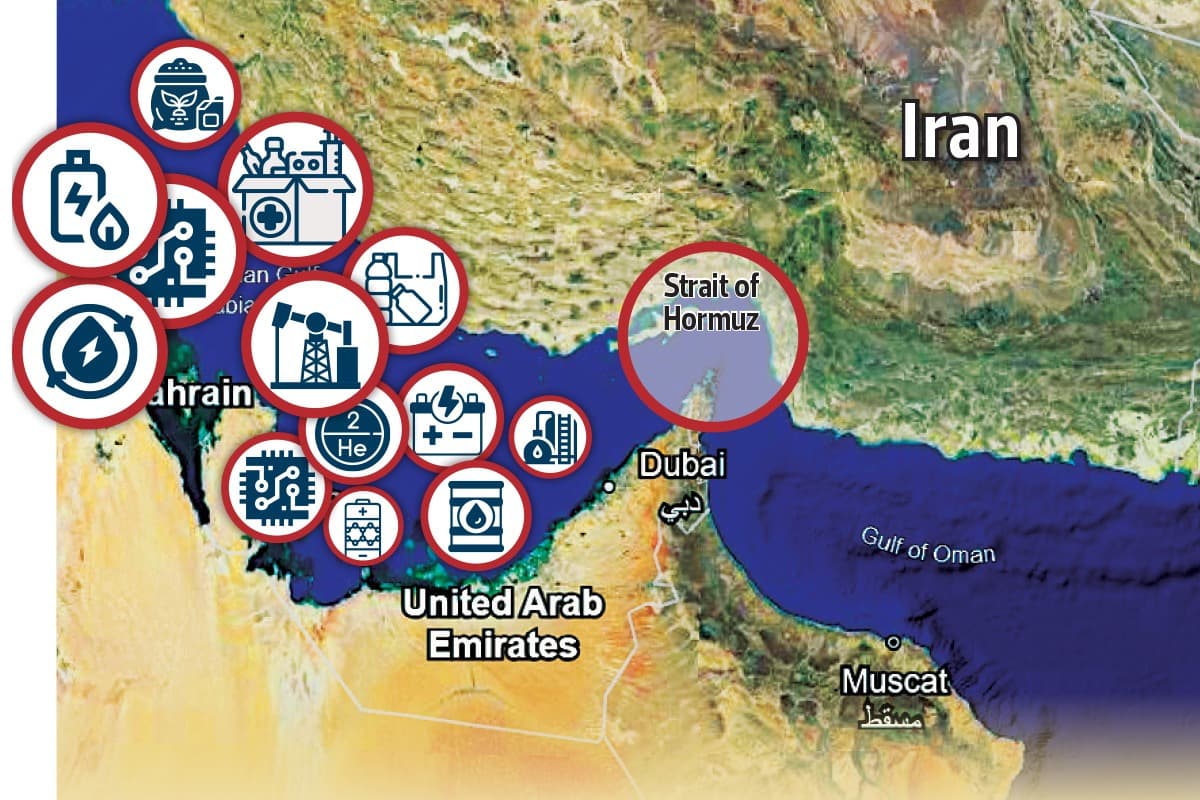
THE ceasefire between the US and Iran has been welcomed worldwide, but the impact of the war — especially the closure of the Strait of Hormuz — continues to be felt across industries to varying degrees.
The implications are such that several banking institutions have introduced targeted assistance to support customers facing financial constraints as a result of the war.
One major consequence is the rise in the price of non-subsidised diesel to an eye-popping RM6.72 per litre. Although diesel vehicles are not as widely used as petrol-powered ones, they remain the primary mode of transport for most businesses in Malaysia.
Fleet cards provide businesses with subsidised diesel in limited quantities, but cov-erage does not extend to all segments of businesses and is often insufficient.
“These days, I pump half a tank instead of a full tank each time and half a tank would already cost me over RM200. Diesel is expensive,” says a small enterprise contractor who drives a pickup truck. He says he applied for the subsidised diesel but did not qualify.
Even for farmers who qualify, the price of diesel is quickly burning a hole in their pockets.
“Even those who qualify can only buy 50 to 200 litres at a time, but they need it almost every day for water pumps, tractors, generators, irrigation, lorries and transporting things. Many smaller vegetable farmers get excluded by strict income rules and the permit process is still slow and complicated. Higher diesel prices also make it more expensive to bring in packing materials and greenhouse plastic film,” Wong Seng Yee, the vice-president of Cameron Highlands Floriculturist Association, explains.
Costlier fuel aside, farmers also have to contend with higher raw material prices. Fertiliser cost has increased between 30% and 50% overall since the start of the war, says Wong, and some suppliers have stopped taking new orders.
“This is mainly because ships can’t easily pass through the Strait of Hormuz, so everything has to take longer, more expensive routes — plus higher oil and insurance costs,” he explains, noting that a 25kg bag of fertiliser is projected to rise to as high as RM350 from RM305 currently.
For farmers in Cameron Highlands who use over 1,000 tonnes of fertiliser each month, this poses a major headache, especially as certain types, such as water-soluble NPK fertiliser for fertigation and hydroponics, become more expensive and scarce.
The farmers’ troubles are corroborated by a recent statement by the Fertilizer Industry Association of Malaysia (FIAM). The 33-member association said heightened risks in key shipping routes mean that vessels carrying bulk fertilisers would be forced to reroute around the Cape of Good Hope.
The diversion adds two weeks to transit times, increasing bunker fuel consumption by up to 40% and significantly driving up freight rates. Insurance premiums for ships in conflict zones have also surged, in some cases tripling, further inflating landed costs.
“The compounded effect of longer voyages, higher freight charges and reduced vessel availability would create a bottleneck in global supply chains. Importing regions in Asia and Africa, which rely heavily on Middle East exports, would experience delays and shortages. Traders and distributors, anticipating further disruption, would continue to stockpile, adding speculative demand pressure on top of physical scarcity,” FIAM said, adding that the West Asia region is a major supplier of natural gas, urea, ammonia and sulphur — important materials for the production of fertiliser.
Most farmers keep an inventory of raw materials, including diesel, fertiliser, seeds, packing materials and greenhouse plastic films, sufficient for a few days to a maximum of two weeks.
“They buy small amounts often because cash is tight, storage space is limited on the hills, and prices are rising quickly. They don’t want to stock up too much in case prices change or supplies get delayed further because of sea freight problems,” Wong emphasises, adding that the biggest worry now is how everything has become more expensive all at once.
Even plastic film used to protect vegetables from heavy rain costs significantly more now.
“The escalation in costs on all fronts, combined with low selling prices at the farm gate (often just 20 to 30 sen per kg) ... many are struggling. They fear that if the war continues, they will plant less, use cheaper materials which can reduce quality … or some small farms that are under five acres will have to stop. This could mean fewer vegetables in the market and price hikes of up to 50% for a while, then around 30% higher,” Wong cautions.
Support slow; stoppage risks rising
While the government is maintaining certain subsidies and planning a local wholesale hub — easing some concerns — many argue that support is not arriving quickly enough to offset rising costs.
Other industries that rely on the by-products of petroleum or natural gas, such as plastic packaging and gloves, are also feeling the strain.
The Federation of Malaysian Manufacturing in a recent statement said based on a survey of its members, nine out of 10 respondents are already affected by the war, or will be within four weeks.
“This is not a situation that companies can manage through tighter margins or operational adjustments. Production lines are at risk of stoppage, export orders are being cancelled and the financial capacity of manufacturers to sustain operations is under direct and accelerating pressure,” it said.
One example that is relatable to consumers is the recent shortage of Farm Fresh Bhd’s (KL:FFB) two-litre fresh milk at supermarkets.
Responded to concerns, the company also sent a memo to clients explaining that it was facing disruptions in the supply of plastic packaging materials as a result of the war in the Middle East and assured consumers that its one-litre fresh milk in paper cartons are readily available as an alternative.

Plastics makers: This disruption is more severe than Covid
A synthetic resin manufacturer tells The Edge that the price of resin has doubled since the war.
“At the moment, it is a level playing field, as everyone is paying prevailing market prices. It has become a seller’s market. Plastic packaging companies that stocked up on resin during the downtrend in the fourth quarter of 2025 are now benefiting from the situation. However, those that adopted a just-in-time model to remain lean, without holding inventory, are likely to suffer,” he observes.
He expects the market to consolidate, with established players such as Thong Guan Industries Bhd (KL:TGUAN) and Scientex Bhd (KL:SCIENTX) emerging stronger than their peers.
“The current supply disruption is even more severe than what we experienced during Covid-19 in 2021,” he says.
C C Cheah, president of the Malaysian Plastics Manufacturers Association (MPMA), believes the scenario today is fundamentally different from the disruption during the Covid-19 years.
“During the pandemic, factories were generally allowed to continue production and the underlying supply of raw resin remained relatively stable. The primary issue was logistical.
“Today, the scenario is driven by a severe upstream crisis. Asia, along with the broader global market, is facing critical shortages of fundamental feedstock, being crude oil and natural gas. Without these raw materials, refineries are unable to produce the essential grades of aromatics and chemical precursors required by the entire industry,” he explains.
While Malaysia has two primary polyethylene resin producers — Lotte Chemical Titan Holding Bhd (KL:LCTITAN) and PETRONAS Chemicals Group Bhd (KL:PCHEM), Cheah says the plastic manufacturing industry still relies significantly on imports to ensure sufficient volume, competitive pricing and access to the full range of material specifications required by manufacturers.
MPMA is proposing that the Ministry of Investment, Trade and Industry temporarily remove import duties to give manufacturers access to a wider pool of suppliers, exempt resin from sales and service tax, and ease supply chain liquidity by reducing cost pressures across the value chain. These measures aim to ensure supply continuity and stabilise costs.
“Even if the conflict ends in the near term, a true normal will not be immediate. We must first assess the actual physical condition of the region’s oil refineries, petrochemical plants and supporting infrastructure to accurately gauge future supply capabilities. It may take many months or several years to normalise,” Cheah warns.
E&E players ‘still good’ so far
Faring better at the moment is the electrical and electronics (E&E) industry. A check reveals that players have so far experienced very little impact from the war, but foresee cost increases and potential material shortages if the war prolongs.
“We typically hold about three to six months of inventory. Our research and development and procurement teams work closely with our suppliers to find alternatives if shortages or supply disruptions occur. So far, we are good,” says ViTrox Corp Bhd (KL:VITROX) co-founder and president Datuk Chu Jenn Weng.
Pentamaster Corp Bhd (KL:PENTA) co-founder Datuk Chuah Choon Bin says his company prioritises maintaining sufficient stock levels of key raw materials and standard machine components. It similarly holds at least three to six months’ worth of inventory, while having contingency measures in place, including supplier diversification, safety stock planning and close monitoring of supply conditions.
“Our main concern lies with upstream inputs, where delivery lead times can be uncertain. We remain vigilant about broader supply chain disruptions that could affect the availability, pricing and timely delivery of these key materials and components,” he says.
QES Group Bhd (KL:QES) co-founder and managing director Chew Ne Weng says he has some concerns surrounding the supply chain disruption of helium gas, which is required by semiconductor front-end wafer fabrication plants for their processes.
“Eventually, this will impact the test assembly integrated circuit packaging plants due to shortage of incoming wafers from the reduction of wafers being produced or longer lead time for production,” he notes.
In the E&E industry, companies are generally able to pass on increased costs to customers, which helps ease overall cost pressures.
Inflation may tick up
With shipping costs and crude oil prices escalating, higher inflation looms.
“Consumer and wholesale price pressures are building up due to the Iran war-inflicted disruptions. Both direct and indirect domestic and imported cost pressures have already happened,” says Lee Heng Guie, executive director of the Associated Chinese Chambers of Commerce and Industry of Malaysia’s Socio-economic Research Centre.
Transporters who do not qualify for subsidised diesel prices have adjusted delivery charges, says Lee, while some suppliers have notified clients of new price increases — indicating that this will translate into higher prices for goods and services.
“Whether the consumer price index (CPI) index will reflect the increase in prices depends on the coverage of goods and services in the CPI basket. Our channel check indicates that some wholesalers and retailers have not increased prices as they have not depleted the inventory while some say they will pass through to consumers when purchasing high-cost new inventory. A ball park estimate is that prices of goods, including imported items, will increase by between 5% and 10%,” he remarks.
An owner of a frozen food trading company concurs.
“We usually have an inventory of up to three months for our frozen food; we don’t raise the price for this. But once the stock is sold and the supplier brings in the new stock, which will be at a higher price, then we will charge our clients based on the new higher price. We have been preparing our clients that it will cost more,” he says.
UOB Malaysia senior economist Julia Goh believes a near-term inflationary uptick may happen as several pressure points for businesses are already unfolding.
“Just based on recent news flow on price adjustments, from postal services, airlines, manufacturing, construction, food and utilities, we estimated that it could affect around 18% of the overall CPI basket. This is just the first order effect from a rise in energy, freight, insurance and farm gate prices,” she says.
This means that consumers will have to be prepared to pay more, especially if food inflation rises quickly.
“The part that hits hardest is when diesel costs more because every single product that travels on a lorry or truck costs more to deliver. This affects grocery prices, fresh produce, processed food and household goods. Farmers are also facing higher fuel costs and fertiliser shortages, which pass through the food supply chain and eventually reach the consumer,” Goh points out.
Bank Negara Malaysia in its recent annual report says the country’s headline inflation is projected to average between 1.5% and 2.5% in 2026, up from 1.4% in 2025, reflecting higher external cost pressures amid a more uncertain global environment.
The central bank says while the Iran war has added another layer of uncertainty to the global outlook, the Malaysian economy remains resilient, and is projected to grow 4% to 5% in 2026, on account of domestic demand and exports.
Interestingly, the World Bank recently raised Malaysia’s growth outlook for 2026 to 4.4% from 4.1% despite the global uncertainties.
Its lead economist for Malaysia Apurva Sanghi says the country has resilient macroeconomic fundamentals, even as downside risks from geopolitical conflicts, trade tensions and structural shifts in global supply chains cloud outlook.
While there is hope that the country’s economic resilience will endure in these challenging times, the potential lasting impact of the Iran war on supply chains and prices warrants close monitoring.
Save by subscribing to us for your print and/or digital copy.
P/S: The Edge is also available on Apple's App Store and Android's Google Play.