

This article first appeared in The Edge Malaysia Weekly on April 13, 2026 - April 19, 2026
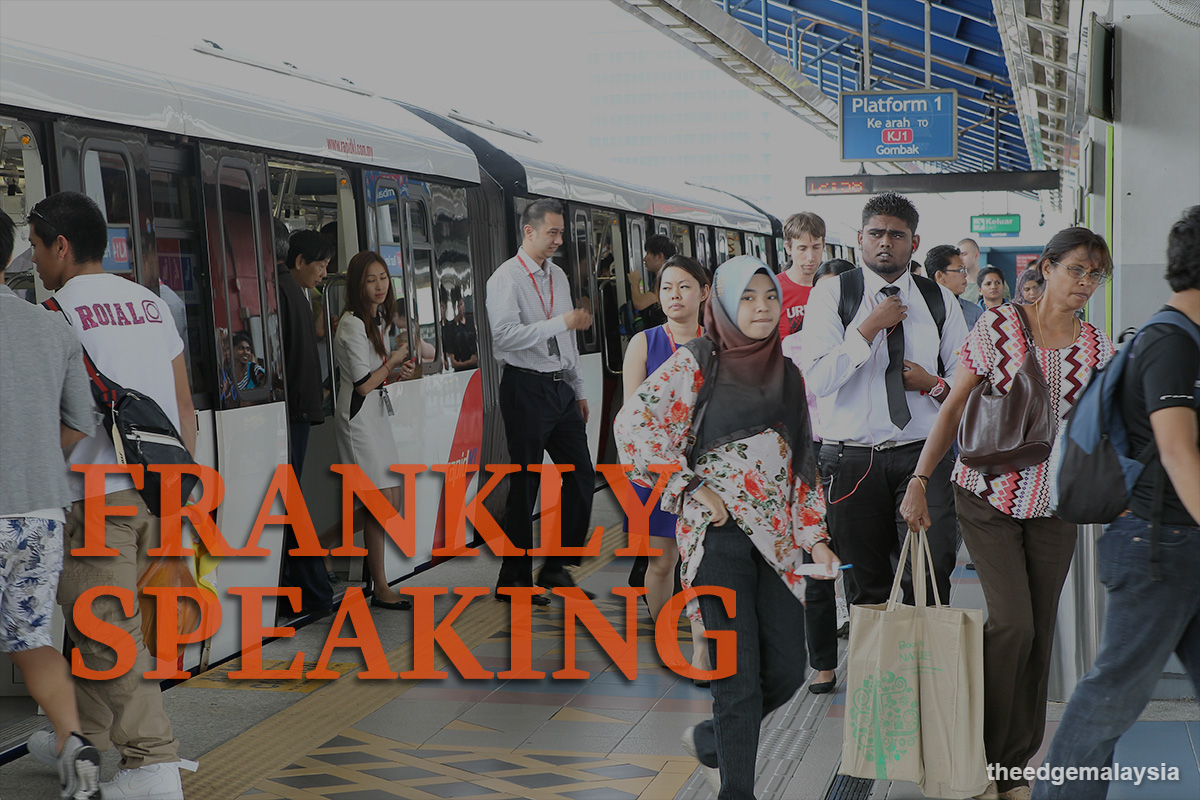
Prime Minister Datuk Seri Anwar Ibrahim on April 7 reassured Malaysians that the country’s energy supply remained sufficient until at least June. With high fuel prices and potential shortages if the Strait of Hormuz remains a logistic chokepoint, it is an opportune time to encourage greater public transport usage and, where possible, adopt workfromhome arrangements to cut fuel consumption.
In Malaysia, however, there continues to be a lack of push or pull factors to use public transport. Gaps in public transport connectivity, the people’s deep reliance on cheap subsidised fuel and perhaps the desire to create demand for locally made cars have all contributed to low public transport usage in a country on the cusp of advanced developed status.
Malaysia has more registered cars than there are people, Deputy Prime Minister Datuk Seri Ahmad Zahid Hamidi pointed out in a social media post last May. Only 25% of commuters use public transport, way below 63% in Seoul, 67% in Singapore and 72% in Tokyo, according to Zahid.
A World Bank study in 2015 noted that only 17% of commuters in Kuala Lumpur use public transport compared with 62% in Singapore and 89% in Hong Kong. Rather than being rich enough to afford a car, many Malaysians may well be forced to drive because there are no viable alternatives.
The low public transport ridership has to do with gaps in urban planning, rail failure from years of underinvestment and still ample availability of cheap subsidised fuel that is pushing up Putrajaya’s subsidy bill even as Brent crude oil continues to hover near US$100 per barrel. Not helping are delays in the completion of LRT3 for public usage.
As Putrajaya weighs the possibility of reducing its subsidy for RON95 petrol, if oil prices remain elevated, it should also consider creating a pull factor for public transport. Making public transport temporarily free for a month may help nudge usage and provide some data points for future planning on making public transport a viable alternative to driving.
Save by subscribing to us for your print and/or digital copy.
P/S: The Edge is also available on Apple's App Store and Android's Google Play.