

KUALA LUMPUR (April 2): Tenaga Nasional Bhd (KL:TENAGA) is partnering with the Perak government to refurbish major hydroelectric stations along the Temengor, Bersia, Kenering hydroelectric corridor at a total cost of RM5.8 billion.
In a statement on Thursday, TNB said the partnership is being executed through its Hydro Life Extension Programme (HLEP) and the development of a centralised workers' quarters facility, which are expected to enhance operational efficiency to reach a cumulative capacity of 650.75 megawatts (MW).
HLEP, implemented by TNB in partnership with a consortium led by Voith Hydro and HeiTech Padu Bhd, will boost hydroelectric generation capacity to 650.75 megawatts, reinforcing Perak’s role in clean energy and attracting potential investment in green technology and data centres.
The Edge reported on Feb 24 that the Voith–HeiTech consortium was awarded a RM1.04 billion contract to undertake the core engineering and construction works for the Temengor, Bersia, and Kenering stations.
Perak Menteri Besar Datuk Seri Saarani Mohamad said the RM5.8 billion investment by TNB for the HLEP project is expected to revitalise nearby towns like Gerik and the Hulu Perak district, subsequently elevating the area as a dynamic new economic support hub.
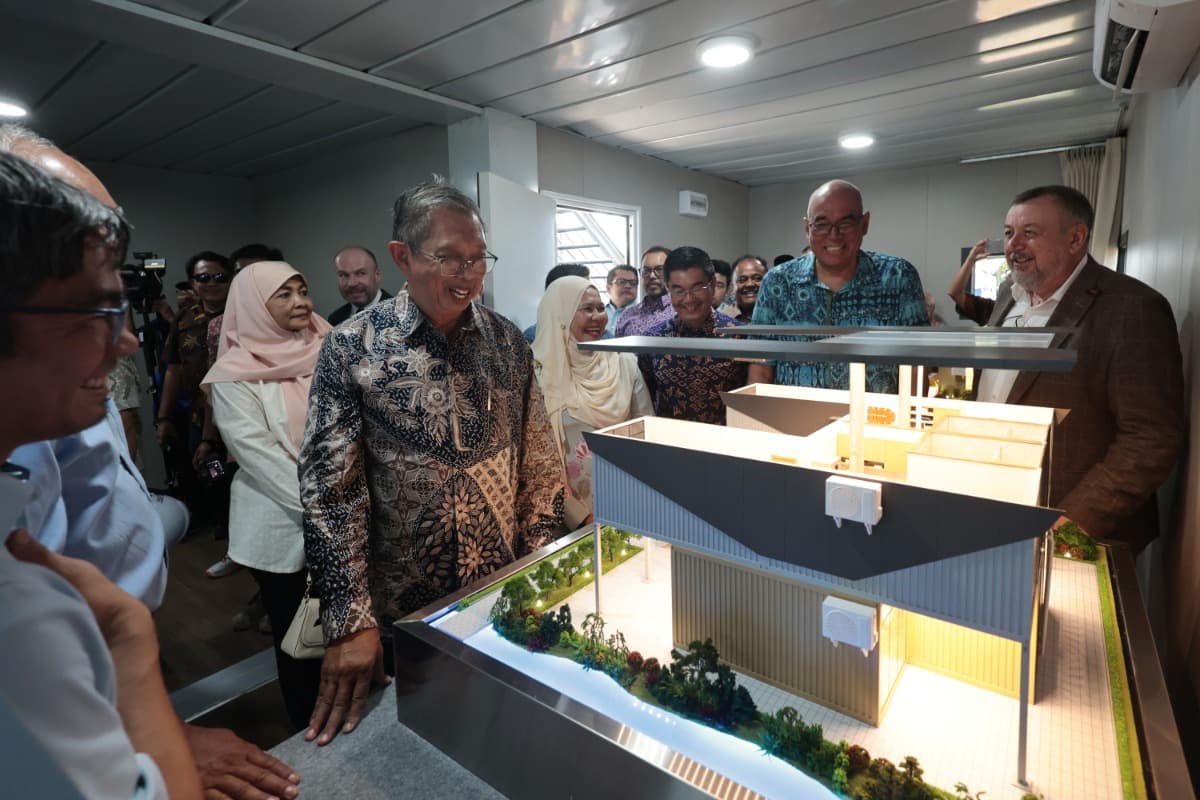
“The state government is committed to ensuring every phase of this project translates into comprehensive benefits for the people. As such, the empowerment of local contractors and vendor development will be a central pillar in our strategy to strengthen the state's industrial ecosystem sustainably,” said Saarani at the HLEP project's groundbreaking ceremony for the workers’ quarters in Bandariang, Gerik. His speech was read out by State Infrastructure, Energy, Water and Public Transport Committee chairman Datuk Seri Mohammad Nizar Jamaluddin.
Meanwhile, Perak State Development Corporation (PKNPk) chief executive Datuk Redza Rafiq Abdul Razak added that the development of the centralised quarters, which can house 200 workers, is a critical component for large-scale operational efficiency while maintaining worker welfare and community standards.