

(March 12): As we wrap-up MWC Barcelona 2026, I find myself thinking about an industry question I am constantly asked: “Where is the value?”
I’ve spent my career bridging the gap between engineering and the boardroom, worked in the telecoms industry from the days of GPRS to 5G, and I’ve learned one universal truth: Our industry is fantastic at inventing technology, but can occasionally struggle to connect it to the profit and loss (P&L). For years, the 'State of the Union' in telco was defined by a massive 'hype-to-reality' gap.
But as I look at the horizon for 2026, the cynicism is fading. We are finally moving away from "expensive science projects" and toward the common telco cloud. This is the common foundation that delivers immediate operational efficiency, greater consistency and simplicity, and opens new revenue streams, making AI, modernisation and automation possible.
The foundation: One platform, any app, any location
If there is one message I want to emphasise this year, it’s this: the era of the vertical silo is over. Our networks have been largely built on multiple vendor stacks, complete with their own management tools, disparate lifecycle management, and specific hardware requirements.
It creates a complex, fragmented environment that is difficult to scale and even harder to keep modern and secure. This fragmentation becomes a non-stop drain on CapEx and OpEx, preventing telcos from achieving true efficiency.
The common telco cloud provides a single, common platform that stretches from the core data centre to the radio site and out to the enterprise edge across private and public clouds. By standardising on a consistent but flexible environment, we stop managing "islands" and start managing a cohesive network in a consistent way.
This isn't just an architecture; it’s essential to profitable growth and the practical operational efficiency required to thrive in 2026 and beyond.
The great modernisation: De-risking the jump
This common platform is exactly what makes the great modernisation (and the inevitable legacy virtualisation migrations) manageable. We don't believe in "rip and replace" for the sake of it.
The goal is to provide a transition platform that allows service providers to run established virtual machines (VMs) alongside modern, cloud-native containers on a shared foundation.
This de-risks the migration of business-critical functions, maintaining the stability of legacy services while building the future using the same set of cloud-native tools. It’s about operational sanity and protecting existing investments.
AI-native: Moving from 'chatbots' to the network brain
Achieving organisation wide AI at scale is extremely challenging, if not impossible, if systems are running across five (or even more) different infrastructure silos. In 2026, we are seeing the shift toward AI-native foundations and this means moving beyond "AI-ready" PowerPoints to deploying AI at scale, but also cost effectively.
The goal is to turn reactive troubleshooting into proactive, intelligent management and to open new revenue streams. If the network can predict a failure before a customer drops a call that is direct business value.
Allowing operators to quickly deploy AI-powered services, from enhanced fraud detection to highly personalized B2B offerings, will drive new top-line growth. Through a common cloud, these AI models can be deployed more consistently across thousands of sites, transforming the network into a self-healing "brain."
The sovereign factor: Control is the new currency
As AI becomes the engine of the telco, the data fuelling that engine becomes your most valuable asset. Digital sovereignty is no longer a buzzword; it’s a requirement for survival.
Operators need transparency, auditability, and control.
Whether it’s building and operating an AI Factory or keeping data within local jurisdictions, service providers need a platform that provides technical sovereignty.
An open-source, hybrid-cloud approach is key. By decoupling software from hardware, organisations gain the flexibility to shape their own infrastructure strategy without being locked into a single vendor’s roadmap.
Intelligent automation: Slashing time to revenue
Finally, we have to address the "months to minutes" problem. Historically, deploying a new service was a manual nightmare. The autonomous intelligent network changes that.
By utilising a common platform supporting the very latest hardware offerings, with integrated intelligent automation, we’re helping operators shift from manual configuration to autonomous operations. This isn't just about efficiency; it’s about agility. In a world where enterprise needs change by the hour, a network that takes six months to update is a liability.
A network running on a common, automated cloud platform not only updates far faster but also allows operators to more rapidly provision new B2B services, transforming their network into a platform for continuous revenue generation.
The industry is moving beyond the "if we build it, they will come" mentality. In 2026, we are building because the business value is clear, and the results are real.
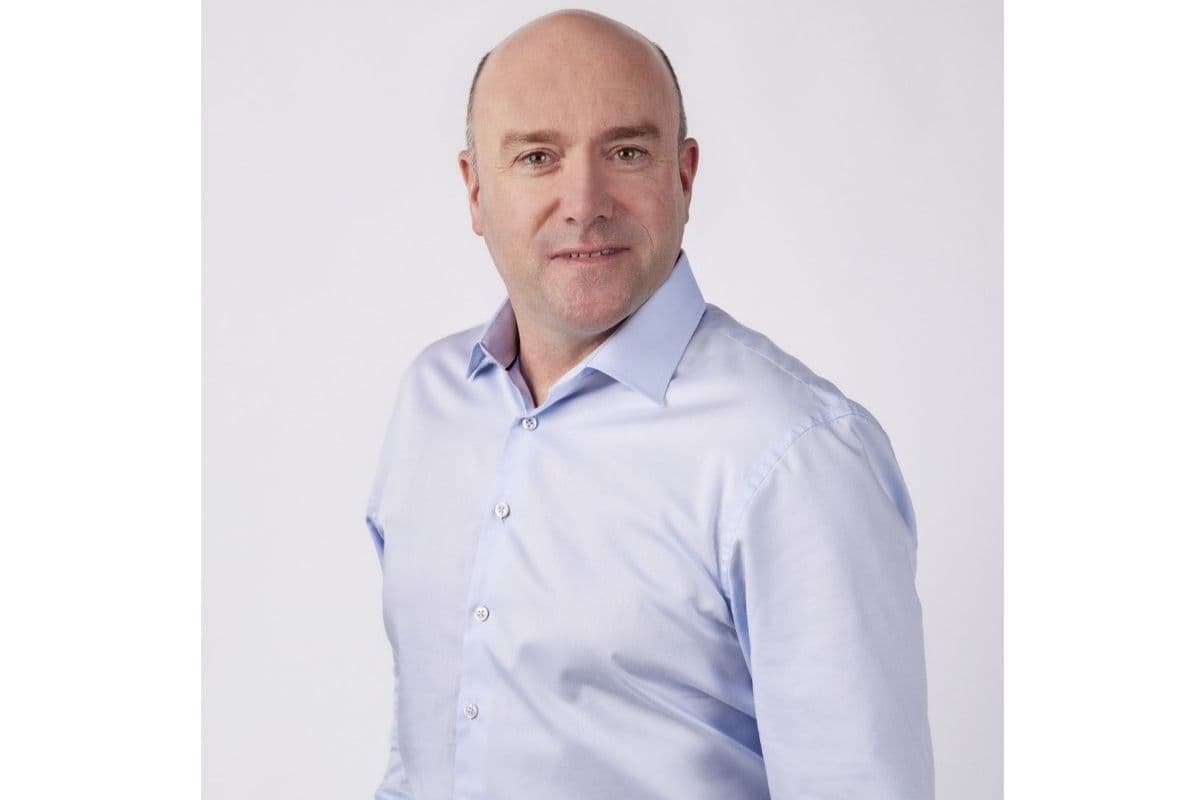
Fran Heeran is the vice president and general manager of global telecommunications at Red Hat.