

KUALA LUMPUR (March 2): Lynas Rare Earths Ltd must cease all activities generating radioactive waste in Malaysia after the first five years of its renewed operating licence announced on Monday.
All radioactive residues generated by the Australian-headquartered rare earth miner must also be neutralised through thorium extraction or other approved treatment methods to below one becquerel per gram, Ministry of Science, Technology and Innovation (Mosti) said in a statement.
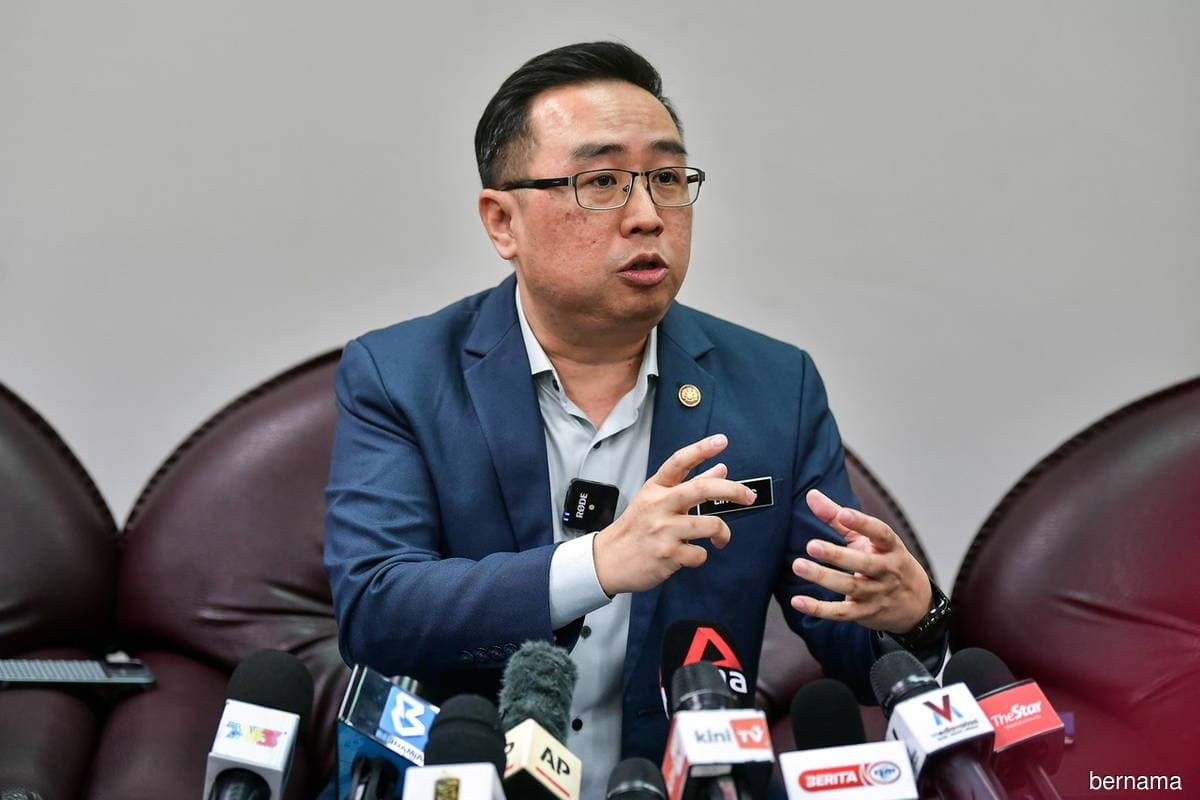
“This ensures there will be no continuous accumulation of radioactive waste in Malaysia,” its minister Datuk Chang Lih Kang said during a news conference at the Parliament building.
Malaysia has renewed the operating licence of Lynas Rare Earths Ltd for 10 more years after tightening the requirement for the Australian company. The licence for the largest rare earth processing facility outside China will take effect on March 3, 2026 until March 2, 2036.
The licence is also subject to a comprehensive review after five years.
The renewal comes as Lynas pledged to set up a new rare earth separation facility costing RM500 million in Malaysia amid strong demand. Rare earths have taken centre stage as China, which has long dominated the supply of the critical materials, tightened its control amid global trade tensions.
Malaysia is estimated to hold around 16 million tonnes of rare earth deposits, a significant figure compared to the global annual consumption of about 200,000 tonnes.
Residues from the water leach purification must be stored in a permanent disposal facility, which is currently 75% complete and is expected to be ready by the end of this year. However, Malaysia will no longer permit new disposal facilities to be built with residues exceeding regulatory limits.
The government expects production and accumulation of radioactive residues to be completely stopped within five years. “This is in line with the government's commitment to ensure that there is no further continuous increase in radioactive residues in our country,” Mosti added.
The facility in Pahang is now the only non-Chinese commercial producer of the materials widely used in electric vehicles and advanced technology such as guided missiles. Malaysia, meanwhile, bans exports of raw rare earth and only allows value-added processed products to be shipped out.
Apart from regulations, the licence also requires Lynas to implement the results of research that have been successful at the laboratory level to the commercial level and industrial use. The company must also strengthen cooperation with local research institutions and industry.
The requirement of 1% of Lynas' annual gross sales to be used as research and development funds was also maintained for the renewal.
Mosti and the Atomic Energy Licensing Board will continue to monitor compliance with all licence conditions, including radiation safety, environmental protection and residue management, Chang added.
To enhance transparency, real-time environmental radiation data will be made publicly available through the Environmental Radiation Monitoring System at https://www.mosti.gov.my and https://erms.atom.gov.my.