

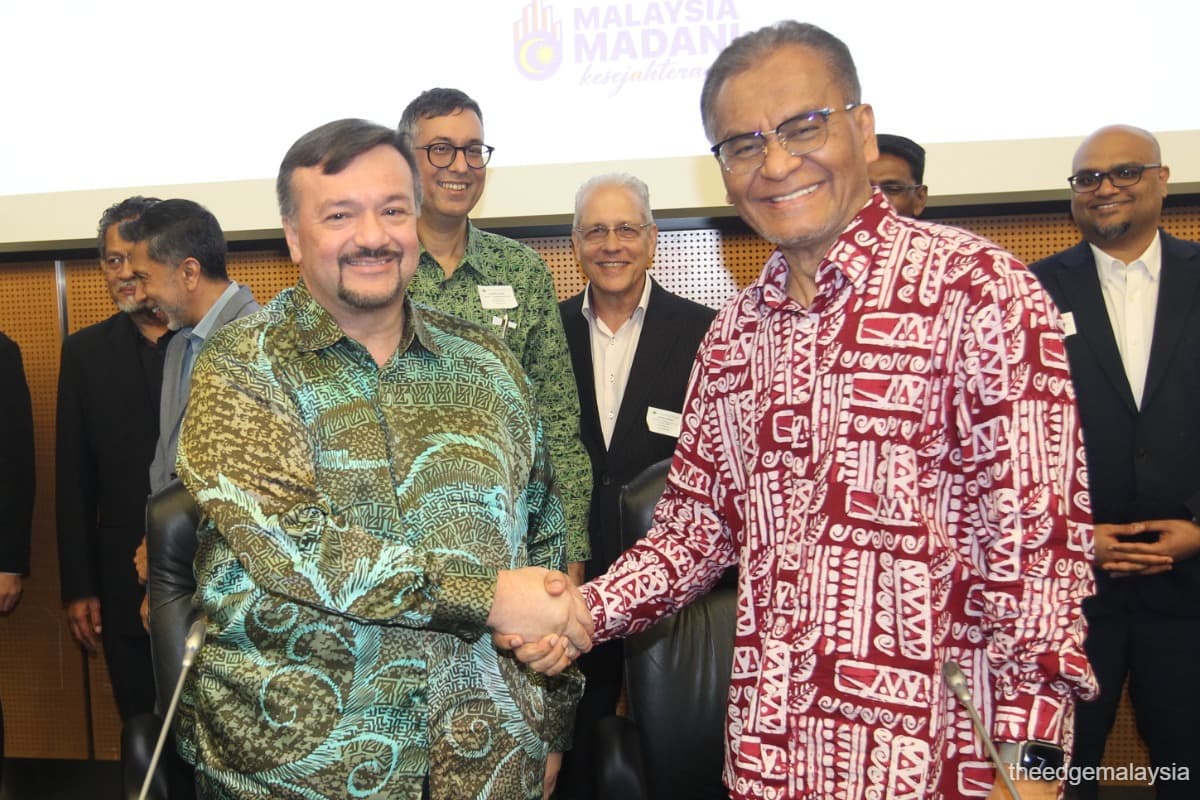
KUALA LUMPUR (Jan 22): The government is introducing a new medical and health insurance/takaful (MHIT) plan, expected to be rolled out next year, which will offer coverage for Malaysians regardless of income up to the age of 85.
The enrolment age for the plan, to be provided by participating insurers and takaful operators, is capped at 70-year-old or younger. The pilot of the base plan is expected in the second half of 2026 before full roll-out in early 2027.
According to the White Paper on Base MHIT Plan, indicative monthly premiums under the standard plan range from RM80 to RM120 for those aged 31 to 35, RM280 to RM350 for those aged 61 to 65, and RM500 to RM780 for those above 75.
For the standard-plus plan, with a higher deductible (paid by policyholders) and coverage limit, premiums are estimated at RM50 to RM70, RM220 to RM280 and RM400 to RM660 respectively. Final premium levels will be announced closer to the plan’s 2027 launch.
_20260122213422_2juedk.jpg)
At a press conference, Bank Negara Malaysia’s (BNM) technical adviser Datuk Jessica Chew Cheng Lian said the base MHIT plan will adopt a two-tier co-payment structure between in-network (without co-share) and out-of-network hospitals (with 20% co-share capped at RM3,000 per disability).
Hospitals are deemed "in-network" when they align to best practice, cost-efficient care models and are committed to minimum cost transparency and service standards, according to the report. In absence of co-share, these hospitals may appear more attractive to patients than "out-of-network" facilities as they have to fork out less from their own pocket to cover a portion of the bill.
The standard-plus plan is "designed for people with different needs", Chew said. "For example, those who are already covered by employer benefits and only require coverage for smaller or occasional expenses. Policyholders should look closely at the plan details to choose what suits them best,” she said.
The base MHIT plan offers a standardised package covering a wide range of private hospital services, including room and board, surgical and anaesthetist fees, in-hospital physician visits, treatment-related medications, selected high-cost outpatient drugs for serious illnesses such as cancer, ambulance services, intensive care, operating theatre charges, day surgeries, as well as immediate pre- and post-hospitalisation services such as consultations, diagnostic tests and medicines.

According to the White Paper, the MHIT plan is designed for two key target groups:
- Individuals who currently do not have insurance or takaful protection for major healthcare expenses but are able to sustainably afford private healthcare coverage; and
- Individuals who are seeking more affordable alternatives to their existing MHIT plans following a sharp rise in insurance premium over time, particularly at older age.
Finance Minister II Datuk Seri Amir Hamzah Azizan reiterated that the base plan will be offered as a stand-alone medical protection product and will not be linked to investment products.
It will co-exist with MHIT plans offered by insurers and takaful operators, serving as a baseline for broader market reforms.
This, he said, is to curb unwarranted price escalation, promote more consistent care standards and improve alignment between providers, payers and patient outcomes.
"Crucially, policyholders facing repricing will have the option to switch seamlessly to this base plan with their current insurer without new medical underwriting," said the minister.

“We have tested this extensively, with 87% of consumers surveyed finding the plan meaningful and attractive. We have incorporated their feedback to refine specific features, carefully balancing necessary trade-offs to keep premiums affordable.
“With the introduction of the base plan, BNM will also strengthen regulations for all medical insurance products. By aligning market offerings with the base plan’s principles, we will further enhance consumer protection and ensure long-term premium sustainability,” he added.
Towards price transparency
The move is part of a phased transition from a fee-for-service model to payments based on diagnosis-related groups (DRGs).
Health Minister Datuk Seri Dr Dzulkefly Ahmad said the insurance and takaful industry has published price ranges for 26 common medical procedures at private hospitals, showing ranges of prices by location and age group, plus average length of stay.
"This helps you compare prices and understand potential expenses before seeking treatment,” Dzulkefly said.
The industry associations will roll out a health insurance/takaful calculator — developed with the support of BNM and the Employees Provident Fund — to help Malaysians plan their monthly savings for premiums and co-payments over the course of their coverage.
The tools will be made available through mobile applications and industry association platforms, he added. “These initiatives empower consumers to make informed choices that support sustainable, value-based healthcare."
The initiative is part of the government’s 'Reset' (Revamp, Enhance, Strengthen, Expand and Transform) strategy to improve access to private healthcare and rein in premium increases.
The reforms gained urgency after public anger erupted in late 2024 over 40% to 70% hikes in medical insurance premiums, which left many policyholders facing sudden and steep increases in their bills, prompting government intervention.
Rising medical inflation has been a key driver of these increases, making insurance increasingly unaffordable for many Malaysians. This year, medical inflation is projected to climb to 16% from an estimated 15% in 2025, fuelled by rising healthcare operating costs.
In June last year, Dzulkefly said the new basic MHIT product would be part of the first phase of implementing a DRG pricing system to expand health financing options, which was initially targeted for roll-out by end-2025.
The 2026 pilot will be rolled out on a voluntary basis, although BNM expects "most insurers and takaful operators to take part in the programme", said governor Datuk Seri Abdul Rasheed Ghaffour.
On the key indicators and operational details, Chew said the central bank is still finalising the design of the pilot. “We are in the process of planning for the pilot and working out the details of the coverage,” she said.