

This article first appeared in The Edge Malaysia Weekly on January 12, 2026 - January 18, 2026
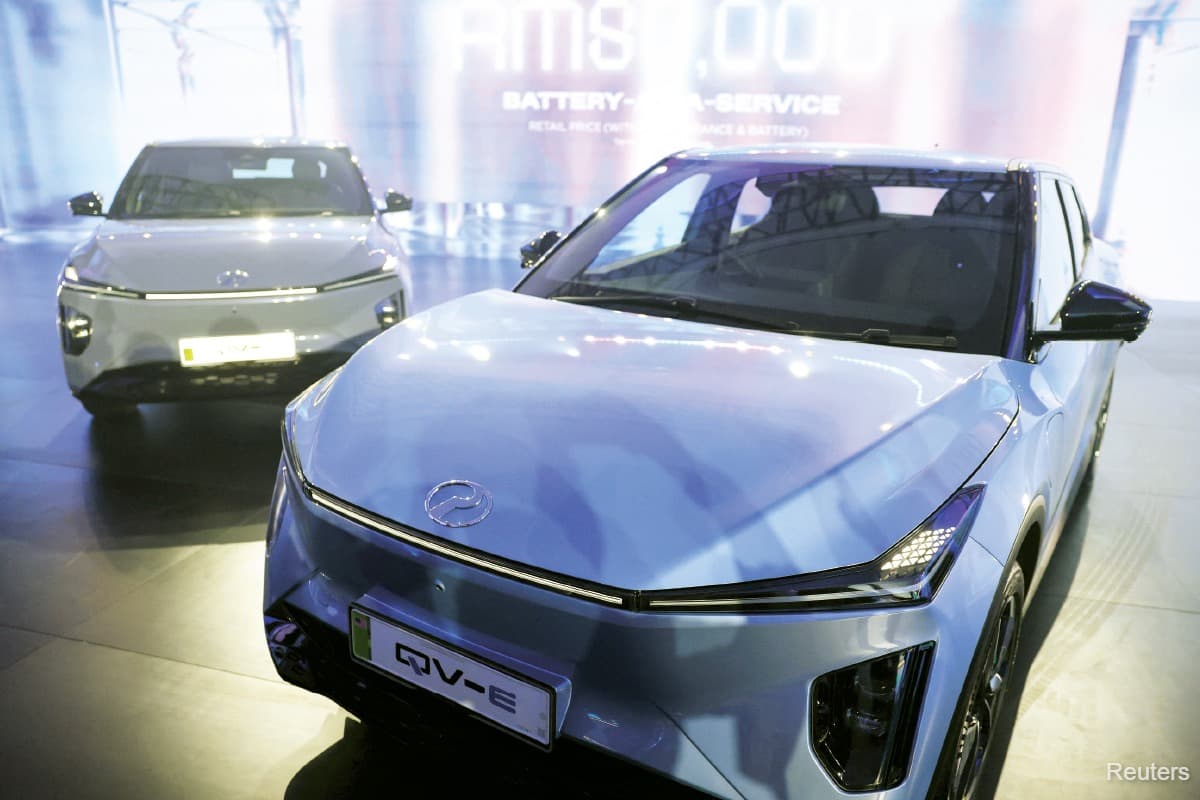
PERUSAHAAN Otomobil Kedua Sdn Bhd’s (Perodua) launch of the QV-E, the first electric vehicle (EV) to be fully developed in Malaysia, late last year had tongues wagging as it was the first time an EV was being sold in the country without the requisite battery.
The QV-E is priced at RM80,000 (on the road, without insurance and battery). Perodua says buyers have to sign a lease with the automaker for the use of the battery and make monthly payments of RM275. As the battery is leased to the buyer, it remains the property of the carmaker, which will guarantee its state of health (SOH) at a minimum 70% efficiency.
The battery-as-a-service (BaaS) model was initially adopted by Perodua to reduce the cost of owning the QV-E. But it goes beyond that, as it is part of the battery passport system developed by the Ministry of Investment, Trade and Industry (Miti), says Perodua president and CEO Datuk Seri Zainal Abidin Ahmad.

“The battery passport is where the battery is registered, because the battery is not good for the environment if you don’t manage it well. It needs to be registered — who the supplier is, what kind of materials are used, other components of the battery, as well as its lifecycle,” he explains.
“All that will be registered under one system. So if anything happens, for example, JPJ (Road Transport Department) will check the chassis and battery number of the EV.
“The moment the battery is detached from the vehicle, some kind of information will be required by the government because it needs to know who the supplier of the battery is, who the owner of the battery is and who the OEM for this vehicle is.”
The battery leasing plan is based on the concept of ijarah whereby Perodua, as the owner of the battery, leases it to the EV buyer at an agreed rental fee payable over an agreed lease period. At the end of the lease period, the buyer may either return the battery to the carmaker or extend the lease period for another term.
Should the buyer extend the lease period for another term, Perodua may offer the option of replacing the battery with one that has a better SOH. The new lease period will commence after a new lease agreement is entered into by both parties.
The Department of Standards Malaysia (JSM), which comes under Miti, in collaboration with the Malaysia Automotive, Robotics and IoT Institute (MARii), launched the Malaysian Standard (MS) 2818 Battery passport for electrified vehicle — General requirements on Nov 14 last year.
Miti said in a statement that the new standard is not only the first to be developed by Malaysia, but also the first EV battery passport standard of its kind in Asean. The ministry added that the development of the standard is an important initiative to support the country’s commitment to reducing carbon emissions as well as encouraging the growth and use of EVs in Malaysia.
Despite talk of the battery passport system, the primary driver of BaaS adoption is still the reduction of upfront costs for the EV.
According to Frost & Sullivan in a March 2025 report, by decoupling battery ownership from the vehicle purchase, automakers can lower the price by 30% to 40%, making EVs more accessible to a broader consumer base. The government’s carbon neutrality target is also one of the reasons it is implementing policies to accelerate EV infrastructure development, including battery swap stations, said the research firm.
E-waste is a major issue in the country. Last year, the Malaysian Anti-Corruption Commission — together with the Royal Malaysian Customs Department, Inland Revenue Board and Bank Negara Malaysia — led a coordinated raid on several processing companies in Kedah, Penang, Johor and the Klang Valley.
There were also allegations of hundreds of EVs involved in a fire accident on board a cargo ship being dumped at a major port in Malaysia, as the ship had been rejected for docking in neighbouring countries.
Such situations require a comprehensive cradle-to-cradle and cradle-to-grave processing and management policy for EV batteries.
“Having a battery passport allows the government to track the batteries whenever they are found in unauthorised dumping grounds or facilities — who made the battery and who owns the battery. Therefore, if the disposal of the battery does not follow the procedure of recycling, proper detaching or whatever, then the government may impose a carbon penalty on the owner or manufacturer of the battery, for example,” says Zainal Abidin.
Save by subscribing to us for your print and/or digital copy.
P/S: The Edge is also available on Apple's App Store and Android's Google Play.