

This article first appeared in The Edge Malaysia Weekly on December 29, 2025 - January 4, 2026
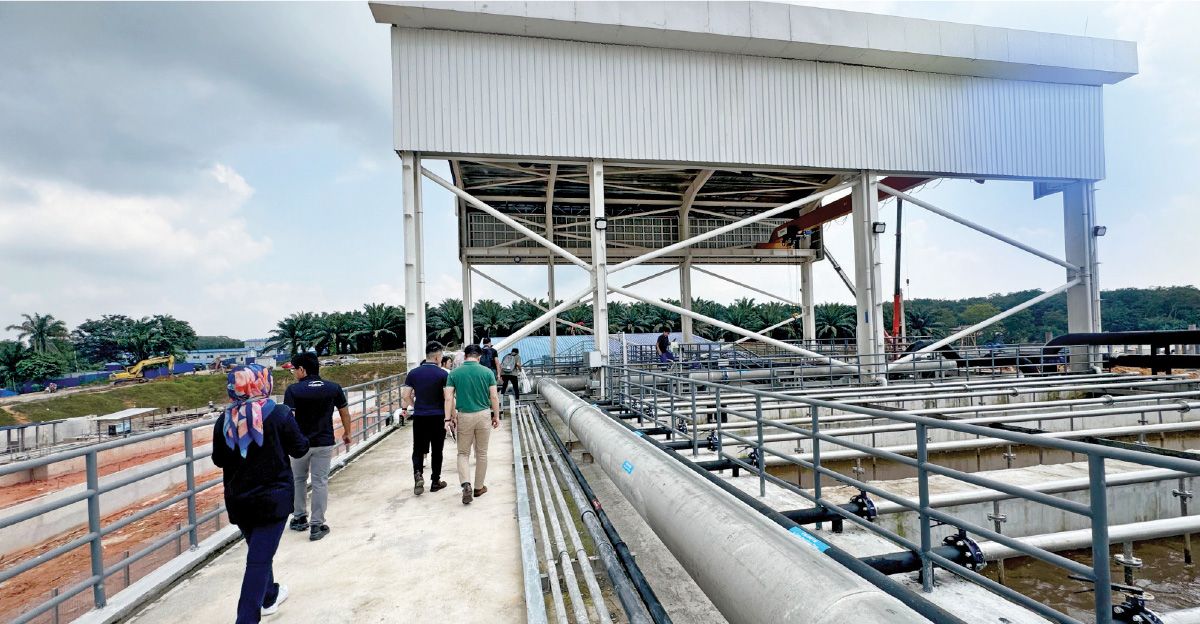
Data centres in Johor are moving towards advanced water resilience solutions due to concerns about limited water supply.
With artificial intelligence driving higher power demands in high-performance data centres, industry players are exploring polluted wastewater treatment to meet cooling needs while strengthening environmental stewardship.
“If we have sufficient power, we are in need of a high amount of water. Everyone is using artificial intelligence now for high-performance data centres. Two years ago, [data centres required] 20KW power density per square foot. Today, one rack requires around 150KW. This is the challenge in Johor, there is not enough water,” said Fahri Aminudin, resource director at DayOne Data Centre, during his presentation at the Sustainability Environments Asia 2025 conference in November.
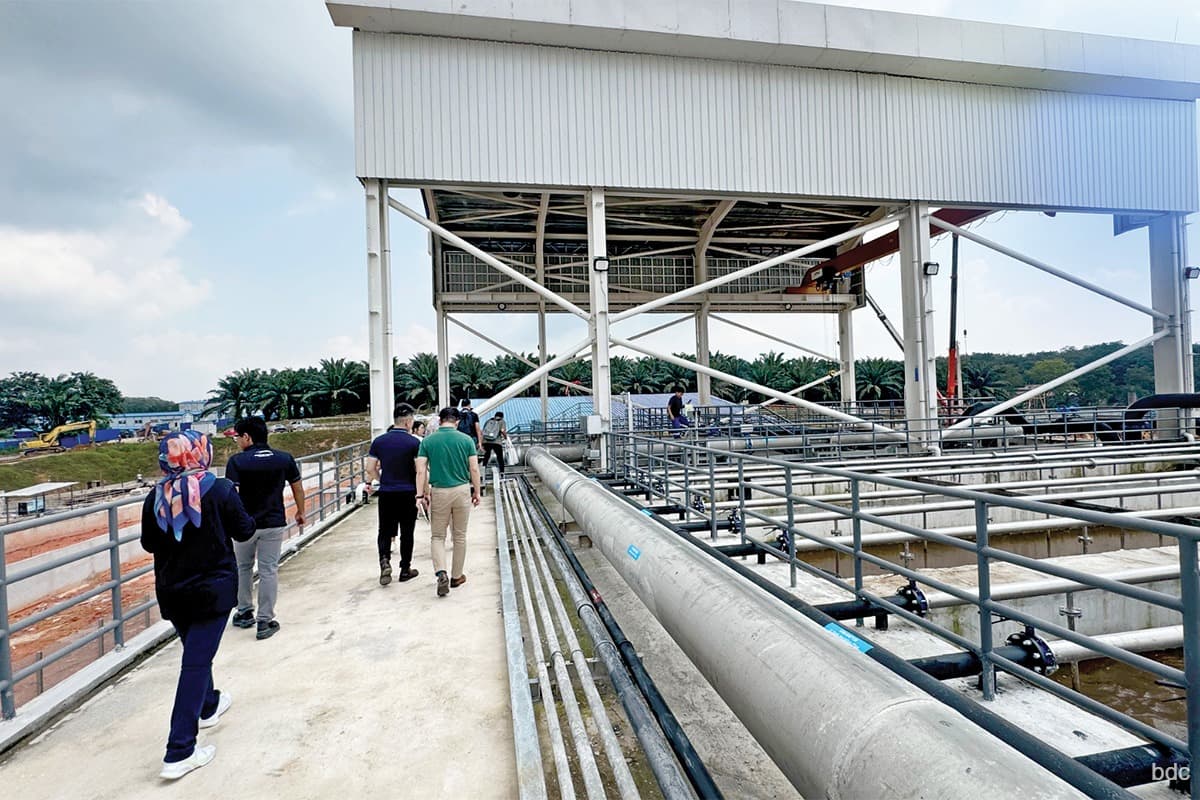
One recent project developed to address the issue is Bridge Data Centre’s (BDC) pilot water reclamation plant (WRP), which repurposes treated effluent into reclaimed water for operational use. The WRP reduces reliance on potable water by up to 40%.
“We are not going to compete for freshwater resources with the local communities. Instead, we are piloting this project on a large scale to funnel wastewater from the municipality, that would otherwise be dumped into the river, to the water treatment plant on our campus,” says Eric Fan, CEO of BDC, which is backed by Bain Capital and headquartered in Singapore.
It has five data centres in Malaysia, which it claims is the largest hyperscale campus in Southeast Asia.
By relying entirely on reclaimed water for cooling at its MY07 Johor campus, BDC draws no freshwater from the local utility Ranhill SAJ, he adds. The company’s WRP uses technologies such as reverse osmosis and membrane bioreactors, which combine biodegradation in a bioreactor with fine membrane filtration for effective water treatment.
The WRP includes a real-time monitoring system for both treated water quality and the incoming supply from Johor state water, Indah Water Konsortium Sdn Bhd and other wastewater plants.
“We continuously invest in treating water as a managed resource rather than a utility that we assume will always be available. We also work closely with local agencies and partners on standards, testing and compliance, which helps maintain our lead as the local ecosystem scales,” says Fan.
He adds that the pilot project has drawn interest from local authorities and industry peers, and he encourages other players to adopt similar practices to help shape new solutions for the sector.
DayOne is also working on its own solution by developing a new water desalination plan, and is currently looking for local contractors to help with its deployment within 12 months.
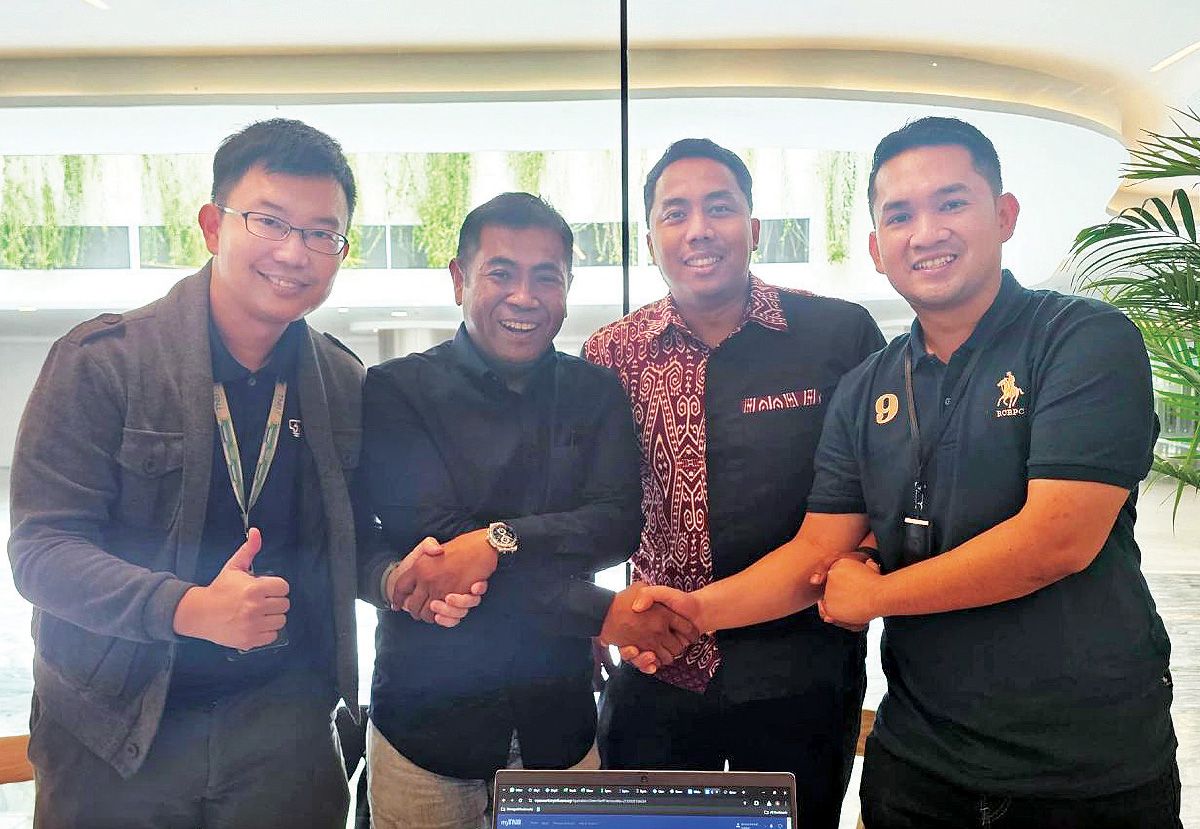
Fahri shares that DayOne is currently extracting raw water from Sungai Tebrau — one of Johor’s most polluted rivers — for treatment, and that related developments in Nusajaya will be a key focus as data centres in the state continue to rely on municipal water.
The company’s water treatment plant is developed with homegrown technology from Sarawak, rather than outsourcing it to foreign entities. With its own proprietary water solutions, DayOne is also working towards developing the local supply chain and water industry.
“We are the only data centre in Johor emphasising Johor Contractor Certification. [If] you want to participate in these projects, we’re not importing this stuff, it’s a locally developed homegrown technology,” says Fahri.
Johor is a key component of DayOne’s development plans. The company aims to reach 2.8GW of data centre capacity next year, largely in Malaysia.
“If we cannot secure power and water as resources, we will be left behind. This is an industry that contributes a huge amount of foreign direct investment to the country,” says Fahri.
Another data centre operator that has been developing a recycled water supply system for its Johor data centre campuses is AirTrunk, an Asia-Pacific & Japan hyperscale data centre specialist. In April, it announced a partnership with Johor Special Water to develop the scheme that recycles unused wastewater, which it says is the biggest of its kind in Malaysia.
Data centres are looking for renewable energy
Data centres in Johor are also looking to scale up other renewable energy sources for commercial value and to support operational efficiencies.
“Renewable energy integration for data centres requires exceptional coordination, strict adherence to safety standards, and a deep understanding of high-security environments. Every aspect from structural assessments to redundancy planning and ESG-driven reporting must operate at an elevated standard,” says Tai Yee Chee, CEO of Pekat Group Bhd (KL:PEKAT).
Renewable energy-powered data centres also boost the Johor-Singapore Special Economic Zone’s (JS-SEZ) appeal by showcasing sustainable, low-carbon infrastructure that attracts global investors.
“The JS-SEZ offers clear strategic opportunities, which are access to high-demand, large-scale energy projects, the ability to secure long-term collaborations with forward-looking off takers, combined with the zone’s integrated infrastructure and streamlined processes that make project delivery more efficient and predictable,” says Tai.
Pekat Group, which has worked with Johor data centres on solar energy solutions, has seen tangible progress in renewable energy adoption.
“While figures remain confidential, it is the delivery of meaningful clean energy to the campus and avoiding substantial carbon dioxide emissions that proves hyperscale facilities can incorporate on-site renewables without impacting operational continuity,” says Tai.
From Pekat Group’s perspective, the main challenge for Johor’s growing data centre sector is achieving scale and reliability. Data centres need firm 24/7 power, and battery energy storage systems are crucial in managing solar intermittency, ensuring power quality and creating a more resilient energy system.
Renewable energy projects also face significant logistical and compliance hurdles. Operational sites require careful planning around security, structural limits, equipment movement and strict safety standards.
“Off-site generation introduces additional uncertainty from periodically reviewed wheeling charges. For sites with limited space, these factors demand creative engineering and close coordination to deliver dependable, high-quality renewable solutions,” adds Tai.
To alleviate some burdens, the introduction of the Green Electricity Tariff and the Corporate Renewable Energy Supply Scheme are now enabling large corporate consumers to access certified renewable energy.
Fan says these mechanisms are central to how BDC plans its renewable energy road map. “We are actively engaging with Malaysia’s green energy frameworks and utilities as part of our broader renewable energy strategy. Negotiations and commercial terms with utilities are commercially sensitive.”
Additionally, Fan shares that solutions for alternative renewable energy sources such as biomass and hydrogen are currently being developed in BDC’s pipeline.
One of BDC’s lorries is currently using environment-friendly biofuel generated from the waste of palm oil treatment processes. Meanwhile, hydrogen sources will act as a supplementary power to BDC’s main power supply, and pilot projects are currently in the works, says Fan.
Save by subscribing to us for your print and/or digital copy.
P/S: The Edge is also available on Apple's App Store and Android's Google Play.