

This article first appeared in City & Country, The Edge Malaysia Weekly on December 29, 2025 - January 4, 2026
Decades ago, a township meant a simple cluster of houses, neatly arranged rows of homes built to meet a growing nation’s need for shelter. These early townships served a single purpose: providing a roof over people’s heads. The roads were simple, amenities scarce and lifestyles largely unfolded outside the township’s boundaries. People lived in one place but worked, studied and played elsewhere.
The idea of a township as a complete community had yet to emerge.
According to Savills Malaysia group managing director Datuk Paul Khong, land was relatively inexpensive back then, resulting in property developers being able to come out with low-density projects with fewer than 10 houses per acre.
The country has since developed, and so have consumers’ expectations.
“As populations grew and urban landscapes changed, the need for a well-thought-out master plan became increasingly evident. The development of townships has been a gradual process, often beginning in undeveloped areas and presenting unique challenges. As the population increases, the demand for updated infrastructure rises to meet the changing needs of the community,” he says.

CBRE | WTW Malaysia adviser Foo Gee Jen says this trend began as homebuyers started to seek more than just a roof over their heads. He adds that they want convenience, connection and a sense of belonging. This shift prompted developers to rethink the fundamentals of township planning, moving towards environments that integrate homes with schools, shops, workplaces, parks and community facilities.
Rahim & Co International Sdn Bhd director of research and consultancy services Sulaiman Saheh provides examples of some townships that have become well established since they were introduced a few decades ago.
“Developments like Sunway City Kuala Lumpur and Desa ParkCity integrate residential units with malls, offices, schools, parks and entertainment hubs, creating self-contained communities that offer convenience and lifestyle amenities. The focus is not just on housing but on cultivating a sense of community and belonging,” he notes.
Khong says new townships have shown significant emphasis on mobility integration, with enhanced options for walking, cycling and public transit. “These initiatives aim to reduce reliance on cars, especially within the township, and incorporate green practices, allowing townships to thrive sustainably in an ever evolving environment,” he adds.

A new age
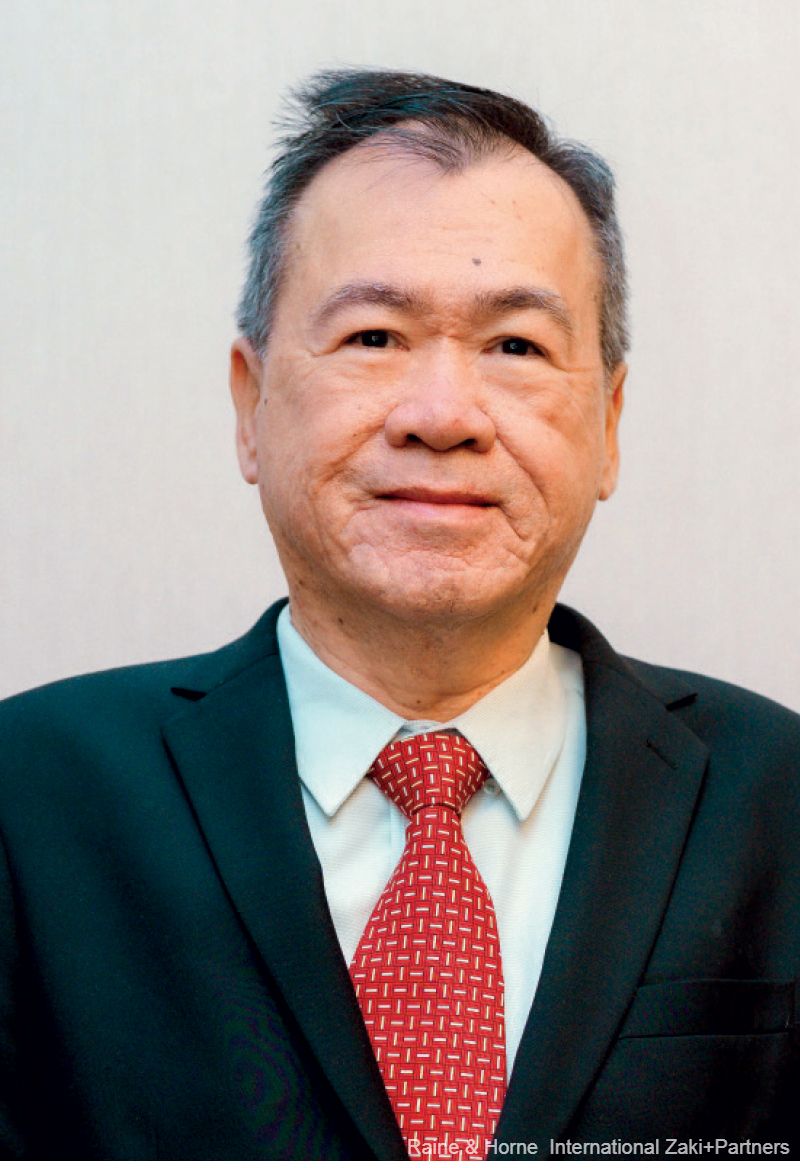
Raine & Horne International Zaki+Partners Sdn Bhd executive director Ho Sek Chuen says beyond creating residential and commercial spaces, townships are now providing recreational areas and essential services.
Ho observes that over the years, some developers have created iconic attractions, such as theme parks, within their townships. These include Sunway Lagoon in Sunway City Kuala Lumpur, i-City Theme Park in i-City, Skyline Luge Kuala Lumpur in Gamuda Gardens and SplashMania Waterpark in Gamuda Cove.
These diverse residential, commercial and recreational spaces will create a synergistic environment that offers a range of investment and employment opportunities within the township itself, he says. It will also increase the number of visitors to the township for the myriad F&B options, services and recreational activities, he adds.
“The huge investment in these commercial spaces shows the strong commitment of the developer to fostering vibrancy and economic activity. They also attract visitors to the theme parks and commercial areas, hence creating local employment opportunities,” says Ho.

Besides recreational areas, the latest trend in townships is the transition to a more technology-driven property landscape, says Khong.
“Some developers are starting projects with artificial intelligence (AI) and robotics themes based on partnership-led innovations. These collaborations have marked major steps of growth, from digital infrastructure to retail ecosystems and now to intelligent automation. Forward-looking projects with AI- and robotics-based plans showcase how they elevate property values and recurring incomes,” he elaborates.
Foo points out that what began as the familiar live-work-play-learn framework has expanded to include wellness and smart city elements, evolving into a more comprehensive live-work-play-learn-wellness-AI concept, offering walkable neighbourhoods and green corridors; schools and early education facilities; lifestyle hubs, parks and community spaces; business centres, co-working hubs as well as small and medium enterprise zones; healthcare and wellness facilities; as well as AI-enabled smart services, security, mobility and environmental monitoring.
“This integrated approach reflects the rising expectations of Malaysian homeowners and investors, who increasingly value quality of life, connectivity, convenience and community identity just as much as the physical home itself. As a result, such townships not only enhance liveability but also exhibit stronger long-term capital appreciation, as developments with comprehensive amenities and placemaking features tend to see higher demand and retain value more effectively than purely residential enclaves,” he adds.

Wellness woven in
The post-pandemic era has seen an increase in demand for wellness-centred offerings. Seizing the opportunity, developers have been offering more wellness elements in their master plans, say the consultants.
Foo and Ho believe that the wellness concept in a township refers to a holistic approach that prioritises the physical, mental and social well-being of residents.
Foo elaborates, “Wellness has become a key design principle today due to growing awareness of health, work-life balance and lifestyle expectations among homeowners and investors, who increasingly seek environments that support active living, mental relaxation and social interaction.”
He adds that the usual wellness elements in a township generally include green spaces and parks, recreational facilities such as gyms, sports facilities and walking or cycling paths, pedestrian-friendly design, access to nature and good air quality, as well as community amenities like schools and healthcare, retail and cultural spaces.

“These features not only enhance daily life, encourage healthier lifestyles and foster a sense of community but also contribute directly to resident well-being,” says Foo. “Green spaces and parks reduce stress and promote outdoor activity. Recreational facilities encourage active living and social interaction. Clean air and access to nature improve overall health, all of which increase the attractiveness and liveability of the township.”
While wellness elements are an integral part of a township, most developers do not advertise it as a fully wellness-centred master plan, says Ho. “This may restrict their marketing strategy and alienate younger buyers. Most developers would integrate the wellness concept into their ecosystem of residential options, commercial recreational areas and other forms of amenities, services and infrastructure.
“Modern townships focus on living in harmony with nature. At same time, to capture the multigenerational lifestyle, they will create retail conveniences and attractive recreational parks.”
Sulaiman says developers consider sports facilities, healthcare clinics as well as wellness and spa centres as wellness elements. He finds that the green lungs in townships generally provide better air quality and environment, citing Setia Eco Park in Shah Alam as an example.

“Setia Eco Park in Shah Alam integrates large green belts, lakes and walking trails, promoting a lifestyle that blends nature with urban convenience. Wellness-oriented planning encourages healthier routines, stronger community ties and higher resident satisfaction,” he says.
A new wellness township in the works is the KL Wellness City in Bukit Jalil, he adds.
“The features at KL Wellness City are expected to be given more emphasis as a holistic community and living quarters, especially as society ages and the empty-nest community emerges. Mental wellness will become a key concern and with the potential demographics of this group, there will be real addressable demand in the future,” says Sulaiman.
From an investment perspective, these environmental features positively impact property values over time, he says. “For example, KL East Park and Gamuda Gardens’ Central Park integrated lakes and forestry have become selling points, with residents willing to pay a premium for proximity to wellness-oriented spaces.”

Foo says, “From a property valuation perspective, thoughtful integration of wellness elements demonstrates that strategic design not only improves residents’ quality of life but also supports strong, sustainable property values over time.”
Meanwhile, Khong says residents are willing to pay a premium for good quality and branded neighbourhoods that provide green spaces, recreational and community areas, good air quality, ample amenities as well as convenient access and good locations. “As more homeowners look for quality in community and lifestyle offerings, demand and property prices will grow in tandem over time,” he adds.
Planning a self-sustaining ecosystem
Ho says a good township should have a multitude of residential and commercial options. For example, besides the usual studio apartments and SoHo units, there are also dual- and triple-key apartments, each with an independent suite, kitchenette and en-suite bathroom. These residential options are designed for flexibility, high rental potential and homeowners looking to lease out spare bedrooms.
“In formulating the ecosystem, developers can combine the various components such as retail, office, hotel and residential within a master plan to foster a live, work and play environment. The diversified commercial spaces integrating with green and recreational spaces will create economic opportunities and attract investors and stimulate economic growth within the township. There must be continuous innovation to remain relevant to the development trend,” he says.
Ho reckons that developers have to play a leading role in creating a master plan with amenities at its axis so that residents are within walking distance of the central park and neighbourhood mall or commercial centre that offers myriad F&B options and other conveniences. “Commercial spaces in a township normally cater for its own residents. However, flexible commercial spaces and curated community events will attract visitors and create vibrancy and economic activity.”
Sulaiman points out that curated initiatives such as pop-up markets, weekend bazaars or incubator programmes can help small businesses grow while adding vibrancy to the township.
“For instance, the Starling in Damansara Utama incorporates a mix of established and local businesses, while organised community events provide exposure for smaller entrepreneurs. Encouraging SMEs also strengthens township identity and ensures a diverse and dynamic local economy,” he says.
“Additionally, these elements that create the ecosystem have the potential to strengthen a development’s positioning and be an attraction for placemaking. As society matures and lifestyle changes, some of the good old experiences can be perceived as novelties. Look at how the kopitiam concept has returned and evolved into crowd magnets. This relates to the SMEs and niche traders that can add value and diversity to a development.”
Foo says thoughtful planning of flexible commercial spaces and activating these through curated events can create a self-reinforcing ecosystem where local businesses thrive, residents enjoy richer lifestyle experiences and the township maintains lasting vibrancy and economic value.
Foo adds that townships that successfully integrate SME-friendly spaces and community-focused programming tend to be more resilient and attractive in the long term. This is because it will create vibrant commercial areas that increase the desirability of the township, enhance walkability and create dynamic, lived-in environments that appeal to both homeowners and investors.
Furthermore, he reckons that this combination of economic activity, social engagement and convenience can support higher occupancy rates and sustain capital appreciation over time.
Maintaining long-term value
Proper township management is essential to ensure the development remains sustainable.
Ho is of the view that maintenance and sustainability of a township are achieved by the developer engaging and working hand in hand with those who live there through the residents’ association and management corporation or joint management body to promote a strong sense of belonging in the township.
Foo believes that strong governance, effective long-term planning and consistent reinvestment in its physical and community assets are key to township maintenance and sustainability. These include proactive maintenance of infrastructure, efficient township management, adequate budget allocation for upkeep and clear responsibility frameworks for roads, landscaping, drainage, public amenities and community facilities.
“Sustainability plays an increasingly important role, as features such as energy-efficient lighting, water-saving systems, green landscaping, waste management solutions and durable building materials not only reduce operating costs but also enhance environmental quality. These sustainable practices extend the lifespan of township assets and contribute to a healthier, more resilient living environment, which in turn supports property values over time,” he says.
Ho says developers who have invested in commercial spaces such as retail centres, drive-thru outlets, private recreational clubs, medical centres and international schools in the township can expect recurring income. “This will be seen as having vested interest in the township and ensuring it will be well maintained,” he adds.
Sulaiman is of the view that retaining control over township assets allows developers to maintain quality, ensure consistent management and generate recurring income through commercial leases or facility management.
“Handing over assets to local authorities may risk inconsistent maintenance and slower response times, especially for commercial or recreational spaces, due to, understandably, the limitation of resources. A hybrid model where developers maintain strategic assets while authorities handle public utilities can balance long-term quality control with community integration,” he says.
“For example, Sunway City Kuala Lumpur’s management model retains developer oversight over key assets, ensuring that community standards and facilities remain consistently high. Some developers opt for Temporary Occupation Licence arrangements for strategic public areas to maintain and control the overall surroundings and environment of a township.”
Foo says developer involvement in property and township maintenance is important, while transitioning certain responsibilities to local authorities or residents’ bodies may be appropriate over the longer term, provided that the governance structure, funding mechanisms and service levels are maintained. “The key is ensuring that maintenance standards do not drop during or after the handover, as consistent quality is essential to safeguarding the township’s long-term liveability and property values,” he adds.
Innovation never stops
Looking ahead, property consultants see the importance of township developers in embracing new trends and innovation to stay relevant.
Foo expects smart mobility, stronger public transport integration, renewable energy adoption, improved water and waste systems, as well as climate-responsive urban design to feature prominently in the next wave of master plans to positively impact both the desirability and long-term capital appreciation of properties. Digital platforms for community engagement and predictive maintenance are also likely to enhance efficiency and asset longevity.
Also, he believes future townships will emphasise public spaces, biodiversity, inclusive design and age-friendly environments that support multigenerational living.
Sulaiman foresees developers incorporating flexible housing designs, micro-mobility solutions, vertical gardens and resilient infrastructure to enhance liveability and adaptability to climate change. “Townships like Iskandar Puteri’s smart city initiatives demonstrate how technology, sustainability and community design can coexist, creating resilient and self-sustaining urban ecosystems,” he says.
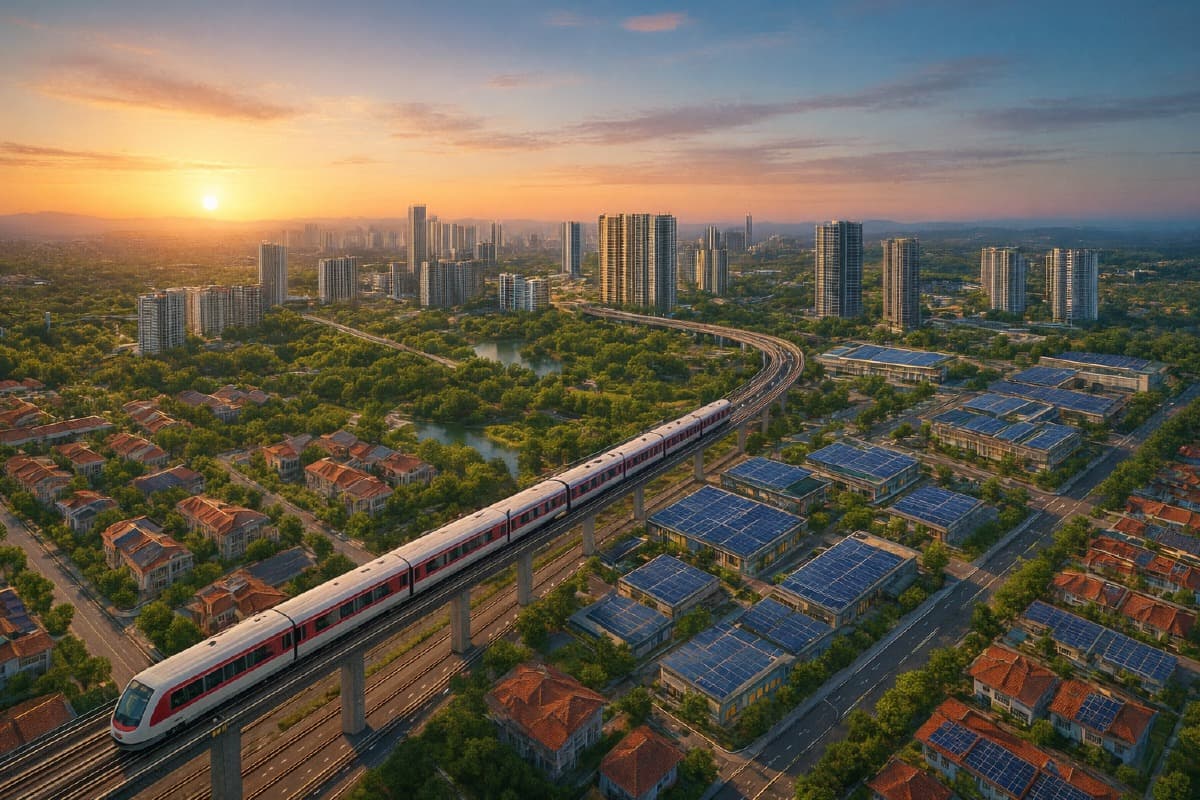
Khong says while some townships are starting to offer renewable energy solutions, he expects more or all to follow suit in the future. “Townships will have ready renewable energy solutions such as solar panels to promote sustainability and lower costs. There will also be electric vehicle charging ports or stations made available in the township and in the housing units.”
These factors directly influence market perception, rental yields and resale values by fostering vibrant, well-maintained and desirable neighbourhoods, says Foo.
“For businesses, vibrant commercial nodes and strong footfall enhance income potential, while residents benefit from convenience, social cohesion and overall well-being. Collectively, these elements support sustained market demand, reinforce property values and strengthen the economic resilience of the township,” he adds.
Sulaiman paints a bigger picture. “On a broader scale, with the enhanced liveability and inclusiveness of a township, not just for its owners and occupiers, but also for the expanded interested parties like the business community, SMEs and micro entrepreneurs, the community is potentially happier, having a better quality of life and physical, mental and economic well-being,” he says.
“This could help bridge the income gap in a society if it’s done right and equitably. Hence, creating a safer and harmonious neighbourhood that feeds into the national integrity agenda.”
In terms of ensuring longevity and preserving the value of a township, Sulaiman says it all depends on adaptive planning, sustainable practices, economic viability and active community engagement. Flexibility in land use, regular maintenance, integration of smart and green technologies and nurturing local businesses ensure that townships remain relevant and resilient, he adds.
“Continuous feedback from residents and the ability to adapt to demographic, technological and environmental changes are crucial to ensure that the township continues to be liveable, desirable and economically sustainable for decades,” he says.
Khong highlights that consistent innovation is the key to long-term sustainability in townships.
“On the property tech front, the target is to sustain and expand this base through AI-driven value enhancements while maintaining an asset-light and capital-recycling model. Developers can invest in AI and robotics-linked activities or revenue, including AI-integrated developments, digital subscriptions and robotics-as-a-service,” he says.
“This transforms property clusters into a recurring digital economy anchored by real assets, like in the case of i-City at the forefront. This new ecosystem fuses physical assets with digital layers, creating a city development that thinks, acts and learns via data and automation in the immediate future.”
Foo says townships must be underpinned by strong governance, ongoing reinvestment in public and community assets, as well as having well-planned maintenance strategies to sustain them. “Ultimately, the long-term success and valuation of a township depend on its ability to remain relevant, adaptable and well maintained, creating a resilient investment environment that continues to serve future generations.”
Setting benchmarks for townships across the country
Townships in Malaysia have significantly evolved over the years. Developers have also been more innovative with their projects. To explore which townships have it all, City & Country reached out to property consultants for their picks of the top self-sustaining townships in the country (in alphabetical order).
City of Elmina

Sime Darby Property Bhd’s (KL:SIMEPROP) City of Elmina development in Shah Alam has come a long way since its inception in 2000 with the 250-acre Bukit Subang township. The freehold mega development now spans 6,500 acres and comprises five townships.
In addition to Bukit Subang, there are Elmina East (1,088 acres), Elmina West (2,662 acres), Denai Alam (1,000 acres) and, the latest, Elmina Business Park (1,500 acres). Together, they form a self-contained development that is well connected by the Guthrie Corridor Expressway (GCE), as well as the Kuala Lumpur-Kuala Selangor Expressway (LATAR), the Damansara-Shah Alam Elevated Expressway (DASH) and the New Klang Valley Expressway (NKVE).
The 480-acre Elmina City Centre project was launched last year to serve as the commercial heartbeat of the development as well as the wider Guthrie Corridor. It is scheduled to be developed over a 15-year period and will comprise a 350-acre city centre component on the Elmina West side of the GCE and a 130-acre city square component on the Elmina East side.
The 350-acre city centre component adopts the 15-minute city urban planning concept, whereby the city’s main components are designed to be within 15 minutes’ walking or cycling distance. Meanwhile, the 130-acre city square component comprises multiple commercial plots.
Desa ParkCity

Developed by boutique developer ParkCity Group, Desa ParkCity pioneered the concept of new urbanism in the Malaysian property landscape with a well-curated master-planned township.
Spanning 473 acres in Kuala Lumpur, the site of the township was previously a quarry. The developer acquired the site in 1999 and launched the township in the early 2000s.
Today, Desa ParkCity is known as one of the most premium addresses in Kuala Lumpur. It features components such as landed and high-rise residential projects; popular commercial developments such as The Waterfront and Plaza Arkadia; an international school called International School @ ParkCity; and a private hospital, ParkCity Medical Centre.
The township also offers expansive green spaces such as the Central Park, a lakeside promenade and tree-lined streets, complemented by jogging tracks, multi-purpose courts, playgrounds and pet-friendly zones.
Maintenance of the township is ensured through in-house management of landscapes, infrastructure and amenities, supported by low-maintenance planting and rainwater harvesting. One of the developer’s initiatives to maintain the township in its top shape for the long run is by having income-generating assets like Plaza Arkadia and The Waterfront fund its upkeep without relying on local authorities.
Gamuda Gardens

From its humble beginnings as an abandoned rubber plantation and waste dumping ground, this 810-acre site in Rawang, Selangor, has been transformed into what is now the picturesque township of Gamuda Gardens.
Developed by Gamuda Land, the property arm of Gamuda Bhd (KL:GAMUDA), Gamuda Gardens was launched in 2017 and offers various property types. It features leisure, education and wellness facilities at Waterfront Village and Gardens Square. It also has entertainment facilities such as the FunPark family-friendly park, Big Bucket Splash waterplay and Skyline Luge Kuala Lumpur.
There are also five cascading lakes and two waterfalls there, which make up the wetland portion of the vast bio-diverse ecosystem of the 50-acre park. Together with the lush greenery and undulating lawns, the green lung is also a social and recreational hub for the community.
This pet-friendly park is open to both residents of the township as well as the general public. It offers numerous recreational facilities, including a 5.5km jogging loop, 1.5km forest trail where horse-riding activities are available, Adventure Playland, viewing towers and pavilions, picnic boat rides on the lake and bicycle rental for the community to explore the park on wheels.
Setia Alam

One of the biggest and most established townships in Malaysia, Setia Alam by S P Setia Bhd (KL:SPSETIA), which was introduced in the early 2000s, spans more than 4,000 acres. Today, the township offers residential and commercial developments as well as public infrastructure with a gross development value of more than RM20 billion.
Wellness is embedded in the township with access to quality medical facilities such as Setia City Healthcare and TGGD Clinic, as well as extensive green and open spaces, landscaped parks, tree-lined boulevards and ecological buffers that enhance biodiversity, air quality and recreational facilities.
The township nurtures local entrepreneurs by offering flexible retail and office spaces, curating tenancy mixes and hosting community events such as markets and festivals, while actively scouting for successful local brands to maintain authenticity.
Long-term maintenance is ensured through in-house facilities management, native-species landscaping, solar-powered lighting and water-efficient systems. Income from commercial hubs like Setia City Mall and Setia City Convention Centre supports the ongoing upkeep.
Setia Alam is well connected via the Setia Alam Expressway, which links directly to major routes such as the Federal Highway, NKVE, DASH, GCE, Shah Alam Expressway and Jalan Meru from Klang.
Sunway City Kuala Lumpur

Previously an 800-acre mining wasteland in Petaling Jaya, Selangor, Sunway City Kuala Lumpur (SCKL) has been transformed into a flourishing, fully integrated and sustainable city by Sunway Bhd (KL:SUNWAY).
Today, SCKL is home to more than 200,000 people who live, work, play and learn in a connected and sustainable community. The township houses three private universities — Sunway University, Monash University Malaysia and Taylor’s University — which together form the Triple Alliance, fostering academic collaboration and innovation.
Built on the 15-minute city concept, SCKL is connected seamlessly through elevated canopy walkways for pedestrians, a free shuttle service and Southeast Asia’s first elevated electric bus rapid transit (BRT-Sunway Line) that links to the KTM Komuter, light rail transit and mass rapid transit networks, ensuring major amenities are accessible within 15 minutes.
The township features residences, commercial hubs, hotels, a theme park and the country’s first themed mega mall. Its latest addition, Sunway Square, comprises twin commercial towers; a retail mall; a 1,200-seat, world-class performing arts centre; a university component; a 24-hour bookstore housing several million books; and a public square overlooking South Quay Lake.
It was Malaysia’s first township to be certified by the Green Building Index and later recognised by the Ministry of Natural Resources and Environmental Sustainability as the country’s first smart, sustainable and low-carbon city.
Save by subscribing to us for your print and/or digital copy.
P/S: The Edge is also available on Apple's App Store and Android's Google Play.