

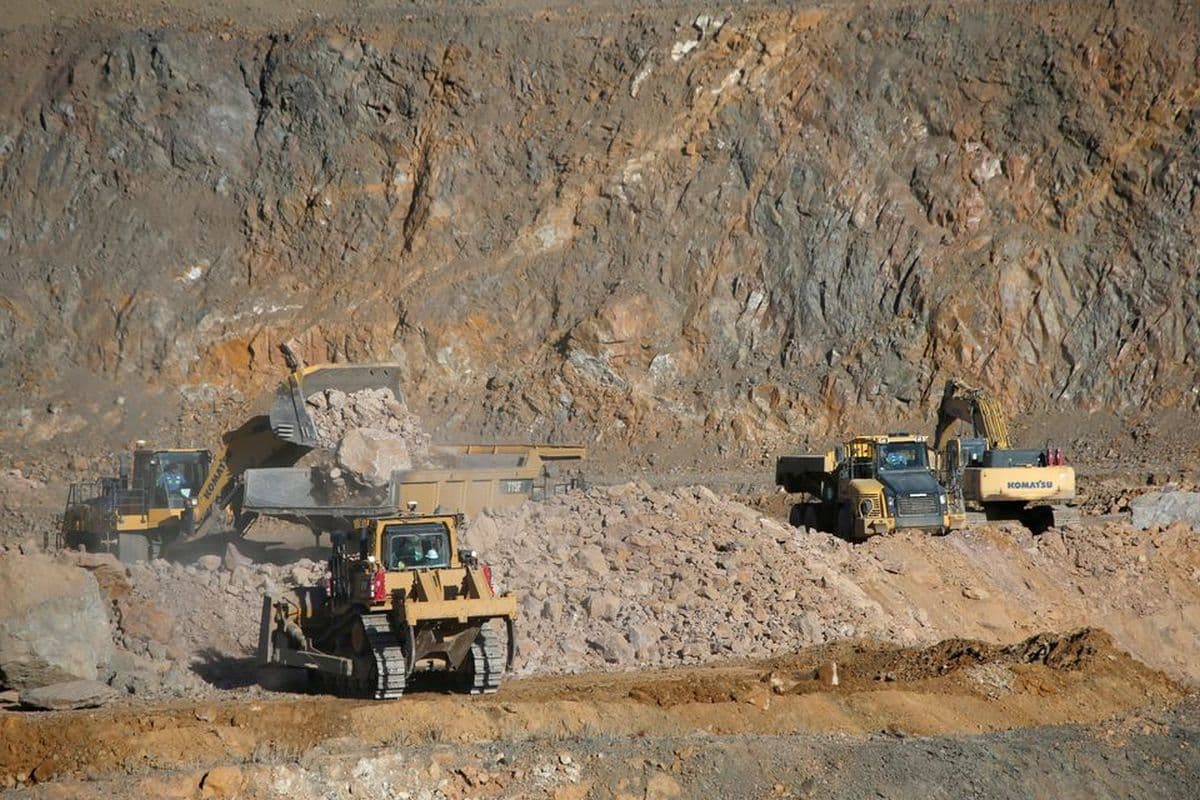
KUALA LUMPUR (Dec 19): Mineral resource developer Kelstone Sdn Bhd and the Japan Organization for Metals and Energy Security (Jogmec) have signed a memorandum of agreement (MOA) to explore rare earth resource potential in selected areas in Kelantan.
Kelstone is a company under Perbadanan Kemajuan Iktisad Negeri Kelantan (PKINK) while Jogmec is an incorporated administrative agency under Japan’s Ministry of Economy, Trade and Industry, with experience in rare earth exploration and resource evaluation globally.
The agreement was facilitated by the East Coast Economic Region Development Council (ECERDC) under an existing memorandum of cooperation between ECERDC and Jogmec, ECERDC said in a statement.
The agreement is intended to support structured collaboration on rare earth development in the East Coast Economic Region (ECER).
Under the MOA, the parties will conduct agreed surveys to assess the technical viability of rare earth resources and identify requirements for responsible development, in accordance with relevant regulations.
A joint management committee will be established to oversee the implementation of the collaboration, with ECERDC participating as an observer.
“The collaboration reflects a shared commitment to advancing responsible rare earth exploration, strengthening Malaysia-Japan cooperation, and supporting the development of a sustainable rare earth value chain that aligns with environmental, social, and governance principles,” said ECER in the statement.
The East Coast Economic Region covers Kelantan, Terengganu, Pahang, as well as the districts of Mersing and Segamat in Johor. The region is overseen by ECERDC, a statutory body tasked with implementing the ECER Master Plan, which was launched in 2019, and driving socio-economic development through policy direction, investment facilitation and regional planning.
The current ECER Master Plan is its second iteration and outlines strategies and projects to position the East Coast region as an Industry 4.0 hub, supporting long-term economic transformation and value creation beyond 2025.
ECER noted that its economic development strategy focuses on four main areas, which are food production, tourism, manufacturing, and the marine industry, supported by improvements in infrastructure, logistics, property development, and environmental sustainability.