

PUTRAJAYA (Dec 11): The East Coast Economic Region Development Council (ECERDC) signed a cooperation agreement with Japan’s agency Japan Organization for Metals and Energy Security (Jogmec) to boost technical collaboration on rare earth elements (REE) and mineral development in the East Coast Economic Region (ECER), which covers Kelantan, Terengganu, Pahang, and parts of Johor.
Terengganu holds the largest REE deposits in Peninsular Malaysia (7.19 million tonnes), followed by Kelantan (2.56 million tonnes, mostly in forest reserves) and Pahang (1.4 million tonnes).
Jogmec is an administrative agency under Japan’s Ministry of Economy, Trade and Industry.
The agreement, effective immediately until March 31, 2028, follows Prime Minister Datuk Seri Anwar Ibrahim’s October Asean Summit statement that Malaysia is ready to strengthen cooperation with Japan in REE and critical minerals.
Under the ECER Development Plan 2026–2030, mineral development is identified as a strategic sector, with ECERDC positioning the region as a key player in Malaysia’s REE landscape.
ECERDC said detailed exploration and resource verification continue to be major industry challenges. Through the agreement, ECERDC will leverage Jogmec’s extensive global experience in REE exploration and resource evaluation.
The cooperation will involve technical support in geological exploration, resource assessment, knowledge exchange and capacity building. ECERDC will coordinate activities with the state governments of Kelantan, Terengganu and Pahang, with initial work expected to begin in Kelantan in the near term.
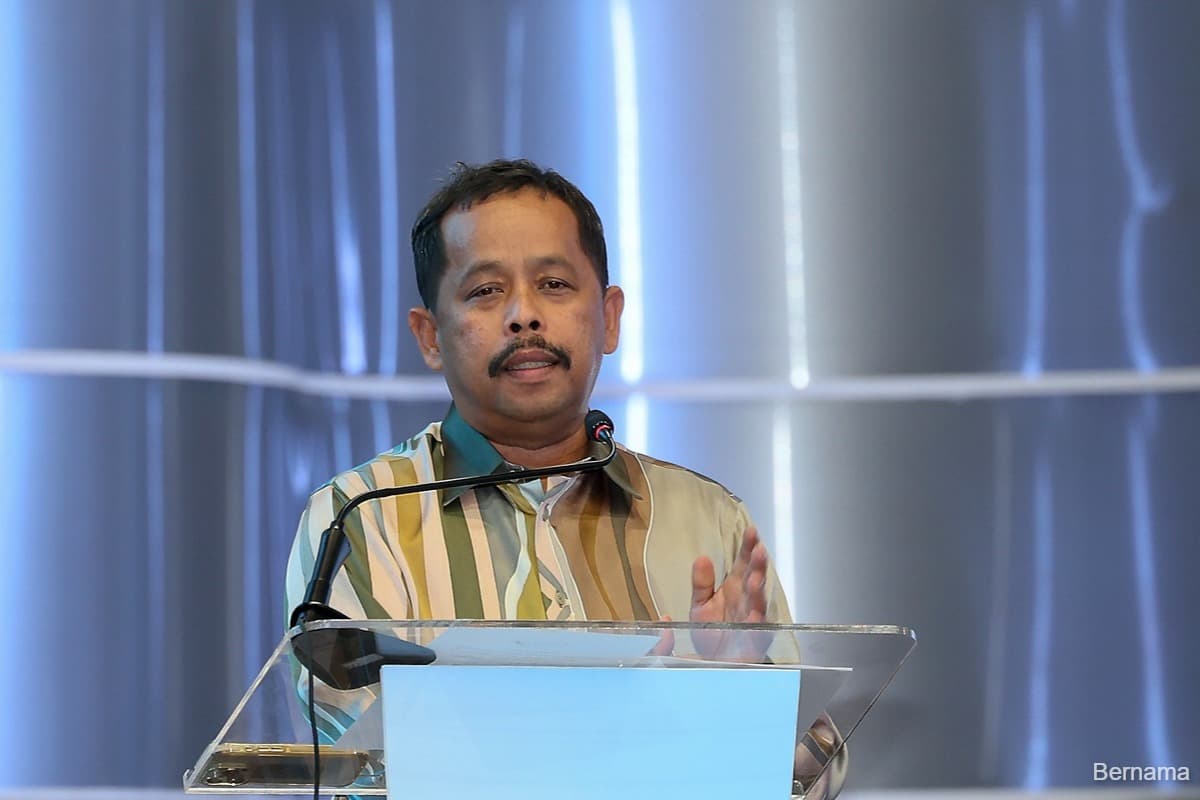
“ECER has both the resource base and industrial readiness to become Malaysia’s leading REE corridor. This cooperation with Jogmec strengthens our upstream capabilities so we can grow responsibly and competitively, while ensuring the ECER value chain is ready for long-term investment,” said ECERDC chief executive officer Datuk Baidzawi Che Mat.
The MOC comes as ECER advances its midstream and downstream REE ecosystem. Lynas Malaysia has expanded its annual production capacity to 10,800 tonnes and plans to process 5,000 tonnes of heavy rare earths in Malaysia.
Downstream, Lynas and South Korea’s JS Link plan to build a RM600 million neodymium-iron-boron permanent magnet plant in Kuantan, targeted to begin operations around 2027.