

This article first appeared in The Edge Malaysia Weekly on December 1, 2025 - December 7, 2025
FOR decades, China was seen as the world’s factory, churning out steel, textiles, footwear, toys, electronics, automobiles — you name it. Its massive industrial output was made possible by a huge population and low labour costs.
That view of China is outdated. It is no longer exporting just manufactured goods. The world’s second largest economy is now also exporting business models, business mentality, consumer culture and entire service industries, with its influence increasingly felt across markets, including Malaysia.
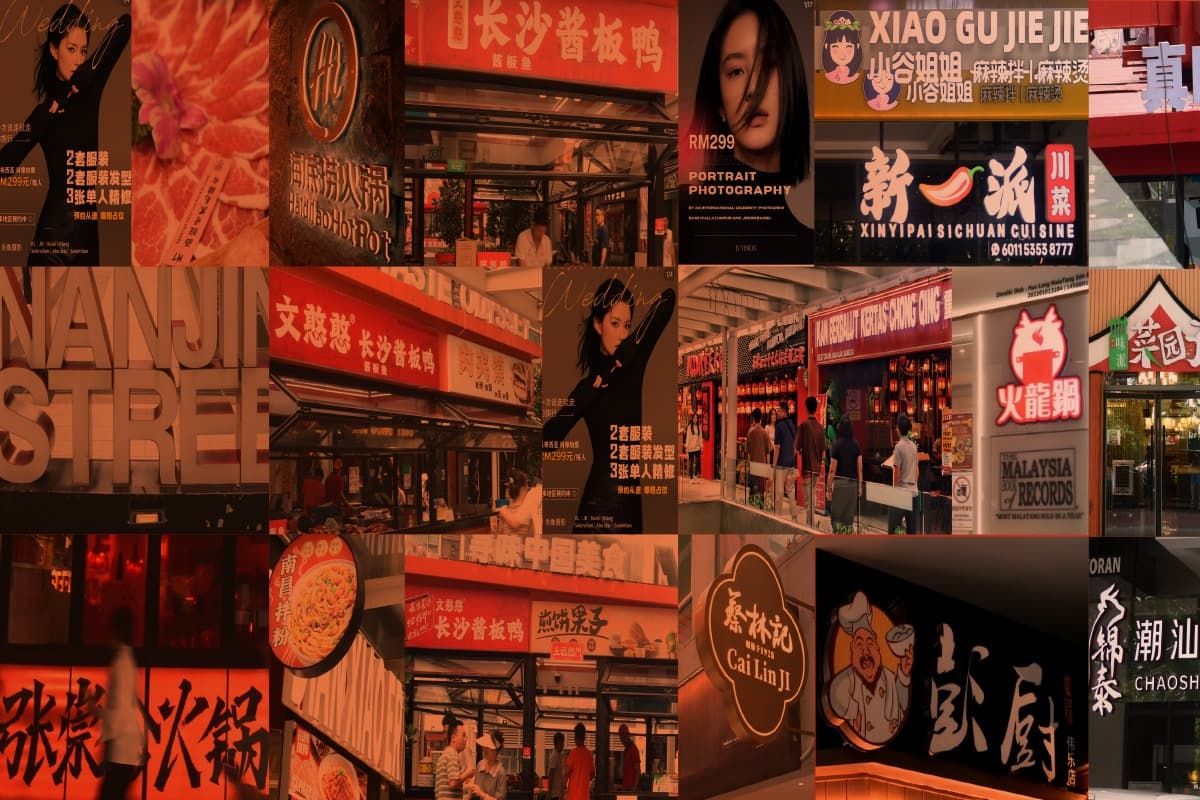
A growing number of mainland Chinese-origin brands has entered the local market with speed and scale. In the food and beverage (F&B) space alone, names such as Haidilao, Mixue, Lucky Cup, Chagee and Luckin Coffee are changing what Malaysians think about service, pricing, sourcing and branding.
At the premium end, Haidilao set the gold standard for service intensity and customer experience. In the mass market, Mixue and Lucky Cup drove prices to levels local operators struggle to match.
This pattern is replicated in lifestyle, retail and services.
Pop Mart — famous for its highly sought-after Labubu collectibles — has turned designer toys into a mainstream retail phenomenon. Shein reshaped online fast-fashion habits with its ultra-affordable pricing, while HLA countered the trend by rapidly expanding its bricks-and-mortar stores.

The wave extends into other sectors. In the automotive sector, BYD and Chery have quickly become serious contenders with aggressive pricing and rapid model roll-outs, while car maintenance is being disrupted by Tuhu, a Chinese vehicle-service chain operating more than 7,200 workshops in China.
On the tech front, Huawei, Xiaomi, Vivo and Oppo have been steadily gaining market share in smart devices and home gadgets, challenging the supremacy of American and South Korean brands.
In social media, Xiaohongshu (known in English as RedNote) and TikTok are now cultural anchors for young consumers, while Lazada and Taobao — both controlled by the Alibaba Group — remain the favourite online marketplaces of many Malaysians.
Even Chinese entertainment content — from reality shows, palace dramas to animated films like Ne Zha — is becoming more popular with Malaysian audiences.
The pace of overseas expansion by Chinese businesses is also a reflection of the environment in China, where many sectors are grappling with oversupply, slowing demand and relentless price wars.
Profit margins have collapsed to the point where a number of companies are engaging in what some describe as self-destructive price wars. This feeling is captured by a stark, colloquial observation, that the companies prefer to “kill themselves rather than be killed by competitors”.
This suicidal sentiment is intertwined with neijuan or involution — a phenomenon of self-reinforcing, excessive competition, where companies continue to invest and expand even as returns weaken. Rather than focusing on new differentiation, businesses rely on undercutting rivals as a quick way to grab market share.
The result is a vicious cycle of narrowing margins, deteriorating industry conditions and a growing push for companies to look overseas for survival.
This dynamic is now spilling into Malaysia, where some mainland Chinese operators are shaking up the market with headline grabbing offers, such as photography packages priced as low as RM299, though such advertisements often do not disclose the full costs.
From F&B to renovation, fast fashion, wedding services and car workshops, local small and medium enterprises (SMEs) are under mounting competitive pressure amid the influx of and relentless expansion of mainland Chinese businesses here.
A survey by the Associated Chinese Chambers of Commerce and Industry of Malaysia (ACCCIM), published on Nov 22, found that 45.1% of 245 Malaysian business owners polled are pessimistic about their industry’s competitiveness against Chinese businesses over the next five years.
Competition is described as “intense or very intense” by 70.9% of those polled, while 86.4% of respondents state pricing pressures as the most significant impact.
According to 52.9% of respondents, unlicensed operators — particularly in wholesale, retail, motor vehicle repair, construction, manufacturing and professional services — have created an uneven playing field.
So, how should Malaysia respond?
Prosper thy neighbour
Datuk William Ng, national president of the Small and Medium Enterprises Association of Malaysia (SAMENTA), says Malaysia is a “relatively open market”, with competitive operating costs and a fast-growing middle class that make it an appealing launch pad for mainland Chinese entrepreneurs, particularly in F&B and lifestyle services.

“On the push side, intensifying competition and slowing consumer demand in China are driving many operators to seek opportunities abroad. Given the cultural and language familiarity, Malaysia is naturally one of the easiest markets for them to enter. This is particularly evident in the hotpot segment, where we’ve seen a rapid mushrooming of mainland Chinese brands,” he tells The Edge.
Theoretically, the presence of foreign players should be a positive for the industry, as competition and choice generally lead to innovation and capability-building, Ng says.
“In reality, however, many of our local retailers and F&B operators are already under tremendous cost and compliance pressures. These pressures drain the resources and resilience of local SMEs.
“When faced with well-funded and highly organised competitors, our businesses often end up losing ground. It’s not because we lack the entrepreneurship or creativity but because of the concurrent pressures,” he argues.
Unlike foreign investments in the industrial sector, where local supply chains are strengthened over time, mainland Chinese entrants in the retail and F&B sectors do not necessarily generate meaningful spillover benefits, says Ng.
“It is not uncommon for these outlets to be almost entirely China-sourced — from cutlery and crockery to kitchen equipment, raw materials and even point-of-sale systems.
“Some operators bring in prefabricated store structures, resulting in zero or negligible need for local contractors, technicians or fit-out services. Without localised value creation, these investments contribute very little to the domestic economy while disrupting local businesses, with no certainty that they will remain for the long term,” he observes.
The competition has spilled over into commercial leasing. Landlords are increasingly inclined to lease to better capitalised mainland Chinese operators who can afford the higher rents for prime locations.
“If the business underperforms, they can simply pack up and leave. But the higher rental benchmarks remain. Local businesses and landlords are then stuck with unrealistic rental expectations, turning what appears to be a win-win on paper into a lose-lose situation for everyone,” Ng flags.
As such, SAMENTA encourages the Chinese government and mainland-linked business groups in Malaysia to adopt a “prosper thy neighbour” approach.
“This means ensuring that a substantial portion of their value chain is localised by using local contractors, engaging local suppliers and sourcing responsibly from Malaysian businesses. Such localisation would reduce public resentment, strengthen community acceptance and improve the long-term sustainability of their investments in Malaysia,” says Ng.
Visa relaxation and MM2H factors
Teh Kee Sin, adviser and founding president of the SME Association of Johor Selatan, concurs that Malaysia has always operated with an open-market mindset.
“Our business environment is friendly, the entry barriers are low, and we allow 100% foreign ownership in many sectors. For services — F&B, retail, trading — it’s straightforward compared with places like Singapore, where procedures are far more rigid. Costs here are also lower, from rental and labour to overall living standards, so it’s attractive for foreigners setting up businesses,” he explains.
Another driving force behind this Chinese wave are visa relaxation and programmes such as Malaysia My Second Home (MM2H), says Teh.
“These policies naturally pull more Chinese nationals into Malaysia, whether for tourism or longer stays, and many of them end up registering businesses here. It’s the same phenomenon we see when Malaysians travel overseas — we support familiar brands.
“Chinese tourists do the same when they see their own brands here. Add the surge of visitors linked to regional events and travel patterns, and you get the momentum behind these Chinese F&B chains,” he reasons.
Effective July 17, eligible Chinese citizens no longer need a visa to enter Malaysia. Each stay should not exceed 30 days, with a cumulative limit of 90 days within any 180-day period.
Chinese nationals form the largest group of MM2H holders by a wide margin, with 3,414 principal and dependent pass holders as at Aug 31. In total, Malaysia has 5,972 MM2H participants — 2,134 principals and 3,838 dependents — according to the Minister of Tourism, Arts and Culture Datuk Seri Tiong King Sing.
Like it or not, says Teh, the influx of Chinese businesses, tourists and nationals in Malaysia is forcing local SMEs to level up.
“China’s population and competition are intense, so their operators are used to delivering top-tier consumer experiences. When they replicate that here, the question is whether Malaysian SMEs can keep up. Many feel stressed because competition has moved to a completely different level,” he admits.
On the positive side, consumers gain.
“We now have more options — not just steamboat but bubble tea, noodles, coffee chains. Chinese brands tend to emphasise speed, efficiency and reasonably priced offerings with comfortable settings. Their standards push the overall market higher.
“So, the entry level has risen. Renovation, ambience, service — these are now baseline expectations. Malaysian SMEs must modernise or risk being replaced,” Teh says.
‘Full-chain model’ for consistency
The Malaysia Chinese Restaurant Association (MCRA) says there are currently over 18,000 Chinese F&B brands operating in Malaysia, covering a wide variety of cuisines, barbecue concepts and tea-drink outlets. Hotpot brands account for roughly one-third of these businesses.
“Malaysian consumers are increasingly receptive to the diverse flavours of Chinese cuisine, while Chinese F&B companies have strong capabilities in branding, supply chain management and standardised operations that allow them to quickly replicate successful models while maintaining control over quality and cost,” the association tells The Edge.
In addition, Malaysia’s multicultural environment gives Chinese cuisine a natural advantage, while the willingness of local F&B operators to collaborate with Chinese brands or introduce franchising models has also been a driver of growth.
MCRA acknowledges that some of the larger Chinese restaurant chains opening in Malaysia opt to import equipment, renovation materials, as well as core seasonings and ingredients directly from China.
This “full-chain model” is mainly intended to ensure brand consistency and flavour stability during the early stages of expansion, the association stresses.

“Based on our observations, as these brands gradually establish themselves in Malaysia, they ultimately need to work with local suppliers, cold-chain logistics providers, renovation companies and advertising agencies, forming complementary and mutually beneficial relationships.
“Over the long term, this will help upgrade and professionalise Malaysia’s restaurant supporting industries, rather than simply create competition,” says MCRA.
The association contends that regardless of whether they are Chinese- or Malaysian-owned, all F&B businesses face similar challenges today — continuous increases in rental, labour and ingredient costs, as well as a shortage of skilled workers.
“For Chinese brands in particular, the early-stage difficulties often include unfamiliarity with local regulations and labour rules, the need to adjust flavours for the local market and managing cross-cultural teams.
“Our association provides support in areas such as policy advisory, industry training, communications with government agencies, and facilitating resource sharing and collaboration among members,” it says.
MCRA foresees that Chinese cuisine will remain popular in the coming years, but the market will mature, with brands settling into clearer segments and competing more sensibly.
“Strong brands will deepen localisation efforts, focus on flavour adaptation, customer experience and brand building. At the same time, the industry is likely to experience some consolidation, forming a competitive landscape centred on brand strength, quality and management capabilities.
“Overall, the Malaysian market still has room to grow, but long-term commitment and local integration — not short-term expansion — will be the key to success,” the association notes.
Datuk Tony Ong Leong Chiou, the executive director of Daruma Capital Sdn Bhd, which operates Japanese-inspired café chain Chizu, and Chinese and traditional Japanese concept buffet restaurant Teien, highlights that Malaysia is one of the most Chinese language-friendly markets outside Greater China, with Mandarin and various Chinese dialects being widely spoken in daily business and retail settings.
“This significantly lowers adaptation barriers and makes Malaysia a natural first expansion destination for mainland Chinese entrepreneurs. It enables them to operate, market and hire more efficiently compared with other Southeast Asian markets,” he says.
From an economic standpoint, new entrants bring fresh ideas, higher service standards and competitive pricing, which should be viewed as healthy, Ong says.
Nevertheless, he acknowledges that the intensified competition will test the adaptability and resilience of Malaysian players.
“In renovation, retail, beauty and wedding-related services, mainland Chinese entrepreneurs often bring their own supply chains, materials and contracting teams.
“On the one hand, they introduce new methods, faster project delivery and competitive pricing, which can benefit consumers. On the other hand, the reliance on imported supply chains means value creation can be more contained within their networks, limiting spillover benefits to Malaysian suppliers,” he says.
Daruma Capital also runs the Japanese shabu-shabu restaurant Yosen, as well as a wholesale croissant and pastry business.
Overall, says Ong, the Chinese wave is reshaping Malaysia’s business ecosystem, bringing both competitive pressure and new opportunities.
“With the right industry responses, Malaysia can capture greater value by enabling local firms to plug into these evolving cross-border networks.”
Informal operators should come under scrutiny

Datin Yap Shin Siang, CEO of YYC group — a home-grown Malaysian firm offering professional services such as accounting, taxation, audit and business advisory to companies — tells The Edge that mainland Chinese businesses basically fall into two groups.
The first is the more established, long-term players. These are the companies that come in, set up a Malaysian entity, follow the regulations, hire local contractors and build real partnerships here.
“Many of them are quite large, and their presence actually brings positive spillover. When big foreign corporates take up multiple floors in an office tower, for example, it lifts occupancy, boosts the surrounding businesses and creates jobs. They understand that to do well in Malaysia, you must maintain good local relationships,” Yap says.
The second group is the one Malaysia needs to pay closer attention to. These are smaller, more transient set-ups.
“Some come in on tourist or social visit passes and, based on immigration rules, those passes don’t allow them to conduct business or earn income here. Given that they’re not properly registered, they don’t pay taxes, don’t provide receipts, and if anything goes wrong, consumers have nowhere to go. Yes, their prices may be cheaper, but the risk [for consumers] is higher,” says Yap.
The concern lies with these short-term, informal operators who “compete unfairly and contribute very little” to Malaysia’s ecosystem, she adds.
Yap says, however, that the pressure on local SMEs is coming not only from Chinese businesses; they are facing disruptive forces everywhere — from technology and artificial intelligence, to global competition and rising costs.
“Even without foreign entrants, SMEs would still need to evolve. So yes, foreign imports reduce some local value, but the bigger strategic question for Malaysian SMEs is: ‘How am I going to stand out?’,” she says.
“We don’t need to be end-to-end to compete. We just need to be clear about where we can differentiate. SMEs need to shift from asking, ‘How do I compete on price?’ to ‘Where can I win based on strengths that others cannot easily copy?’.”
To tackle the issue of informal operators, Yap says enforcement should prioritise clarity and consistency, rather than impose harsh punitive measures across the board.
She suggests following the example of Singapore, where rules are clearly published so everyone knows what is allowed. The country also has a proper tip-off system, penalties are meaningful and visible, and industry associations collaborate with the government.
“In Singapore, sectors like photography and videography cannot legally hire foreign freelancers on tourist or student visas. If they do, it breaches the Employment of Foreign Manpower Act. The penalties are serious — fines up to S$20,000 (RM63,705), or even jail. And industry groups actively monitor and report offenders. That level of structure helps maintain fairness,” she says.
Yap recommends that Malaysia adopt similar best practices.
“It’s not about blocking investors; it’s about ensuring that anyone who earns income here, whether foreign or local, operates responsibly and contributes to the system.”
Save by subscribing to us for your print and/or digital copy.
P/S: The Edge is also available on Apple's App Store and Android's Google Play.