

This article first appeared in The Edge Malaysia Weekly on November 24, 2025 - November 30, 2025
WHEN Sabah holds its 17th state election on Nov 29, incumbent Datuk Seri Hajiji Noor will face a mounting challenge to win a second term as chief minister, with a host of actors ready to knock him off his seat.
First in line is Datuk Seri Mohammad Shafie Apdal of Parti Warisan, whom Hajiji, who heads the Gabungan Rakyat Sabah (GRS) coalition, had ousted in the previous state election five years ago.
Hajiji’s camp includes two sons of Sabah governor Tun Musa Aman, a former Umno strongman and chief minister up until 2018. As Barisan Nasional (BN) collapsed at the federal level in the 14th general election, Musa’s 15-year rule was ended by none other than Shafie.
As GRS and Warisan go neck and neck heading into the polls, neither is seen as able to secure a simple majority. This incentivises smaller parties to try to get a piece of the action, as winning even one seat could land a spot at the negotiation table post-election.
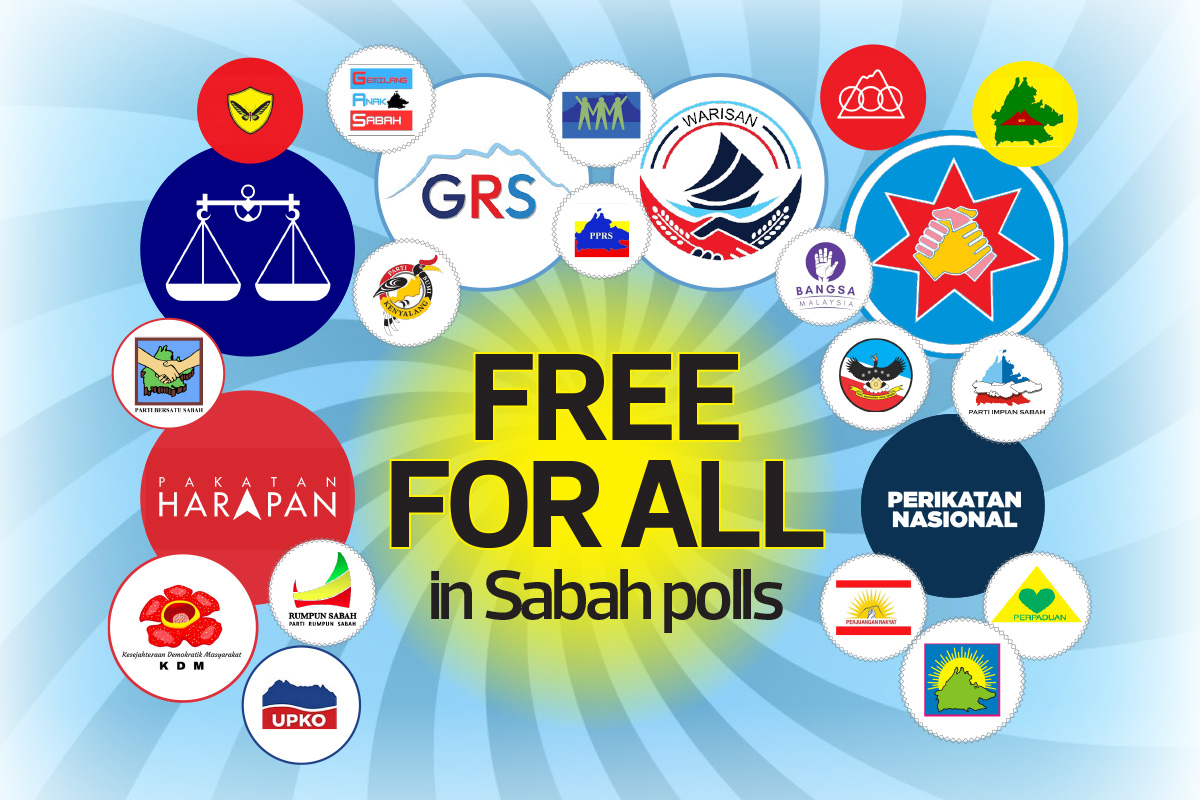
The jostling is reflected in the large array in the arena — with 521 candidates from 33 political parties in the running, alongside 74 independents, a large pool for an electorate of some 1.8 million voters.
They include local parties Parti Solidariti Tanah Airku (STAR), led by Datuk Seri Jeffrey G Kitingan, and United Progressive Kinabalu Organisation (Upko), led by Datuk Ewon Benedick.

These local parties severed ties with their peninsula-based partners just before the polls, capitalising on the rising “Sabah First” sentiment as Sabah’s claim to 40% of its state revenue from the federal government came under the spotlight.
The sentiment has existed since at least the 1980s, but it now resonates strongly with urbanites and younger voters, especially those under 30, who make up 30% of Sabah’s electorate in this election. Whichever way these fence-sitters lean could determine the winner.
The sentiment is difficult for Hajiji’s GRS to navigate because of its ties with the Pakatan Harapan (PH) coalition — a point of contention that STAR, synonymous with the Kadazandusun-Murut community, used to justify its split last month.
GRS also faces a perception problem after one of its assemblymen was charged in court over alleged corruption linked to the mining licence scandal that erupted late last year. Hajiji himself has been cleared of any wrongdoing in the case, which involved a businessman allegedly paying bribes to expedite a mining licence application with the knowledge of top government leaders.
For both GRS and Warisan, failing to emerge on top in this highly contested election could threaten their chances of long-term survival.
The fight also continues between warring parties Umno and its breakaway Bersatu, both seeking to regain lost ground here as part of broader efforts to strengthen their positions in national politics.
BN, led by Umno’s Datuk Seri Bung Moktar Radin, and Perikatan Nasional, led by Bersatu’s Datuk Seri Ronald Kiandee, are contesting without direct support from local parties. PAS, under PN, is also testing whether its growing presence in Peninsular Malaysia can spill over into the east.
Ultimately, the shifting ground is a test of Putrajaya’s influence in Sabah politics — a state whose leadership was almost always aligned with the federal government in the past — and the outcome will feed back into long-term federal dynamics. Sabah holds 25 parliamentary seats, and having a friendly state government strengthens prospects in the Dewan Rakyat ahead of GE16 in two years’ time.
Beyond the campaign noise, the 18 parties, four coalitions and 74 independent candidates are keeping their doors open for new alliances by contesting solo, avoiding any move that might trigger the anti-party hopping law that came into force in mid-2023.
Almost all parties have openly said they are open to post-election pacts, to the extent that many are reluctant to name their chief minister candidate, as even winning the most seats does not guarantee the top post.
Sabahans are spoilt for choice, but they remain divided on who can best serve as a local champion — someone able to take a firm stance in negotiations on Sabah rights with the federal government and accelerate socioeconomic development that has long lagged behind most other states.
At more than half the size of Peninsular Malaysia, Sabah offers vast opportunities for rapid development through strategic projects in power, internet, road and water infrastructure, driven by its low starting base and its push for more income-generating ventures beyond traditional commodity sectors such as oil and gas and palm oil.
All in all, Sabah easily takes the cake for having the most colourful and democratic election in Malaysia. As the outcome of Sabah’s 17th state election is set to influence the country’s broader political dynamics, both the results and the negotiations that follow among the winning parties will be closely watched.
Save by subscribing to us for your print and/or digital copy.
P/S: The Edge is also available on Apple's App Store and Android's Google Play.