

This article first appeared in Forum, The Edge Malaysia Weekly on November 10, 2025 - November 16, 2025
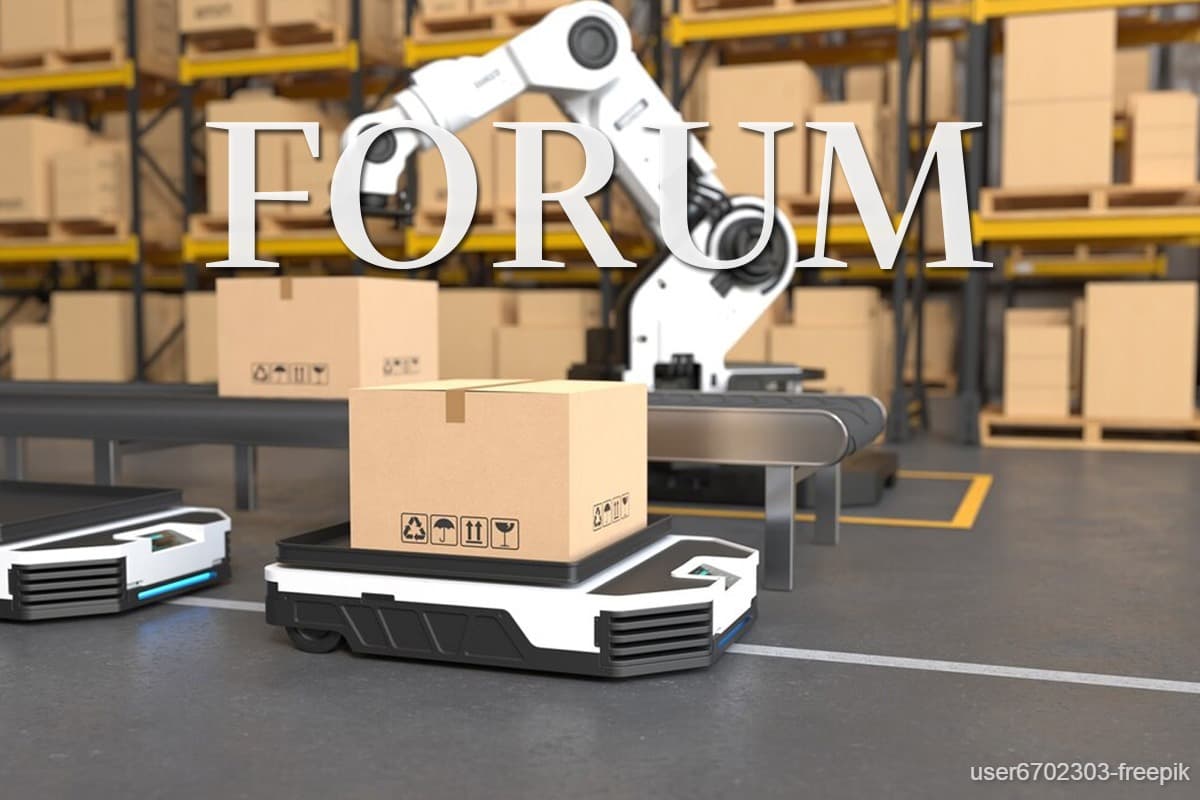
Industry 5.0 marks a transformative shift in Malaysian industries, aligning with global trends to redefine how we manufacture goods. In a few countries the new industrial innovative trend already goes beyond automation, enabling autonomous manufacturing without people on the shop floor and removing the need for warehousing by leveraging cutting-edge technologies like artificial intelligence (AI)-driven automation, Internet of Things (IoT) connectivity, real-time data analytics, and robotics/cobotics.
Here’s how Industry 5.0 achieves this bold vision:
1. Fully autonomous manufacturing systems
‘Lights-out manufacturing’
Industry 5.0 introduces “lights-out factories”, where facilities operate entirely without human presence. Advanced robots, AI and machinery take over all processes, from raw material handling to final product packaging. These systems work seamlessly 24/7, ensuring precision and efficiency.
The key technologies supporting this transformation are:
- AI-powered robotics for adaptability and precision.
- IoT sensors for real-time monitoring and control.
- Edge computing for faster decision-making by processing data locally.
- Quantum computing (in the future) to handle immense data volumes and high-speed decision-making.
These new technologies are self-learning systems.
AI systems continue to evolve, learning from data to adapt to new tasks and improve efficiency autonomously. This eliminates human intervention in routine operations and will result in much fewer mistakes.
2. Digital twins for virtual monitoring
Factories are now digitally replicated using digital twin technology, providing managers with real-time virtual representations of operations. These replicas allow remote monitoring and control of production, machinery and workflows, including advanced quality management systems.
Autonomous maintenance
Predictive maintenance, powered by IoT and machine learning, identifies and resolves equipment issues before they disrupt operations. Repairs are handled by robots and software, further reducing downtime and reliance on human intervention.
3. No more warehousing: On-demand supply chains
Just-in-time manufacturing
With Industry 5.0, in the mid-term, warehousing becomes obsolete. Production is synchronised with real-time demand, ensuring goods are manufactured and delivered directly to end-users or downstream operations as needed. This approach minimises inventory and cuts costs.
Hyperconnected supply chains
AI and IoT enable real-time synchronisation between suppliers, manufacturers, and customers. Materials arrive precisely when and where they are needed, ensuring a streamlined supply chain.
Distributed manufacturing — ‘locationing’
Instead of relying on centralised factories, Industry 5.0 favours decentralised production hubs closer to customers. Additive manufacturing (for example, 3D printing) enables localised, on-demand production, reducing transport emissions and costs. This results in a tremendous gain for increased sustainability.
Autonomous material handling
Automated vehicles, drones and robots manage materials within factories and across supply chains. These systems optimise transportation, reduce delays, and eliminate the need for intermediate storage.
4. AI-driven supply chain orchestration
Real-time demand forecasting
AI algorithms CX — the Customer Experience module of data management platforms accurately predict customer needs, enabling factories to produce only what is really needed. This approach reduces overproduction, waste and excess inventory. Additionally, manufacturers can receive payment before production begins, improving cash flow.
Dynamic routing in logistics
Autonomous systems optimise delivery routes, ensuring efficient transport of materials and finished products without centralised storage hubs.
5. Advanced robotics and cobots
Autonomous Robots
Next-generation robots can handle complex tasks such as assembly and inspection without human intervention. These robots adapt to changes in production requirements and operate safely and efficiently.
Cobots beyond collaboration
Cobots, which were initially designed to work alongside humans, have evolved into fully autonomous systems that independently manage tasks while maintaining safety and precision.
6. Sustainability as a core principle
Zero-waste production
Autonomous manufacturing systems optimise resource usage with AI and IoT, minimising waste. By-products are recycled or repurposed directly within the production process, creating a circular economy.
Energy optimisation
Factories powered by renewable energy sources rely on AI systems to optimise energy consumption, ensuring sustainable operations.
7. AI-driven quality control
Autonomous inspection
AI-powered computer vision systems inspect products in real time, ensuring quality without human involvement. These systems detect defects early and adjust production settings to prevent errors.
Self-optimising production
AI continuously analyses production data, refining processes to ensure consistent quality and efficiency.
8. Blockchain for transparent supply chains
Decentralised tracking
Blockchain technology provides full visibility and traceability of materials and products across the supply chain. This transparency eliminates the need for warehousing by enabling seamless tracking and accountability.
Smart contracts
Blockchain-based smart contracts automate transactions between suppliers and manufacturers, ensuring materials are delivered directly on time where they are needed.
9. Distributed manufacturing networks
Local production hubs
Industry 5.0 relies on smaller, distributed production facilities rather than large, centralised factories. These hubs produce goods closer and faster to end users, reducing transport costs, emissions and the need for large storage facilities.
Additive manufacturing (3D printing)
Advanced 3D printing technology supports on-demand production of components and products, close to customers by eliminating the need for warehousing altogether.
Key benefits of Industry 5.0
- Lower labour costs: Autonomous systems eliminate the need for human presence on the shop floor.
- Faster production cycles: Factories operate 24/7 with minimal downtime.
- Reduced environmental impact: Just-in-time manufacturing and localised production minimise waste, energy consumption and transportation emissions.
Conclusion: ‘Locationing’ is the future on a global scale
Industry 5.0 is reshaping manufacturing by eliminating human presence on the shop floor and removing warehousing along supply chains. By combining AI-driven automation, real-time data analytics, and hyperconnected supply chains, it creates lean, sustainable and decentralised systems that deliver high-quality products on demand while minimising waste and environmental impact.
The shift to ‘locationing’ also paves the way for circular economies, where resources are reused and recycled, ensuring long-term sustainability. For Malaysia, embracing Industry 5.0 is not just about keeping up with global trends, it’s about leading the future of manufacturing.
“Locationing”: This is my very own invention. Years ago, after the arrival of 6G with zero latency data transmission rate, I developed a new English word which captured the idea of distributed, proximate to customers and on-time production facilitation. The term “locationing” will be an excellent addition to the evolving vocabulary of Industry 5.0 and global manufacturing strategies. Here is a meaningful interpretation:
‘Locationing’ in the context of Industry 5.0
“Locationing” refers to the strategic placement of manufacturing facilities closer to end customers, enabling decentralised production, faster delivery, a greater alignment with local market demands and additional Net Zero opportunities. This concept aligns with the principles of distributed manufacturing and on-demand production and supplies which are key features of advanced, sustainable supply chains in Industry 5.0.
Key benefits of ‘locationing’
1. Reduced transport costs and emissions
By manufacturing products closer to customers, companies can significantly cut transport costs and carbon emissions, supporting sustainability goals.
2. Faster turnaround times
“Locationing” allows manufacturers to respond to customer needs more rapidly by reducing lead times for production and delivery.
3. Localised customisation
Manufacturing facilities closer to customers can cater to local preferences and cultural demands, enabling hyper-personalisation of products.
4. Supply chain resilience
Decentralising production through “locationing” mitigates risks associated with global supply chain disruptions, such as delays in shipping or geopolitical issues.
How ‘locationing’ fits into Industry 5.0
Distributed manufacturing networks
“Locationing” supports the shift from centralised mega-factories to smaller, modular production hubs located near key customer markets.
Additive manufacturing (3D printing)
With technologies like 3D printing, products can be manufactured on-demand at localised facilities, eliminating the need for mass production and warehousing.
Sustainability and efficiency
“Locationing” ensures efficient resource use by minimising the distance products travel and supporting circular economy practices through local recycling and reuse of materials.
Conclusion
“Locationing” encapsulates the future of manufacturing where proximity to customers drives efficiency, customisation and sustainability. It perfectly represents the Industry 5.0 goal of human-centric, decentralised and sustainable production systems, ensuring businesses stay competitive while addressing environmental and customer-centric needs.
Tan Sri Rainer Althoff is a strategic consultant on global digital transformation and a former CEO of Siemens Malaysia
Save by subscribing to us for your print and/or digital copy.
P/S: The Edge is also available on Apple's App Store and Android's Google Play.