

KUALA LUMPUR (Nov 6): Malaysia is identifying ways to curb potential car price increases once the excise duty exemption for locally-assembled vehicles ends later this year.
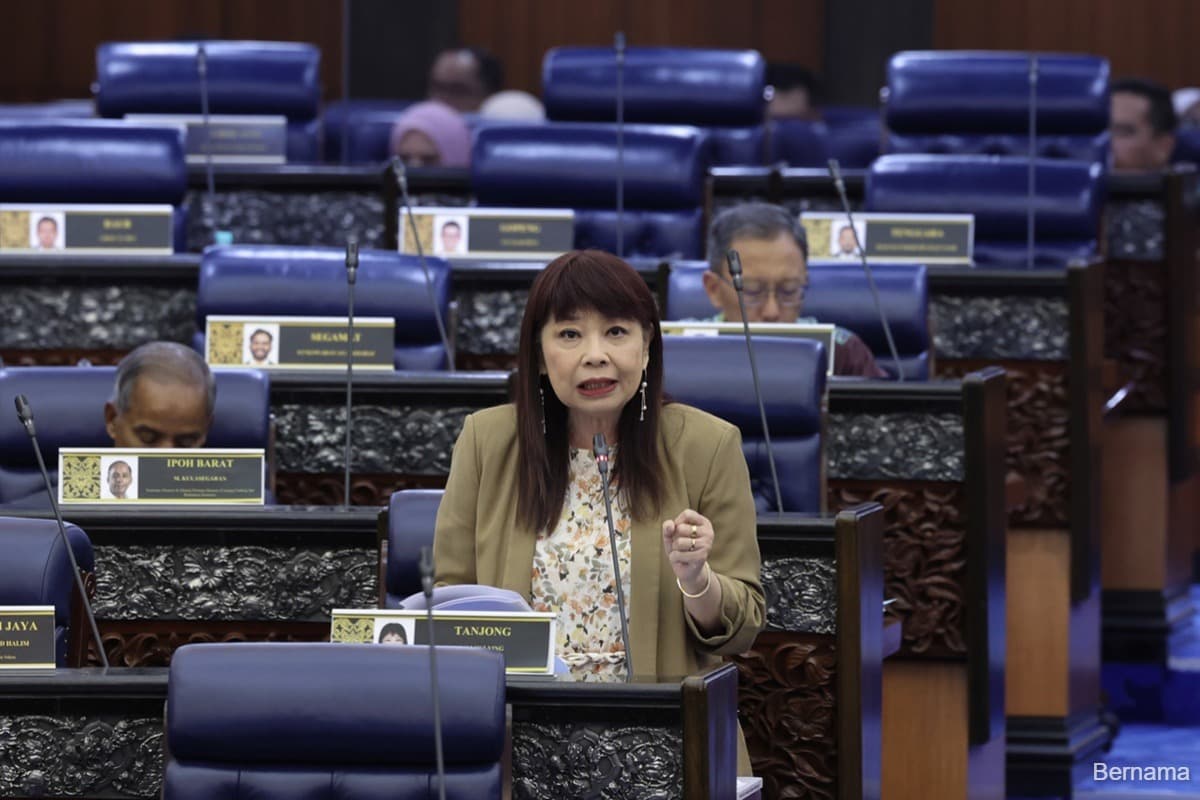
The government is currently gathering data and holding consultation sessions with industry players to obtain feedback and find workable solutions to address concerns over the impact of the regulation on locally assembled vehicles, said Deputy Finance Minister Lim Hui Ying.
The actual impact on vehicle prices has yet to be determined, she noted, as local assemblers operate under different business models that lead to inconsistencies in excise duty calculations.
“Nevertheless, the government will take mitigation measures to minimise the impact on the public,” she told the Dewan Rakyat during the oral question-and-answer session on Thursday.
Lim was responding to Datuk Shamshulkahar Mohd Deli (BN–Jempol), who asked whether the government intends to proceed with or defer the enforcement of excise duties on locally assembled vehicles, also known as completely knocked down products.
The government has been granting exemptions exclusively for locally assembled vehicles since the P.U.(A) 402/2019 — Excise Regulations (Determination of the Value of Locally Manufactured Goods for the Purpose of Imposing Excise Duty) came into effect in 2020.
The regulation seeks to expand the scope of automotive excise duties for locally assembled vehicles to include non-manufacturing costs such as sales, marketing and administrative expenses, as well as profits — collectively known as the open market value.
Currently, excise duties are imposed only on manufacturing-related costs.
The Malaysian Automotive Association — which represents more than a dozen domestic and foreign brands, assemblers, distributors and retailers — have warned that the revised excise duty structure could increase prices of locally assembled cars by an average of 10% to 30%.
The trade body previously said that the excise duty exemption will remain in effect until Dec 31, with enforcement of the new regulation scheduled to begin in January 2026.
For more Parliament stories, click here.