

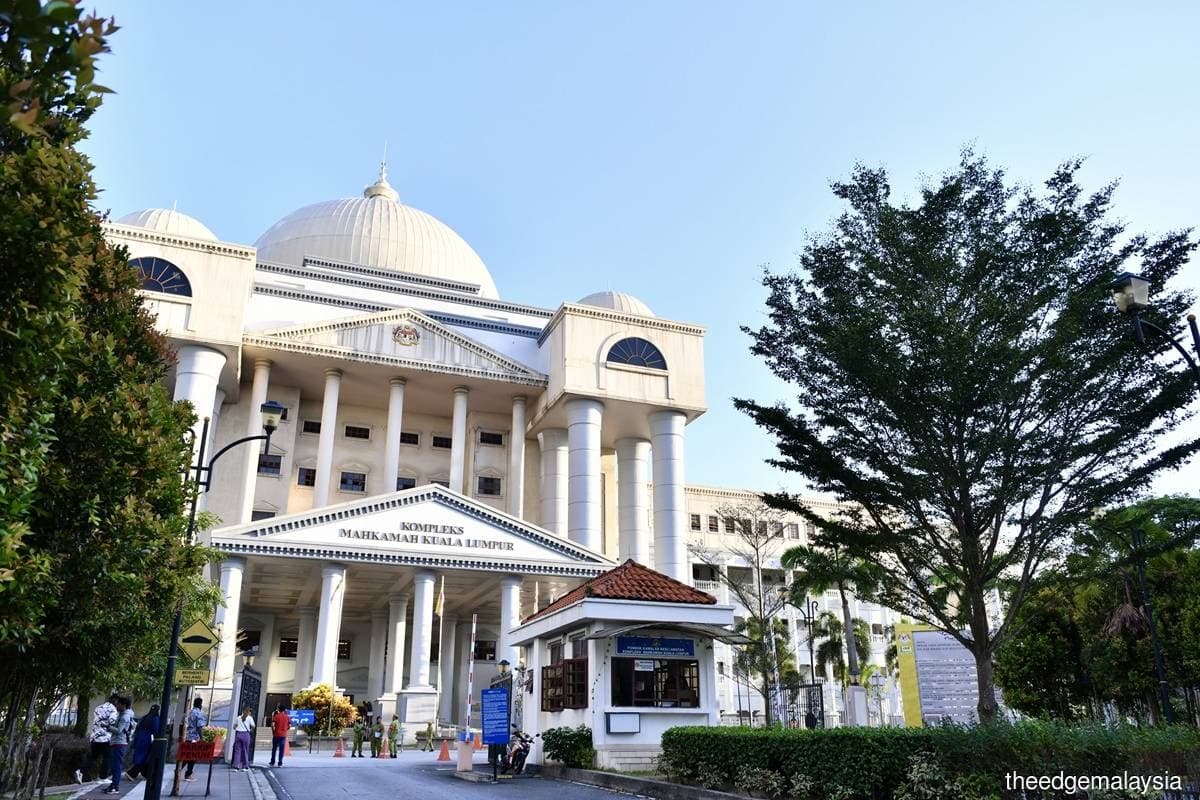
KUALA LUMPUR (Oct 30): The High Court has ordered Telegram to shut down and block access to two channels on its platform — Edisi Siasat and Edisi Khas — until the disposal of an appeal by the Malaysian Communications and Multimedia Commission (MCMC) at the Court of Appeal.
The order was made under an Erinford injunction that judge Mahazan Mat Taib granted, which the MCMC sought for as part of its ongoing lawsuit against the three over the channels' alleged dissemination of hate speech and false, misleading content against Malaysia's royal institution and public bodies.
The injunction prohibits all three defendants from writing, publishing, or sharing further articles containing the disputed content. Telegram has also been ordered to block access not only to the "harmful channels", but also any mirror sites, new links, or similar channels, until the disposal of MCMC's appeal of an earlier refusal by the High Court to grant a broader mandatory injunction, pending the disposal of its lawsuit.
Mahazan, in granting the Erinford injunction — typically granted to preserve the status quo and usually put in place while a court decision is being appealed — said the defendants must close the channels and stop any further sharing of the alleged harmful content.
"I find that the balance of convenience lies firmly in favour of the plaintiff [MCMC]. On the issue of the appeal not being rendered immediately, if the injunction is refused, the appeal risks being rendered nugatory as the harmful channels may multiply, migrate or become irreparable,” Mahazan said during proceedings on Thursday.
She added that the defendants should comply because the burden of following the order is minimal compared to the "irreparable harm" the content could cause.
“The court finds that any hardship to the defendants in maintaining closure of the channels is minimal when weighed against the irreparable and continuing harm to regional institutions, public confidence and societal harmony that would ensue if the harmful content were allowed to persist,” she added.
Mahazan had previously issued a less-restrictive prohibitory injunction against the defendants. This was when MCMC counsel Datuk Sankara Nair sought for a more forceful mandatory injunction, which the court had rejected for fear it might force Telegram to censor itself.
That prohibitory order, issued in September, did not require the removal of the original articles, but only commanded the defendants not to "write, publish or share further articles containing the disputed content" until the lawsuit's final outcome.
The judge's disappointment with Telegram
On Thursday, Mahazan also expressed her disappointment with Telegram’s narrow compliance with her earlier, prohibitory order.
“I must observe that the third defendant's conduct in reopening or maintaining access to the appeal channels and continuing similar applications immediately after this court's inter-parties decision demonstrates a troubling attitude of technical compliance without substantive regard to the spirit and purpose of the court's earlier order,” she said.
She said her earlier injunction, "which restrained the defendants from uttering, writing, broadcasting or republishing harmful contents of the same or with similar nature, was planted precisely to curb the dissemination of the identified and injurious material".
But Telegram's "narrow construction of that order, treating it as limited only to the specifically identified contents", invariably reflects an attempt to exploit procedural requisition to circumvent substantive justice, Mahazan said.
Following the decision, the defendants' lawyer, Datuk Dr Abdul Shukor Ahmad, requested for a stay of closure order, which the judge denied.
The MCMC complaint
The MCMC filed its lawsuit against Telegram and the two channels in May, alleging that the channels have, since February 2024, been spreading hate speech targeting Malaysia’s royal institution and public bodies. The channels were accused of sharing content that violates the Communications and Multimedia Act 1998, which the MCMC claims could damage public trust and disrupt order.
The commission alleged that the two channels were spreading false and misleading information as part of a campaign involving hate speech against Malaysia’s royal family and public institutions. Such content, the MCMC said, was causing public unrest, harming trust in the government, and damaging social unity. The channels were also accused of misusing the network by sharing offensive and annoying messages.
Subsequently, the MCMC sought for a court order in June to stop the harmful content from being shared again, as it noted Telegram had failed to remove the harmful content despite repeated reports and efforts to work with them to resolve the issue.
This was the first time such an action had been taken against a social media platform provider, especially one that is a licensed service provider like Telegram. The MCMC claimed the legal action was necessary to protect public interest.