

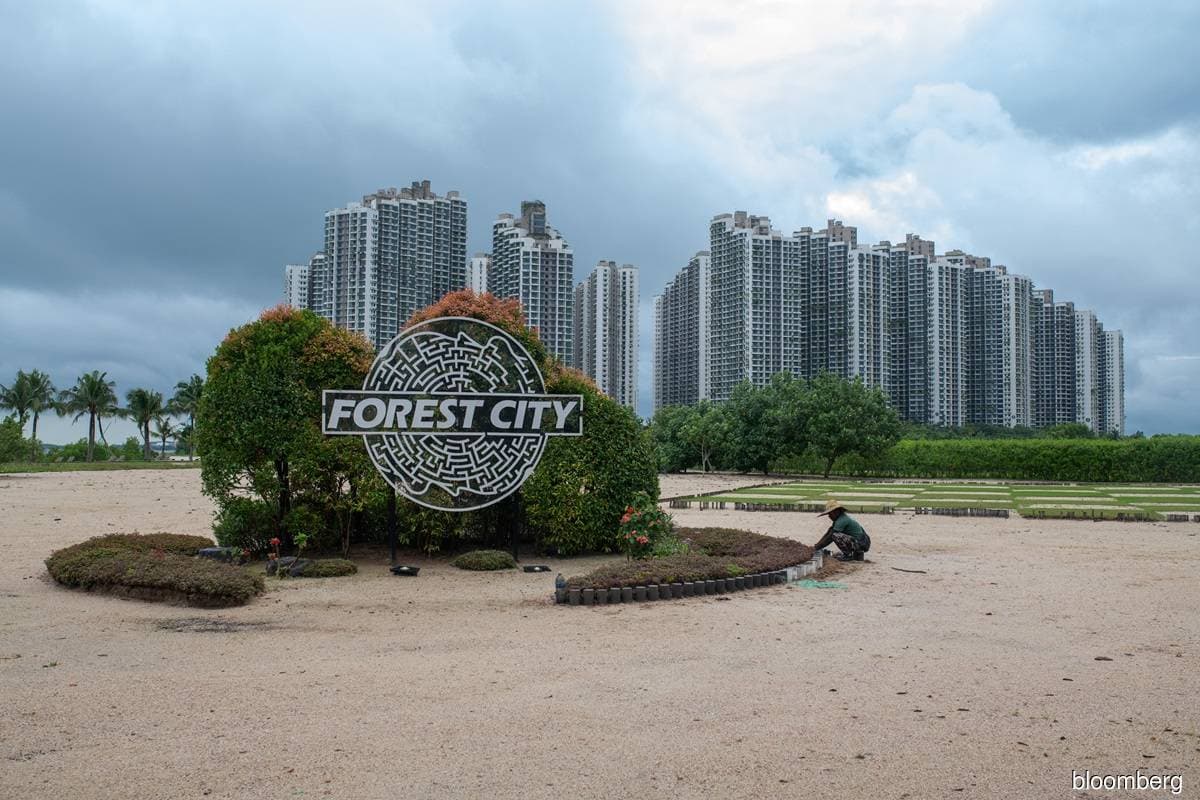
On Oct 3, Malaysia gazetted the tax and exemption orders for the Forest City Single Family Office (SFO) scheme, alongside incentives for other sectors within the Forest City Special Financial Zone. Days later, on Oct 6, the Securities Commission Malaysia (SC) held a media conference to unveil its vision for Forest City as a new frontier for family wealth structuring.
At the media conference, SC reported strong early interest in the Forest City SFO scheme and announced a target of RM2 billion in assets under management (AUM) by the end of 2026. This figure represents a meaningful foundation for ecosystem development, especially considering the scheme’s infancy and the bespoke nature of single family offices. It is a signal that Malaysia is not chasing volume, but rather quality and strategic alignment with national goals.
These developments mark more than a regulatory milestone — they represent a strategic invitation for ultra-high-net-worth (UHNW) families to rethink how they intend to host, manage and grow their family wealth.
Beyond capital attraction — A nation-building instrument
For decades, Malaysian UHNW families have looked abroad — to Singapore, Hong Kong and various European jurisdictions — for wealth structuring solutions. These destinations have long been the default choices, offering sophistication and global connectivity, but often come with trade-offs such as long distance, limited direct access to professionals and advisors, time zone misalignment, higher operational expenses and complex regulatory friction.
With Forest City in Johor Bahru, Malaysia now offers a fully local and strategically aligned alternative — one that is not only competitive, but also deeply rooted in Malaysia’s long-term economic interests, there is now a new option.
The Forest City SFO scheme is designed to do more than attract capital. It is a nation-building instrument that aims to stem capital flight and encourage Malaysian families to adopt domestic structures. By doing so, families can mitigate potential issues arising from the use of foreign entities —such as complications with operating licences, regulatory scrutiny, and queries from lenders and business partners. It provides a framework to anchor succession planning within national borders, to formalsze governance structures for generational continuity, and to trigger domestic investment into sectors that need capital and leadership. It is a timely call to action for families to realign their structures with Malaysia’s evolving fiscal and economic landscape.
For families actively trading assets and generating taxable gains, the scheme offers a compliant and efficient way to consolidate holdings under a single structure, while enjoying a 0% tax rate on eligible investment income. Those managing substantial portfolios of shares, funds and financial market products now have a clear pathway to structure them with clarity. Families earning income from deposits, bonds, or other interest-bearing instruments will find the 0% tax rate particularly attractive. And for those planning for succession and intergenerational wealth transfers, the exemptions from stamp duty and capital gains tax make this an opportune moment to move assets into a long-term structure.
From legacy preservation to transgenerational leadership development
The scheme is not merely a fiscal tool — it is a strategic enabler of governance and stewardship. It allows families to establish written investment policies, governance frameworks and intergenerational mandates that reflect their values and long-term goals. As Malaysia’s tax landscape becomes more complex — with new rules on foreign-sourced income, capital gains tax and changing international tax landscape — the Forest City SFO scheme offers a clean slate to plan ahead.
Importantly, it also encourages families to move from informal, fragmented arrangements to formalised governance. Many family structures today often rely on offshore trusts or layering that are poorly understood by local regulators. These structures can lead to delays, confusion and repeatedly educating authorities on their legitimacy and ultimate beneficial ownership. The Forest City framework provides the right timing and regulatory support to consolidate assets, craft relevant documentation, appoint professional managers and delegate investment authority with clarity, thereby shifting the mindset and attention from preserving wealth to cultivating leadership across generations.
Catalysing sustainable and purpose-driven investment
The SFO scheme also opens doors for ESG-aligned investing and philanthropy. With preferential tax treatment, families can allocate capital to waqf initiatives, charitable foundations and impact ventures without friction.
Investments into promoted sectors — such as sustainability, education and Islamic finance — are incentivised through a multiplier effect in AUM calculations, encouraging families to align their wealth with national development goals.
A strategic gateway in Southeast Asia
Forest City’s proximity to Singapore adds another layer of strategic value. Families gain access to both Malaysia’s and Singapore’s financial ecosystems while operating from a jurisdiction with significantly lower costs and regulatory thresholds. The minimum AUM requirement of RM30 million is far more accessible than Singapore’s S$20 million (RM65 million) entry threshold. Real estate acquisitions are simpler, with no foreign ownership complications. Licensing and approvals are streamlined, and Malaysian-owned structures avoid the dilution concerns that often arise with foreign entities.
For Malaysian families, Forest City is not just a viable option — it may be strategically superior. It allows them to host their businesses and assets within Malaysia, avoiding the need to explain foreign structures that are ultimately Malaysian owned to fulfil local operating license and ownership requirements. This aligns with national interests and supports long-term economic resilience.
Beyond Malaysian families, Malaysia is also becoming increasingly attractive to foreign UHNWIs, particularly from China, Taiwan, and the Middle East. The country offers affordable asset classes across real estate, private equity, and agriculture. It presents emerging market upside, supported by political stability and demographic growth. Its strategic location provides access to Asean markets and Islamic finance infrastructure and banking networks. Forest City, with its cost-effective base and regulatory clarity, is a rare proposition in today’s wealth migration landscape.
The SFO scheme is also a catalyst for talent and ecosystem development. Fund managers, legal experts and ESG consultants are beginning to take notice, drawn by the opportunity to serve a growing base of family offices. This privilege is no longer unique to developed economies in the region. Forest City is emerging as a training ground for next-generation professionals, offering exposure to family governance, investment strategy and legacy planning.
Addressing challenges through pragmatic regulation
Naturally, challenges remain. Foreign families require clarity on long-term residency, and the SC is working with immigration authorities to create dedicated visa tracks tied to family office investment. A structured permanent residency pathway for family members would further enhance Malaysia’s appeal.
Banking and foreign exchanges onboarding processes are improving, with banks establishing branches in Forest City to support client needs. Substance requirements — such as office setup, staffin, and local investment are being addressed through conditional approval kits and practical regulatory guidance.
What distinguishes Malaysia’s approach is the SC’s pragmatism and responsiveness. Rather than imposing rigid frameworks, the regulator has engaged with families, advisers and stakeholders to co-create a workable model. This consultative style helps build trust, credibility and momentum.
A homegrown platform for Malaysian families
Forest City is no longer just a property development project on the southern tip of Johor. It is a symbol of Malaysia’s readiness to curb capital flight and provide a homegrown solution tailored to the needs of both Malaysian families and for foreign investors. For those seeking a credible base in Southeast Asia, Forest City offers a compelling alternative to traditional hubs.
For families looking to repatriate assets, formalise governance, invest in Malaysia’s future and build enduring legacies, the Forest City SFO scheme is more than a policy initiative. It is a purposeful platform — one that empowers families to take control of their wealth journey with confidence, clarity and conviction.
Tai Lai Kok is partner, family business tax leader, while Elliot Chaw is director of family business services at KPMG Private Enterprise Malaysia.