

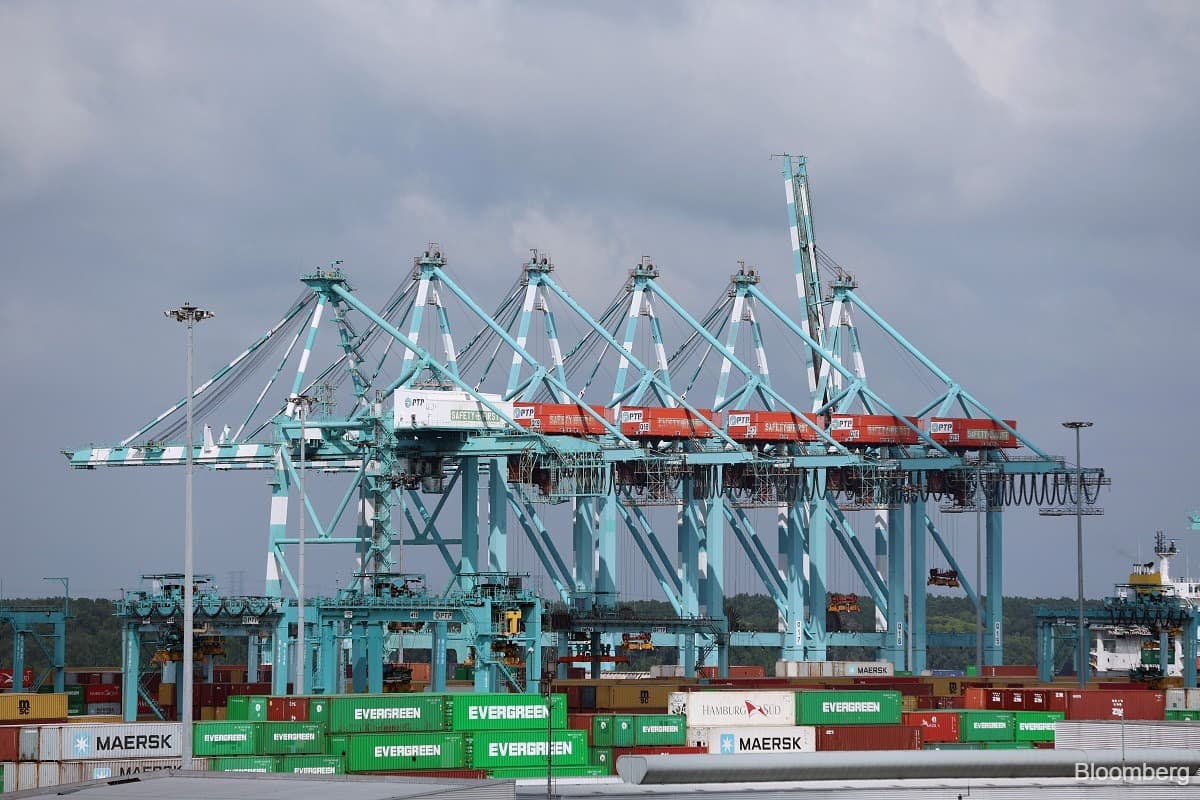
KUALA LUMPUR (Oct 10): Malaysia’s economy is expected to grow between 4% and 4.5% in 2026, supported by strong domestic demand, a healthy job market and government reforms, according to the Ministry of Finance’s (MOF) Economic Outlook 2026 report.
While global trade tensions and US tariffs may impact exports — especially in the electrical and electronics (E&E) sector — the government says the domestic economy remains resilient. Key policies and events like Visit Malaysia 2026 and the 2025 Asean chairmanship are also expected to boost growth.
The MOF warned that the full impact of US tariffs could be felt in 2026, especially if semiconductor tariff exemptions are removed. However, proactive measures, including new industrial strategies and market diversification, will help soften the blow and maintain Malaysia’s competitiveness.
Tariff risks to worsen in 2026, E&E sector at risk
While consumer spending remains strong, the report warned that external risks — especially US tariffs — may worsen in 2026.
Malaysia’s growth in the first half of 2025 slowed to 4.4% from 5% a year ago, mainly due to weaker exports. The MOF expects the full-year impact of US tariffs to hit in 2026, potentially reducing Malaysia’s export performance.
The E&E sector, which makes up about 40% of Malaysia’s exports, is most at risk. The US is Malaysia’s largest market for E&E, buying 20% of its exports. Malaysia also ranks sixth globally in semiconductor exports, contributing 7% to the global market.
Currently, US tariffs do not apply to semiconductors from Malaysia, but these exemptions may be lifted following national security reviews. If that happens, the MOF has warned that it could hurt competitiveness and disrupt Malaysia’s position in global tech supply chains.
Government’s strategy to manage tariff impact
To reduce these risks, the government plans to act quickly with several measures:
- The National Geoeconomic Command Centre (NGCC), led by the prime minister, was set up to respond to global trade disruptions.
- The National Semiconductor Strategy (NSS) and New Industrial Master Plan 2030 (NIMP 2030) aim to strengthen local industries.
- Small and medium enterprises are being supported to adapt to new trade environments.
The government believes Malaysia is still a strong investment destination due to its diverse economy and solid fundamentals. For example, the Johor-Singapore Special Economic Zone (JS-SEZ) is expected to attract companies looking for alternatives to China.
Expanding trade ties and reducing dependence
To reduce dependence on traditional partners, Malaysia is diversifying its export markets, focusing on high-growth regions like Asia, the Middle East, Africa and Latin America.
The country is also using its existing free trade agreements, such as the Comprehensive and Progressive Agreement for Trans-Pacific Partnership and the Regional Comprehensive Economic Partnership to improve market access.
The MOF concluded that while tariffs bring short-term challenges, Malaysia’s commitment to open trade, flexible policies and regional integration will help it weather global uncertainties and stay on track for long-term growth.