

Liew reiterated that the government has no plans to abolish excise duties on either locally assembled or imported vehicles but did not provide any update on the policy’s exemption status on electric vehicles.
KUALA LUMPUR (Oct 7): The Malaysian government is expected to unveil the outcome of the ongoing review of the National Automotive Policy 2020 (NAP 2020) by the end of this year, said Deputy Minister of Investment, Trade and Industry Liew Chin Tong.
The review — led by the Council of Automotive Eminent Persons (CAEP) — will address the structural challenges in Malaysia’s automotive ecosystem, particularly the transition from internal combustion engine (ICE) vehicles to electric vehicles (EVs), as well as rising competition from lower-priced imports from China.
“The CAEP has been tasked to review the national automotive policy, and the outcome of the review will be announced by the end of this year,” Liew said during the oral question-and-answer session in the Dewan Rakyat on Tuesday (Oct 7).
Liew hinted that future policies under the revised NAP will shift focus from propulsion technology to energy efficiency standards, ensuring that vehicles — whether fully electric, hybrid or range-extended — achieve lower fuel consumption and emissions.
“EV technology has advanced significantly over the past three years. We now see range-extended vehicles and hybrid EVs using both batteries and petrol. From a policy standpoint, our focus is on energy efficiency, not the propulsion type,” he said.
NAP 2020 is a 10-year roadmap that seeks to position Malaysia as a regional hub for automotive manufacturing, R&D, and sustainable mobility technologies. The ongoing review is expected to recalibrate the policy’s targets amid rapid global adoption of electrified transport.
It is led by CAEP, which is chaired by the Minister of Investment, Trade and Industry Tengku Datuk Seri Zafrul Tengku Abdul Aziz. The 18-member CAEP comprises experts ranging from the automotive to petroleum sectors, alongside policymakers and regulators.
Industry leaders on the council include Sime Darby Bhd (KL:SIME) group chief executive officer Datuk Jeffri Salim Davidson and former Petronas president and group CEO Tan Sri Wan Zulkiflee Wan Ariffin.
No plan to abolish vehicle excise duties
On Tuesday, Liew reiterated that the government has no plans to abolish excise duties on either locally assembled or imported vehicles but did not provide any update on the policy's exemption status on electric vehicle (EV) car production.
Liew said this when answering questions from Abdul Latiff Abdul Rahman (PN–Kuala Krai), who had asked about the impact of the new 2025 tax structure on local vehicle prices and whether the government would consider abolishing excise duties on locally assembled and CKD vehicles to ease consumer burdens.
Currently, fully imported (CBU) EVs enjoy import and excise duty exemptions until Dec 31, 2025, while locally assembled (CKD) EVs are exempted until Dec 31, 2027. Since its first introduction, Malaysia has seen a sharp rise in EV adoption boosted by Chinese carmakers.
According to various economic reports, the government is expected to revisit EV-related tax structures in Budget 2026, which will be tabled on Friday, to ensure Malaysia’s EV ecosystem remains competitive amid intensifying regional competition.
Over the past three years, Malaysia’s EV sector has grown rapidly, fuelled by fiscal incentives, infrastructure rollouts, and foreign automaker participation.
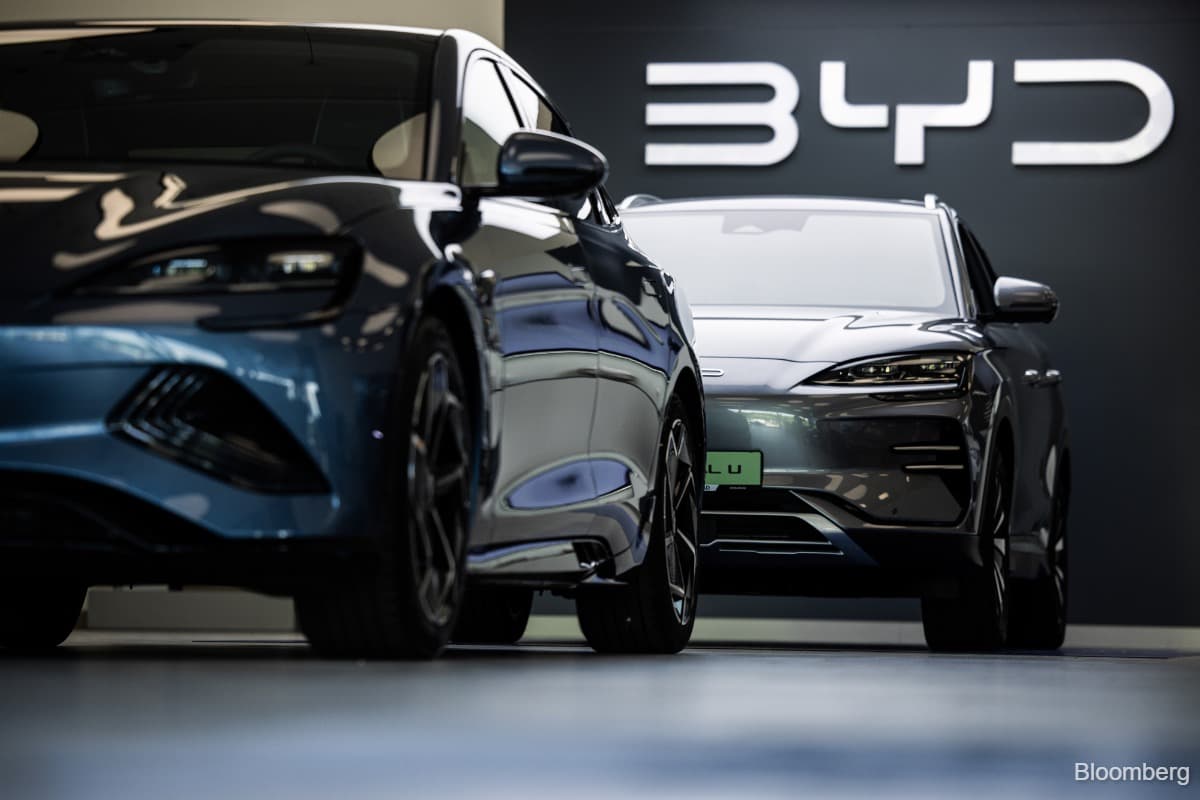
Chinese carmakers — including Chery, BYD, Great Wall Motor (GWM), and GAC — have expanded aggressively in Malaysia since 2022, leveraging oversupply in China and softening domestic demand to penetrate Southeast Asian markets.