

"If directors faced personal liability for every business decision that ultimately proved unsuccessful, qualified individuals would be deterred from serving on company boards and those who did serve would adopt excessively conservative approaches that could stifle business growth and innovation.” — COA judge Datuk Ahmad Fairuz Zainol Abidin.
KUALA LUMPUR (Oct 1): Company directors who act "honestly, with reasonable care and in good faith" are entitled to be protected from liability — even if their business decisions are unsuccessful, the appellate court had affirmed.
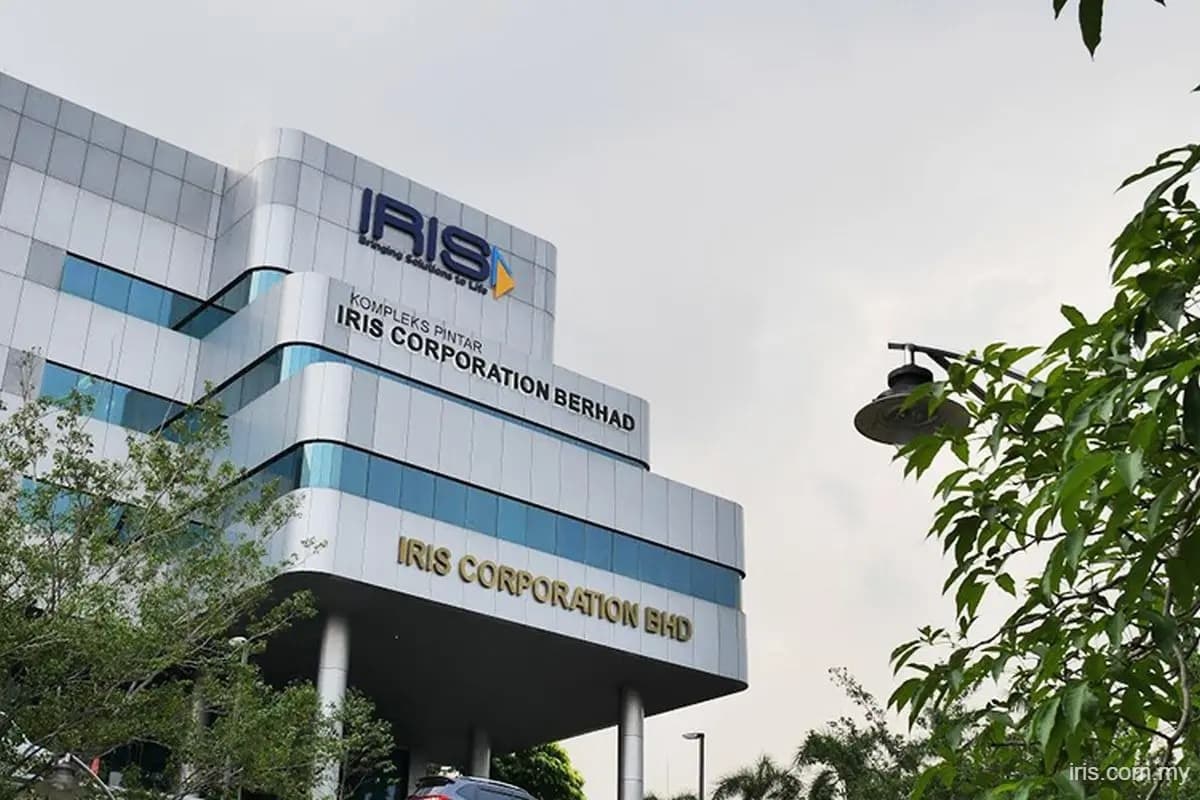
A three-member Court of Appeal (COA) panel said this in dismissing Iris Corp Bhd's appeal against its former chairman and board members over losses incurred in relation to the share subscription of a United Kingdom-based company, Border Control Solutions Ltd (BCS), for £2.05 million (RM11.72 million) in 2016.
"The business judgment rule serves important policy objectives in encouraging competent individuals to serve as directors and in promoting legitimate business risk-taking.
"If directors faced personal liability for every business decision that ultimately proved unsuccessful, qualified individuals would be deterred from serving on company boards and those who did serve would adopt excessively conservative approaches that could stifle business growth and innovation," COA judge Datuk Ahmad Fairuz Zainol Abidin said in the 55-page grounds of judgement released on Tuesday.
The judge was referring to Section 214 of the Companies Act 2016 which outlines the "Business Judgement Rule".
Directors are deemed to have fulfilled their duties if they:
- Act in good faith;
- Have no material personal interest;
- Are adequately informed; and
- Reasonably believe the decision was in the company's best interest.
Ahmad Fairuz added that the test to be fulfilled is the directors’ reasonable belief at the time it (the board) made its decision and not subsequent events that "vindicate" their decisions.
"The ultimate failure of the BCS Investment does not retrospectively invalidate the reasonableness of the [former director's] belief in February 2016," the judge said.
He added that the court cannot judge the board's decision regarding the investment on account of "post-factor" information (with the benefit of hindsight). It can only judge the board based on the decision it made with the knowledge it had at hand at the time.
Iris Corp Bhd, a firm that has over three decades’ experience in the identification technology field, was the inventor of the world's first electronic passport and multi-application electronic identification system.
Through BCS Investment, Iris Corp had an opportunity to join the privatisation of the United Kingdom Border Force, which required "sophisticated, trusted identification technology" for immigration purposes. It paid about RM11.7 million to BCS and its sole shareholder, Joseph Vijay Kumar.
According to the background of the case as written in the judgement, concerns arose regarding the viability of the investment in October 2016. Following this, the company's board decided to withdraw from the investment. The company tried to get a refund but to no avail.
BCS was subsequently issued a winding-up order by the UK High Court in January 2018.
Iris then filed the legal action against nine of its former directors in April 2019 to recoup the sum of the doomed investment.
Independent assessment doesn't have to be comprehensive, directors’ substantial knowledge enough
In his judgement, Ahmad Fairuz also added that, according to the law, an independent assessment of the investment does not mean "that it be comprehensive or conducted from a position of scepticism".
"[The former directors] possessed substantial knowledge and experience relevant to the BCS investment. Most had served on the board for many years and had accumulated considerable understanding of the appellant's business operations and strategic direction.
"This background knowledge enabled them to place the information presented on Feb 23, 2016, in proper context and constituted the independent assessment required by law," he said.
Ahmad Fairuz sat on the panel together with judge Choo Kah Sing and panel leader P Ravinthran. On Sept 8, the panel had upheld the High Court's August 2022 decision, which had dismissed Iris Corp's claims against all nine former directors for alleged breaches of the directors' duties.
They held that the High Court's decision was legally sound and supported by the evidence before it.
The nine former directors were former chairmen Tan Sri Razali Ismail and Datuk Nik Azman Mohd Zain, former group managing director and CEO Datuk Tan Say Jim, Tunku Datuk Seri Shahabuddin Tunku Besar Burhanuddin, Datuk Hamdan Mohd Hassan, Datuk Eow Kwan Hoong, Syed Abdullah Syed Abd Kadir, Datuk Noor Ehsanuddin Mohd Harun Narrashid and Chan Feoi Chun.