

This article first appeared in The Edge Malaysia Weekly on September 29, 2025 - October 5, 2025
Malaysia has committed to a long-term vision for clean energy, setting ambitious targets under its National Energy Transition Roadmap (NETR). Yet, behind the optimism lies a web of technical, economic and policy challenges, particularly in the area of energy variability and in the inherent instability that comes with renewables such as solar, hydropower and wind.
This issue is not unique to Malaysia. Every country is grappling with the fact that renewable energy (RE) sources are abundant but unpredictable, requiring new technologies and smarter systems to smooth out fluctuations in supply and demand.
Warit Rattanachuen, assistant governor of the Electricity Generating Authority of Thailand (EGAT), tells ESG that when it comes to adding RE to the grid, the challenge is that there is no one-size-fits-all approach; the technology and solutions have to be adapted to the region. He was speaking to ESG at the third Asean Battery Technology Conference held in Phuket, Thailand, in August.
Warit says for Malaysia, the road ahead requires not just solar farms and hydropower dams, but a mix of solutions.
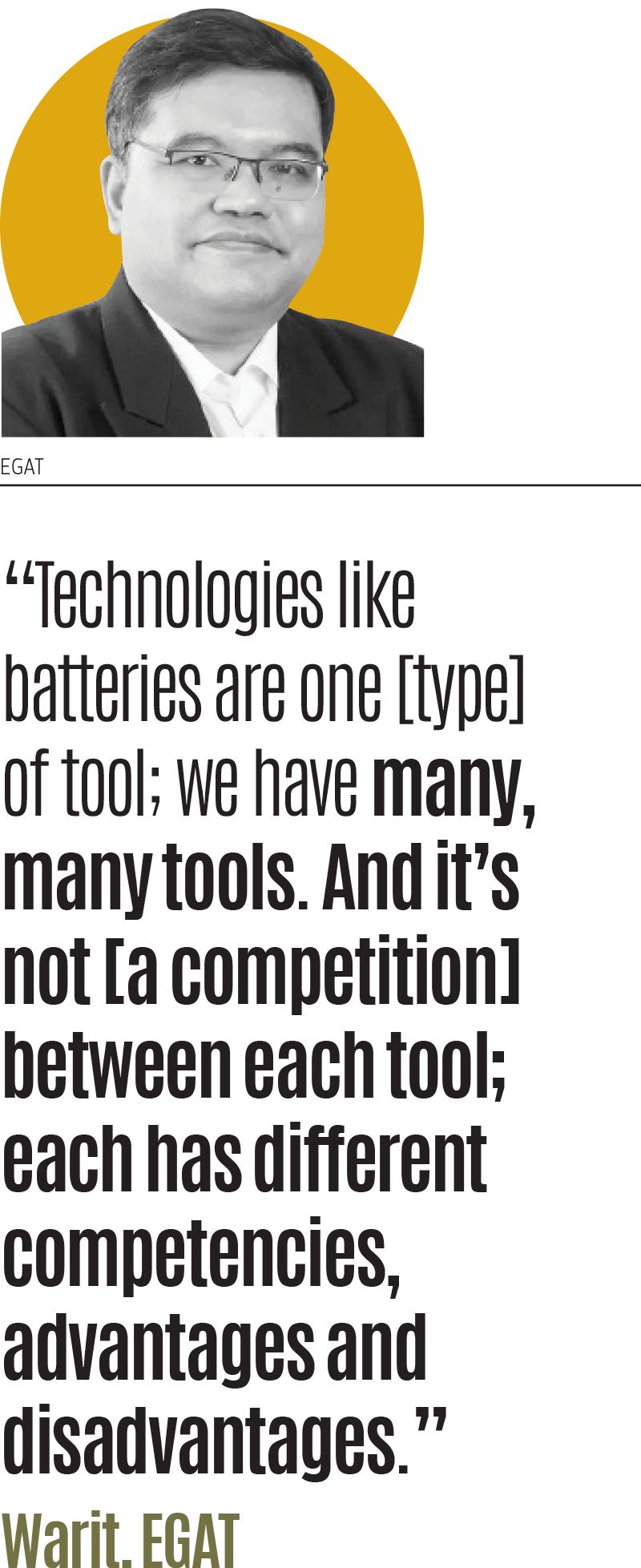
“Technologies like batteries are one [type] of tool; we have many, many tools. And it’s not [a competition] between each tool; each has different competencies, advantages and disadvantages,” Warit says.
Battery storage a game changer
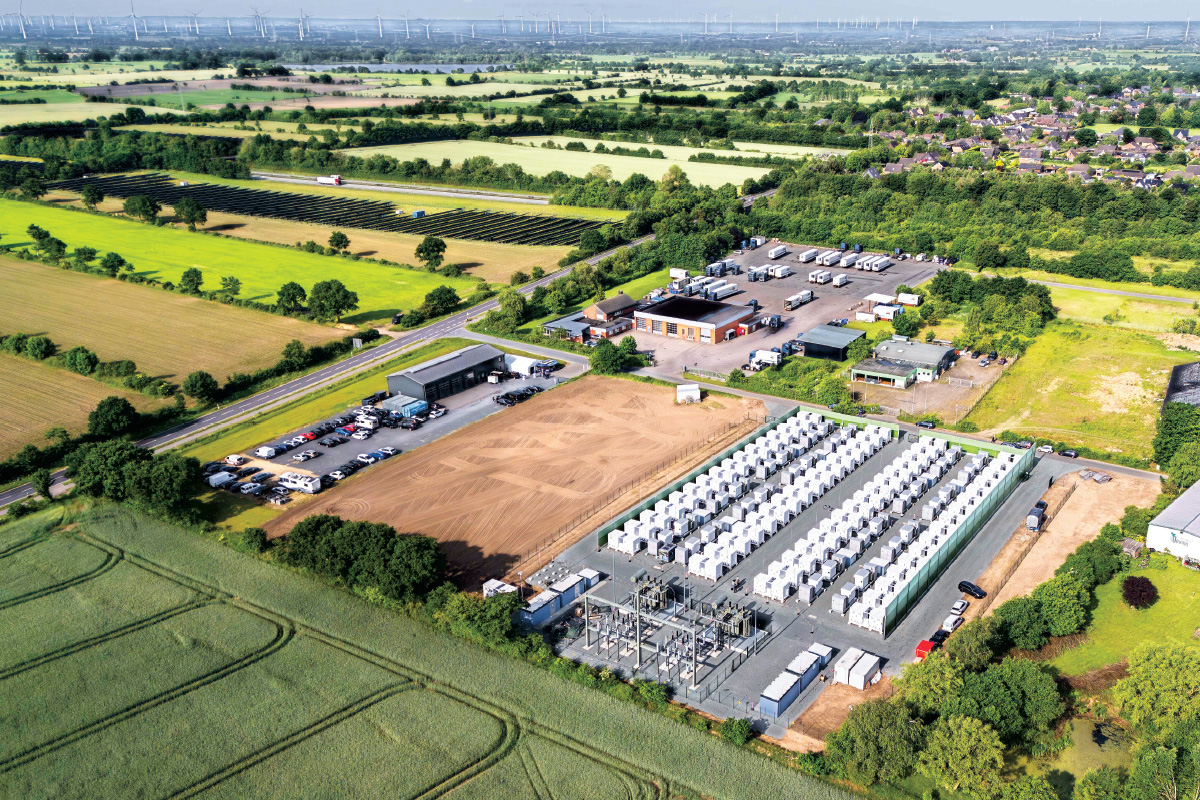
One of the main tools in the energy transition is battery energy storage systems (BESS), which can store excess solar energy collected in the day to be used as a backup at night or on cloudy days, and to prevent blackouts. This is an area that has attracted global investment but also raised environmental concerns.
Shirley Meng, professor at the University of Chicago and chief scientist for energy storage science at the Argonne National Laboratory in the US, points to the importance of solar battery systems for countries like Malaysia.
To her, the deployment of solar battery storage systems to lower energy costs and improve grid resilience is the biggest low-hanging fruit in countries like Malaysia, which have already invested a lot in solar energy.
“My research field is in battery chemistries. To me, the global trend is very clear: The quickest and most economic deployment is solar battery combined [with solar panels],” says Meng, who was also at the conference.
In accordance with the NETR, Malaysia is aiming for 70% of its energy mix to come from renewables by 2050, with 58% from solar alone.
She explains that such systems can lower energy costs, improve grid resilience and offer a clear pathway to greater RE adoption. But the public perception of batteries has been mixed, thanks to questions about their lifecycle and environmental impact.
While she disagrees with these criticisms, she admits that solar players are partly to blame for this perception.
“We did not track the carbon footprint of the manufacturing or processing [of batteries]. And then [aspects] of the battery industry, particularly recycling efforts, were not well developed and not communicated clearly to the public,” she says.
Meng adds that because of this, there was a lot of misinformation about the impact of batteries on the environment.
She stresses that while batteries themselves are not renewable, as the minerals used need to be mined and the manufacturing process emits carbon, they can contribute to a greener future in the long run, especially when recycling technology matures.
Meng believes that lithium-ion batteries can and will be 100% recyclable in the near future, so companies and governments need to seriously consider recycling batteries instead of dumping them in landfills.
Keeping these materials and mined elements in circulation and recycling rare earth metals used in batteries are what she considers to be the “high-hanging fruit” in the battery space. These are the long-term goals that need to be achieved for BESS to be a success.
One of the main ways to achieve this is through “battery passports” that record the entire lifecycle of each battery unit, from mining to manufacturing, recycling and emissions.
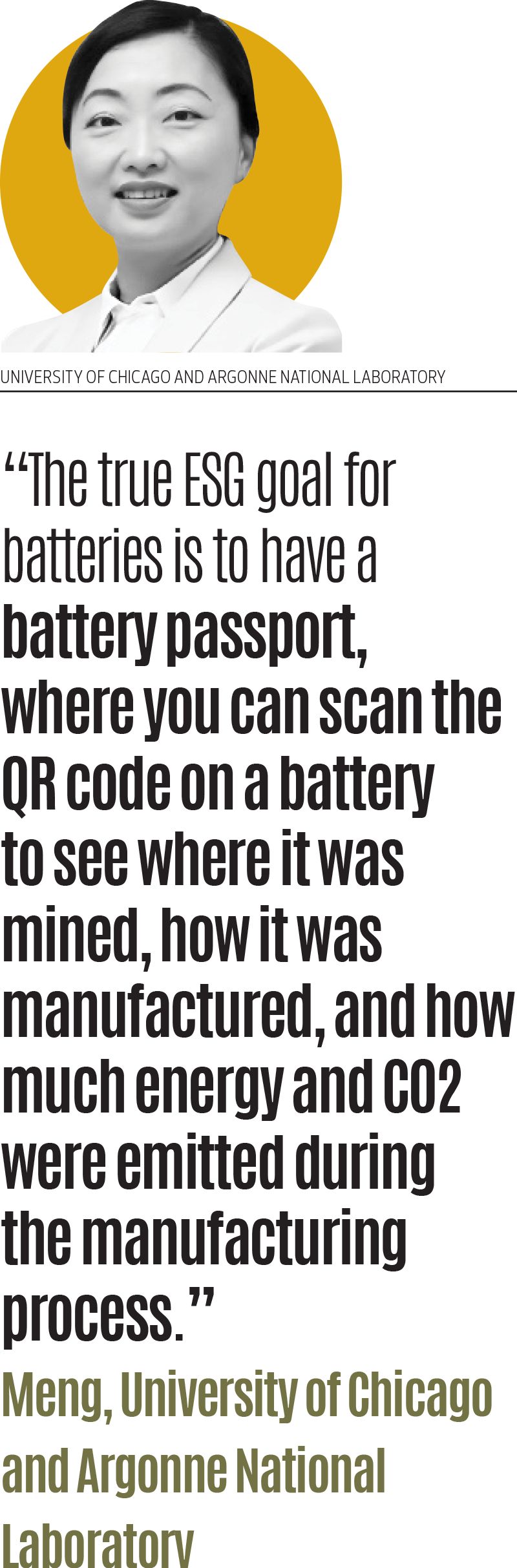
“The true ESG goal for batteries is to have a battery passport, where you can scan the QR code on a battery to see where it was mined, how it was manufactured, and how much energy and CO2 were emitted during the manufacturing process,” Meng says.
But reaching this future requires more than technology. Governments must step in to provide proper incentives and mandates, she adds, as people will not recycle batteries out of goodwill.
“If most people think that [meeting] ESG goals means losing money, then no company is ever going to want to do it. So, we must demonstrate a pathway where sustainability leads to more profitability and economic growth. I think this [has not been] done yet.”
The widespread recycling of lead-acid batteries shows that it is possible to do the same for lithium-ion batteries, observes Meng.
Costs versus belief
Even if the technological pathway is clear, questions of cost and conviction remain.
Rezal Khairi Ahmad, CEO of NanoMalaysia Bhd, says Malaysia already has the capital and resources to build a battery ecosystem.The country can recycle spent batteries to obtain more nickel, cobalt and lithium. It has the financial institutions and infrastructure to get the capital it needs. What the country lacks is belief and foresight to turn this megatrend into reality.
Meng agrees, stressing that government policy and support must reflect this. She points to China and how successful the country has been in battery manufacturing and adoption.
An underappreciated aspect, she says, is how much the government has supported BESS, convincing businesses to change their business model.
For countries like Malaysia to achieve this, policy clarity is essential, she says. This means that Malaysia must ensure that sustainability targets and goalposts do not constantly move. In addition, the pathways to achieve them must be clear and concise.
“[The government has] to set the target; a moving target is not good. [For example,] this year, you say we’re going to hit 50%, and then next year, you say 100% by 2030. And then [the following] year, a politician comes in and says we’re going to achieve 30% in 2050. [If this is the case,] things will never be executed,” says Meng.
Professor Yet-Ming Chiang from the US’ Massachusetts Institute of Technology adds another layer to the discussion. In the US, grid stability is discussed in terms of “long-duration storage”, particularly for regions with seasonal weather cycles.
While Malaysia’s equatorial climate reduces this variability, the broader lesson remains: Policy must follow technical and economic feasibility, not the other way around.
“If you show that something is technically possible and economically attractive, then you pave the way for policy. Policymakers don’t last very long if they try to force people to adopt things that are not possible,” says Chiang.
While Chiang is optimistic about the future of the technology, he stresses that broad ideas will do little to change minds. The technology must be there, and in this respect, things seem to be looking up.
He notes that breakthroughs like the increasing viability of sodium-ion batteries — thanks to the availability of sodium and smaller likelihood of spontaneous combustion, compared with lithium — helps.
However, the technology is still too new to gauge the extent to which it can compete with lithium-ion batteries. And that is the biggest challenge of all when it comes to achieving such “high-hanging fruit” in energy variability. While there is potential, the technologies to achieve them are still under development, he says.
Localisation of industries and energy
Even if Malaysia is able to beat the barriers in the recycling of lithium-ion batteries, another challenge that must be overcome is securing the country’s own tech sovereignty.
Rezal Khairi Ahmad, CEO of NanoMalaysia Bhd, notes that since Malaysia is already investing heavily in the electric vehicle (EV) industry and solar infrastructure, the building blocks to achieve tech sovereignty are already there.
He explains that the opening of the EV industry, for example, can generate market interest in battery production, which in turn translates into demand for local battery manufacturing.
“Getting all those cars coming in to create a positive market — that would generate some level of interest for us to manufacture EVs locally and translate that potential into battery manufacturing for the country because localisation is key.”
Rezal is spearheading an initiative called Gigafactory Malaysia that is designed to foster homegrown battery production. The idea is simple but ambitious: to create a self-sufficient ecosystem.
“Otherwise, [the next generation] will curse us. Therefore, my initiative here is to create a sustainable agenda for battery technology. Local technology of mini batteries produced by Malaysians, made for Malaysia. When that is achieved, we can go regional,” says Rezal.
Localisation has both economic and security dimensions. Batteries are hazardous to transport and prone to combustion due to their lithium content. Producing them locally reduces logistics risks. It also shields Malaysia from global supply disruptions, a lesson Rezal learnt during the Covid-19 pandemic.
Back in 2020, he tried to purchase industrial batteries overseas, but was rejected by players in countries like the US and China. This made him realise how vulnerable Malaysia was if access to the batteries was cut off entirely one day.
For Rezal, achieving the localisation of technology is the high-hanging fruit in the energy variability space. But to reach this, the lower-hanging fruit, like growing an interest in batteries through EVs, is essential.
He cites the example of starting in smaller industries like electric scooters. Once a commercial fleet is established, interest in providing the batteries to power these scooters will rise, encouraging businesses to shift into locally produced batteries for these fleets. This could then be expanded into the passenger car segment and so on.
“The UK and the Europeans are quietly trying to reduce their dependency on Chinese batteries. So, you can start to see networks of gigafactories in the UK and Europe, despite China being able to sell those batteries at very cost-competitive prices. Security is much more important,” Rezal explains.
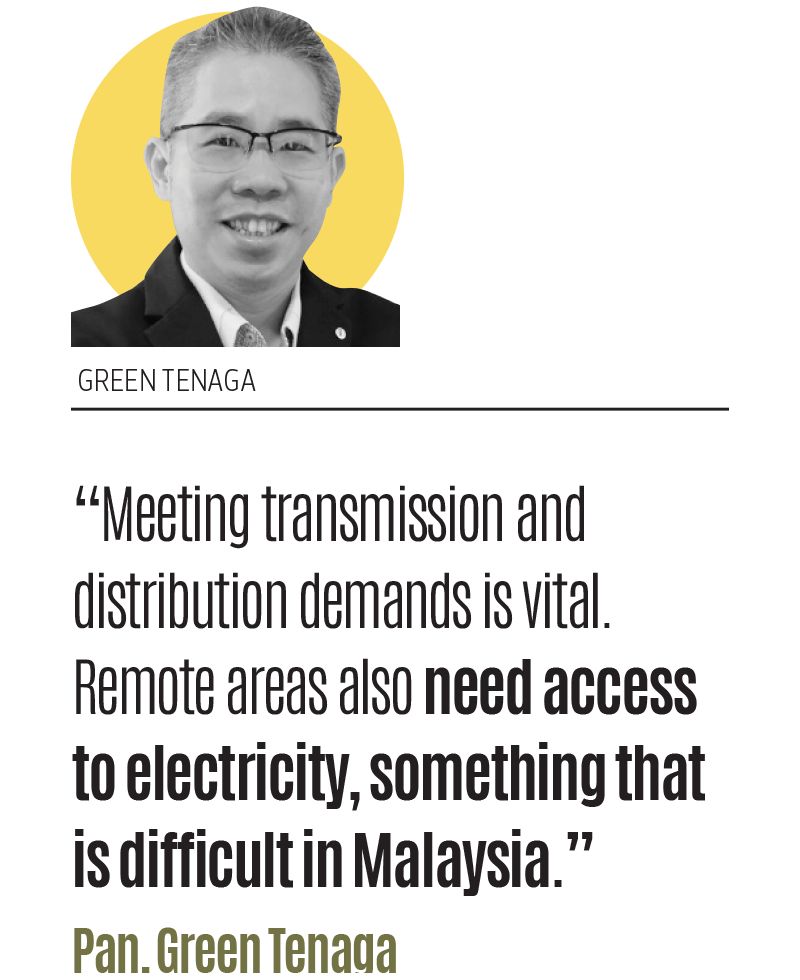
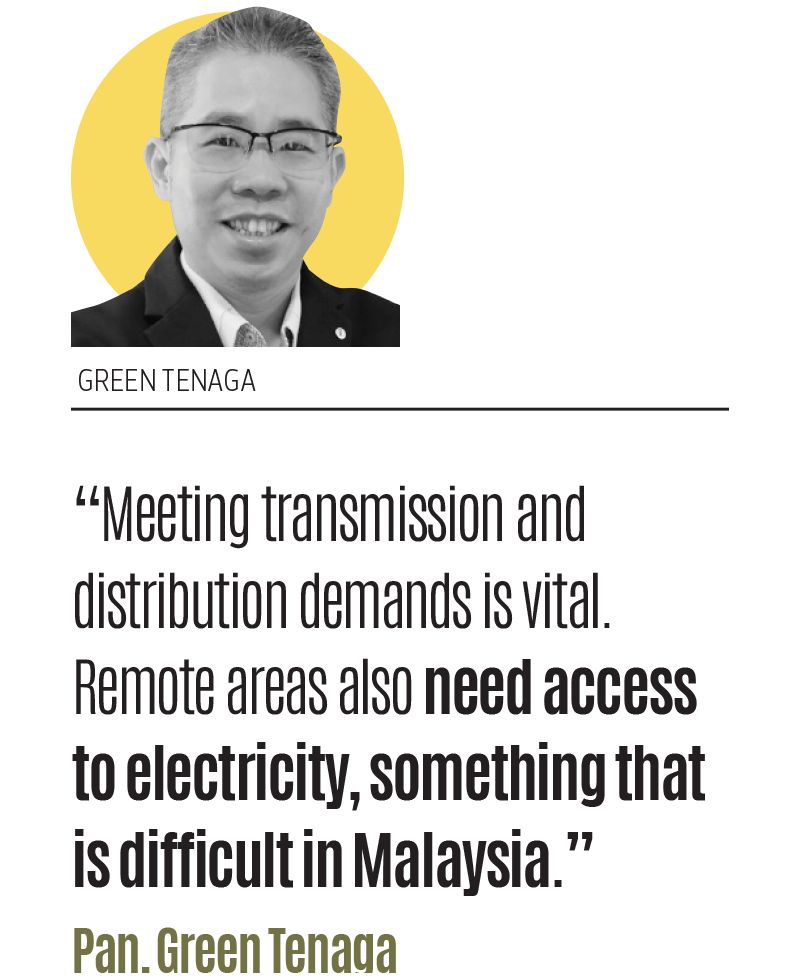
Alex Pan, commercial director of Green Tenaga Pte Ltd, sees decentralisation as equally important. “Meeting transmission and distribution demands is vital. Remote areas also need access to electricity, something that is difficult in Malaysia,” he says. Green Tenaga is a battery energy storage systems (BESS) provider in Singapore.
Pan says that, unlike China, which builds power lines to every village, Malaysia must weigh costs carefully.
This is where BESS can shine, providing reliable off-grid energy solutions. It may have a high initial investment, but decentralising power like this brings long-lasting benefits, he notes.
Yet regional deployment is not straightforward. The differing regulations across Asean markets slow down regional expansion plans, especially for smaller companies like Green Tenaga.
An example highlighted by Pan is that even if Singapore has comprehensive regulations for the provision of BESS solutions, the moment a company wants to move its business to a neighbouring country, regulations may be different or lacking, slowing down efforts and making the company more hesitant to make the investment.
“That’s something that is hindering small players like us from considering penetrating other Asean countries. But big Chinese players are not as concerned because resources are abundant to them. It’s not a level playing field,” says Pan.
Rezal says Malaysia is currently at a crossroads. It can continue down the path of quick wins, importing panels and batteries cheaply from China, or invest in the harder but more rewarding journey of building its own ecosystem.
Save by subscribing to us for your print and/or digital copy.
P/S: The Edge is also available on Apple's App Store and Android's Google Play.